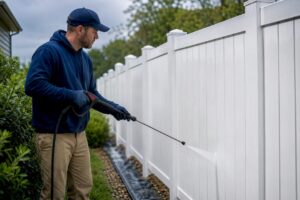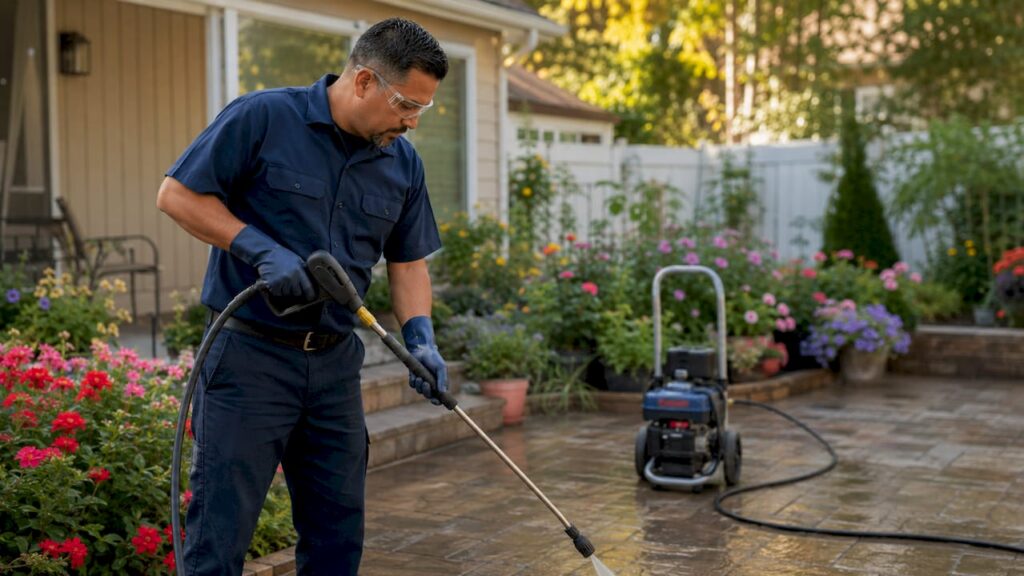
Home pressure washing is defined as a professional exterior cleaning method that combines soft washing and high-pressure techniques to remove dirt, mold, algae, and grime from residential surfaces. Understanding what home pressure washing includes helps you protect your siding, driveways, decks, and roof from long-term damage while keeping your property looking its best. The process is not one-size-fits-all. Each surface on your home requires a different pressure level, cleaning solution, and technique to get real results without causing harm.
What surfaces does home pressure washing cover?
A complete residential pressure washing service addresses far more than just your driveway. Professionals clean the full exterior envelope of your home, adjusting their approach for each surface type.
Common surfaces included in a standard service:
- Siding: Vinyl, wood, stucco, Hardie board, and painted brick all require different pressure settings. Vinyl tolerates moderate pressure, while stucco and wood need a gentler soft wash approach.
- Roof: Asphalt shingles are cleaned exclusively with soft washing to avoid stripping granules or voiding manufacturer warranties.
- Gutters: Exterior gutter faces collect black streaks from oxidation and organic runoff. These are cleaned with low-pressure chemical application.
- Driveways and sidewalks: Concrete and pavers handle higher pressure well. Surface cleaners with rotating nozzles produce even results without streaking.
- Decks and fences: Wood and composite decking need controlled pressure to open the grain for cleaning without splintering or warping.
- Soffits, fascia, and exterior lights: These are often skipped by homeowners doing DIY cleaning but collect significant mold and spider webs. Professionals include them in a thorough service.
Each area benefits from a tailored technique. Treating your brick the same way you treat your concrete is one of the fastest ways to cause expensive damage. A full residential pressure washing service accounts for every surface type before a single drop of water hits your home.
How do pressure washing and soft washing differ?
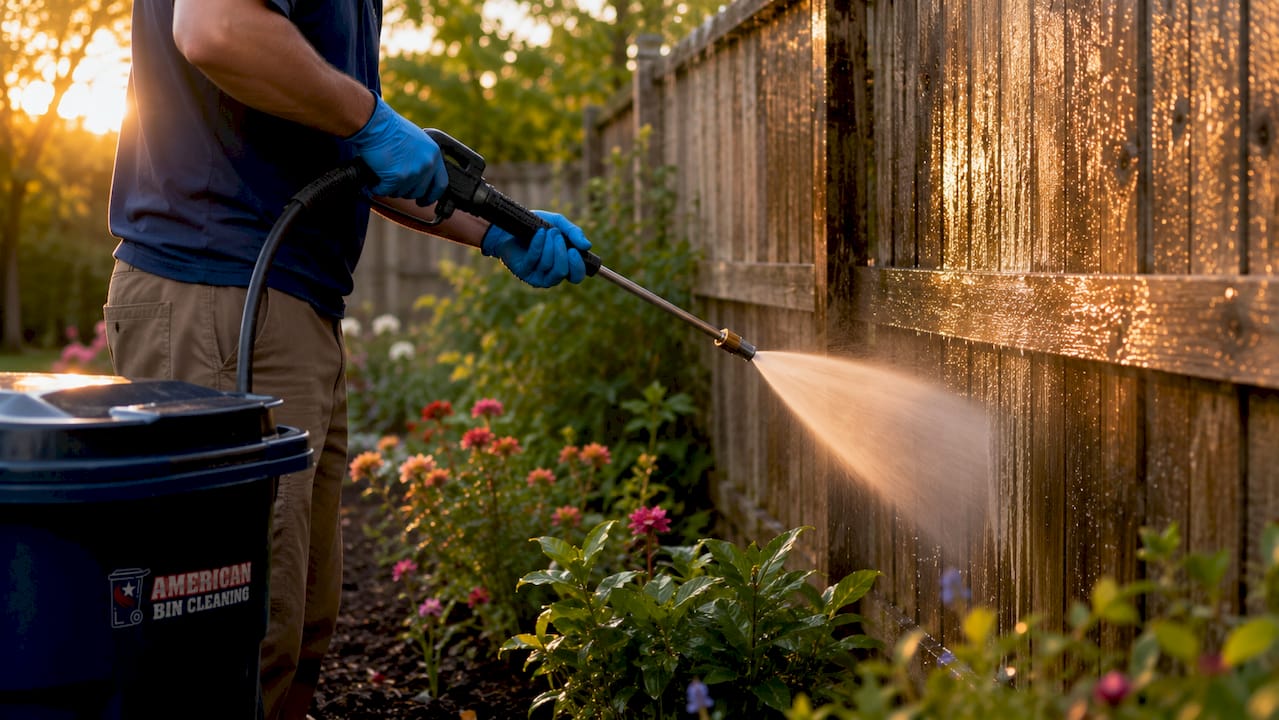
Pressure washing and soft washing are two distinct methods, and professionals use both on the same home. Knowing which method applies where is the difference between a clean house and a damaged one.
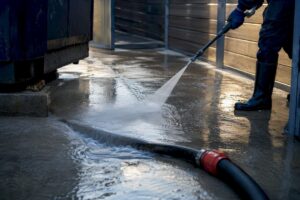
Pressure washing uses 2,000–4,000 PSI of water force to blast contaminants off hard, durable surfaces like concrete driveways, brick walkways, and pool decks. That level of force is effective on surfaces that can take the impact. On anything softer, it causes real harm.
Soft washing operates at under 500 PSI and relies on biodegradable cleaning solutions to do the heavy lifting. The chemistry breaks down algae, mold, and mildew at the cellular level rather than blasting them off the surface. This matters because soft washing keeps surfaces clean 2 to 3 times longer than water-only pressure washing. Pressure alone leaves spores behind that accelerate regrowth within weeks.
Chemical dwell time is the step most homeowners skip. Allowing detergents to sit for 5–10 minutes before rinsing is what breaks down organic bonds fully and produces even results. Rushing the rinse leaves streaks and uneven patches.
| Method | PSI Range | Best Surfaces | Primary Risk | Result Longevity |
|---|---|---|---|---|
| Pressure washing | 2,000–4,000 | Concrete, brick, pavers | Surface damage on soft materials | Shorter without chemistry |
| Soft washing | Under 500 | Siding, roofs, wood, stucco | Inadequate rinsing if rushed | 2–3x longer with proper dwell |
Pro Tip: Never judge a cleaning job by how much pressure was used. The cleaning solution does the real work. High pressure on the wrong surface strips paint, warps siding, and forces water behind your walls.
How often should you schedule pressure washing?
Most residential properties benefit from professional exterior cleaning every 12 to 18 months. That standard interval works well for homes in dry climates with good sun exposure. Your home may need more frequent attention depending on where you live and how your property sits on the lot.
Homes in humid or heavily shaded areas should be cleaned every 6 to 9 months to control algae and mildew before they take hold. Shade keeps surfaces damp longer, which accelerates organic growth. Humidity compounds the problem by feeding mold year-round.
Factors that increase how often you need cleaning:
- Climate: High humidity and frequent rain speed up mold and algae growth.
- Tree coverage: Overhanging branches deposit debris and keep surfaces shaded and moist.
- Surface material: Wood and stucco collect organic growth faster than vinyl or concrete.
- Foot and vehicle traffic: High-traffic driveways and walkways stain faster and need more frequent attention.
- Proximity to water: Homes near lakes, rivers, or wetlands deal with accelerated biological growth.
The cost difference between routine maintenance and remediation is significant. Missing regular cleanings forces homeowners into intensive remediation treatments that involve chemical root removal and extended labor. Annual cleaning on concrete alone can extend its lifespan by up to 5 years by preventing deep stain penetration and structural degradation. That is a meaningful return on a routine service call. For a full breakdown of outdoor pressure washing frequency best practices, the 2026 homeowner guide covers scheduling by region and surface type.
What does the professional pressure washing process look like?
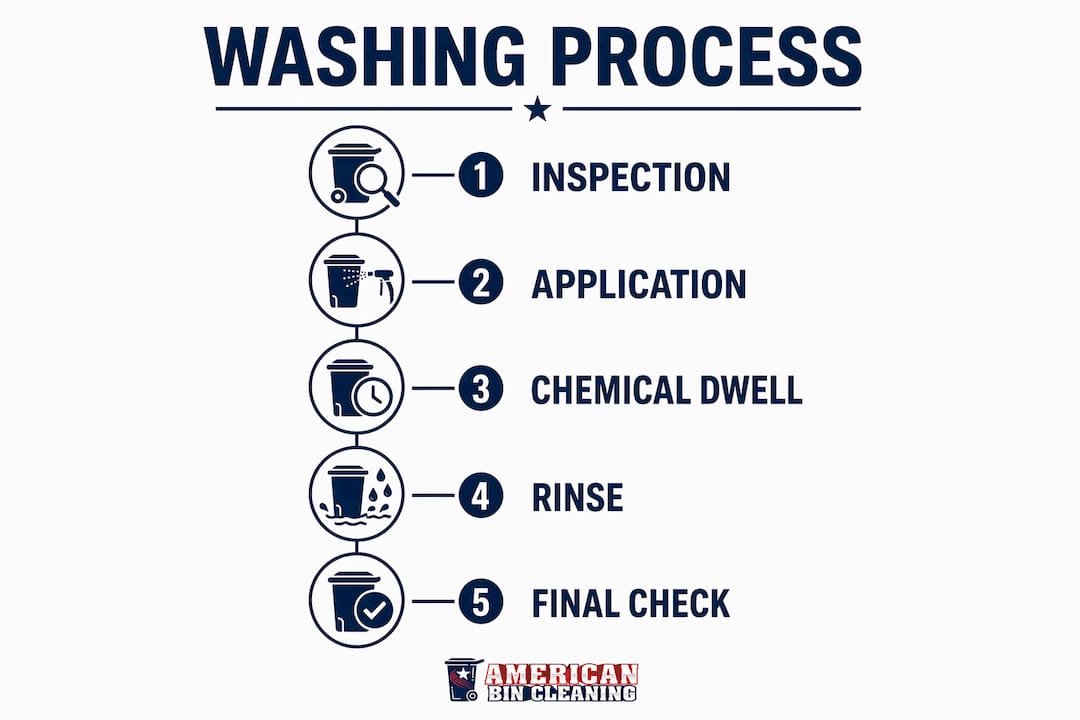
A professional home exterior cleaning visit follows a structured process from arrival to final inspection. Knowing what to expect helps you prepare your property and get the best results.
- Pre-inspection: The technician walks the full exterior to identify surface types, problem areas, electrical outlets, exterior lights, and landscaping that needs protection.
- Plant and surface pre-wetting: Pre-wetting plants and delicate exterior features before chemical application protects them from overspray and chemical contact. This step is non-negotiable on any professional job.
- Cleaning solution application: Biodegradable detergents are applied to each surface at the correct dilution. The solution begins breaking down organic growth immediately.
- Dwell time: The detergent sits for the required time, typically 5–10 minutes, to fully dissolve mold, algae, and grime bonds.
- Surface-specific washing: Soft washing handles siding, roofs, and wood. Pressure washing handles driveways, concrete, and pavers. Technicians switch methods as they move around the property.
- Rinsing: Each surface is rinsed thoroughly from top to bottom to prevent streaking and chemical residue.
- Final inspection: The technician checks for missed spots, uneven cleaning, and any surface issues that need follow-up.
Pro Tip: Before your appointment, close all windows and doors, move patio furniture away from the house, and let your technician know about any cracked caulking or damaged siding. Those areas need extra care during rinsing. The homeowner preparation checklist from Abcbins walks through every step in detail.
The most common homeowner mistake is assuming the job is done when the surface looks wet and clean. Real results show up after the surface dries completely, usually within a few hours. Streaks, missed patches, and uneven color are much easier to spot on a dry surface.
Key Takeaways
Home pressure washing combines soft washing and high-pressure techniques across multiple surfaces, and the right method, cleaning chemistry, and service frequency determine how long results last and how much damage is avoided.
| Point | Details |
|---|---|
| Two methods, one job | Soft washing (under 500 PSI) and pressure washing (2,000–4,000 PSI) are both used on a single home. |
| Chemistry over force | Biodegradable solutions with proper dwell time clean more effectively than high pressure alone. |
| Frequency by climate | Schedule every 12–18 months in dry climates, every 6–9 months in humid or shaded areas. |
| Full exterior coverage | A complete service includes siding, roofs, gutters, driveways, decks, fences, soffits, and fascia. |
| Maintenance beats remediation | Routine cleaning prevents costly chemical root treatments and extends concrete life by up to 5 years. |
What I’ve learned after years of watching homeowners get this wrong
Most homeowners who call us after a bad experience have one thing in common. They either rented a pressure washer and went straight to maximum pressure, or they hired someone who did the same thing. The damage shows up fast: stripped paint, gouged wood, water intrusion behind siding, and mold that comes back within a month because the spores were never killed.
The biggest misconception in this industry is that more pressure equals a better clean. It does not. Pressure is a delivery mechanism. The cleaning solution is what actually removes organic growth. A professional who understands chemistry will outclean a high-powered machine every time, and they will do it without damaging your home.
What I tell every homeowner is this: think of pressure washing the way you think about your car. You would not take a pressure washer to your car’s paint job. Your home’s exterior deserves the same respect. The surfaces are different, the stakes are different, and the right tool for each job is rarely the most powerful one.
Scheduling matters just as much as method. Homeowners who wait until their siding looks visibly green or their driveway looks black have already let the problem get ahead of them. At that point, you are paying for remediation, not maintenance. The role of regular cleaning in protecting your home’s value is something most people only understand after they have skipped it once too often.
— Jim
Abcbins residential pressure washing: what’s included
Abcbins has served Chicagoland homeowners since 1989 with professional pressure washing that covers siding, roofs, gutters, driveways, decks, and fences. Every job uses eco-friendly, biodegradable cleaning agents and follows the soft washing and pressure washing protocols described in this guide.
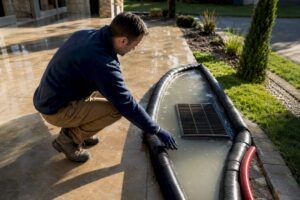
The Abcbins team handles the full process from pre-inspection to final rinse, and you do not need to be home for the appointment. All wastewater is captured in an on-board recycling system, so nothing runs off into your yard or the street. If you are ready to schedule or want a free estimate, visit the Abcbins services page to see what is covered and request a date that works for you.
FAQ
What does home pressure washing typically include?
Home pressure washing includes cleaning siding, roofs, gutters, driveways, decks, fences, soffits, and fascia using a combination of soft washing and high-pressure techniques tailored to each surface type.
What is the difference between pressure washing and soft washing?
Pressure washing uses 2,000–4,000 PSI for hard surfaces like concrete, while soft washing uses under 500 PSI with biodegradable solutions for delicate surfaces like vinyl siding, wood, and roofing.
How often should a home be pressure washed?
Most homes need professional exterior cleaning every 12 to 18 months. Homes in humid or heavily shaded climates benefit from cleaning every 6 to 9 months to prevent algae and mildew buildup.
Can pressure washing damage my home?
Yes. Using too much pressure on the wrong surface can strip paint, warp siding, or force water behind walls, causing rot. Matching the correct method and PSI to each surface prevents damage.
Does soft washing last longer than pressure washing?
Soft washing results last 2 to 3 times longer than water-only pressure washing because biodegradable solutions kill organic growth at the cellular level rather than leaving spores that cause rapid regrowth.