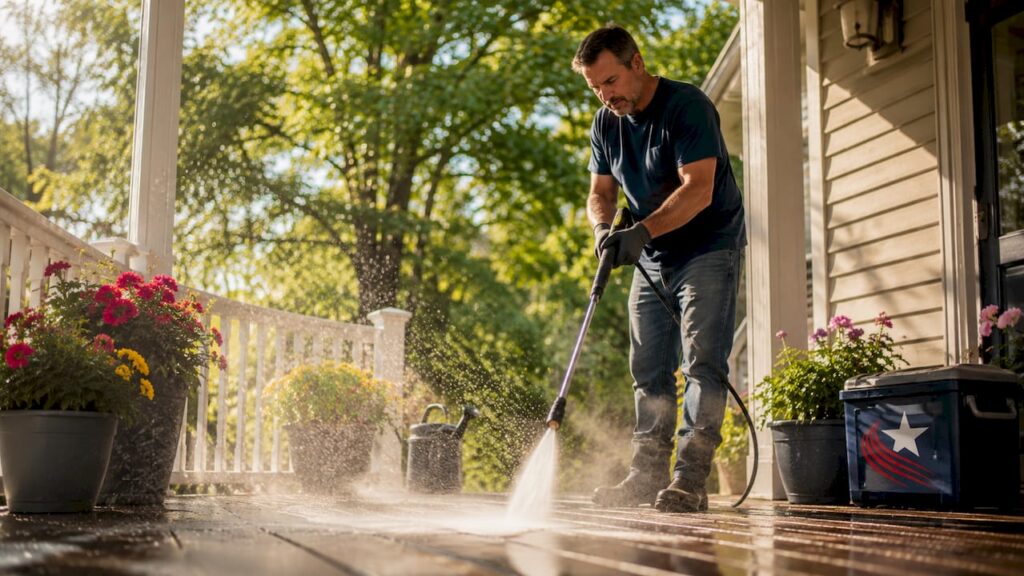
Pressure washing is the use of high-pressure water spray to remove dirt, mold, mildew, and biological growth from exterior surfaces. The role of pressure washing in property upkeep goes well beyond appearances. It prevents structural decay, reduces pest activity, and protects materials like vinyl siding, brick, and wood from premature failure. Real estate experts rank exterior cleaning as a top cost-effective home improvement for resale value. Routine exterior cleaning is the single most neglected maintenance task among homeowners, yet it delivers some of the highest returns on time and money spent.
What are the primary benefits of pressure washing your home’s exterior?
Exterior cleaning through high-pressure washing delivers four measurable outcomes: better curb appeal, longer surface life, reduced health risks, and early detection of hidden damage.
Curb appeal and property value are the most visible benefits. A clean driveway, fresh siding, and a mold-free roof tell buyers and neighbors that a property is well maintained. Exterior cleaning ranks among the most cost-effective improvements a homeowner can make before listing a property. That matters because first impressions form within seconds of a buyer pulling up to the curb.
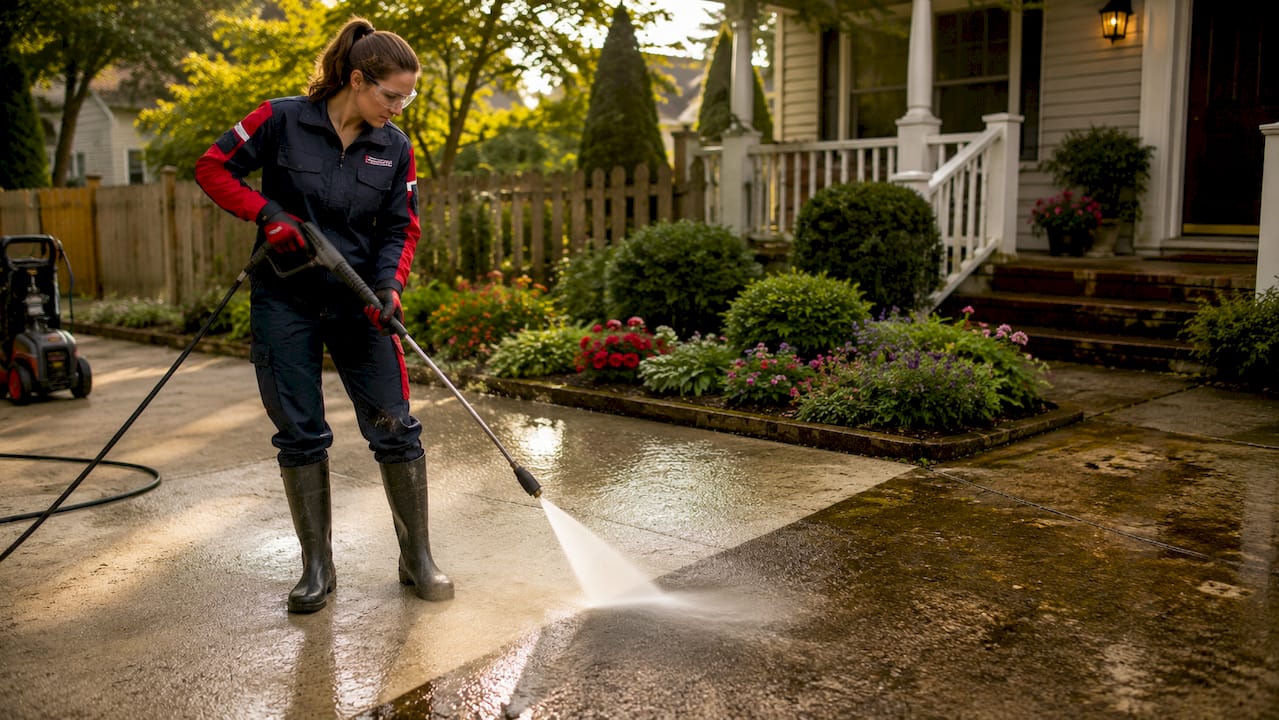
Structural protection is the less obvious but more financially significant benefit. Mold, algae, and mildew are not just ugly. They break down surface materials over time. Wood decks rot faster when algae holds moisture against the grain. Brick and mortar erode when biological growth goes unchecked for years. Removing these contaminants regularly extends the life of your siding, deck, driveway, and roof.
Health and safety improvements are real and measurable. Algae and mold on walkways create slip hazards. Mold spores on exterior walls can migrate indoors and worsen respiratory conditions. Pressure washing removes these risks before they become injuries or medical problems.
Key benefits at a glance:
- Removes mold, algae, and mildew that cause material decay
- Reduces allergen load on exterior surfaces near entryways
- Eliminates organic residue that attracts pests and insects
- Clears slip hazards from driveways, steps, and walkways
- Reveals cracks, rot, and wear that need repair before they worsen
Routine washing aids early detection of leaks, corrosion, and surface wear. That means fewer expensive corrective repairs down the road. Think of it as a property inspection you get for free every time you clean.
Pro Tip: After pressure washing your siding, walk the perimeter and look for soft spots, cracks, or discoloration. A clean surface makes damage far easier to spot than a dirty one.
How does pressure washing work and what affects its effectiveness?
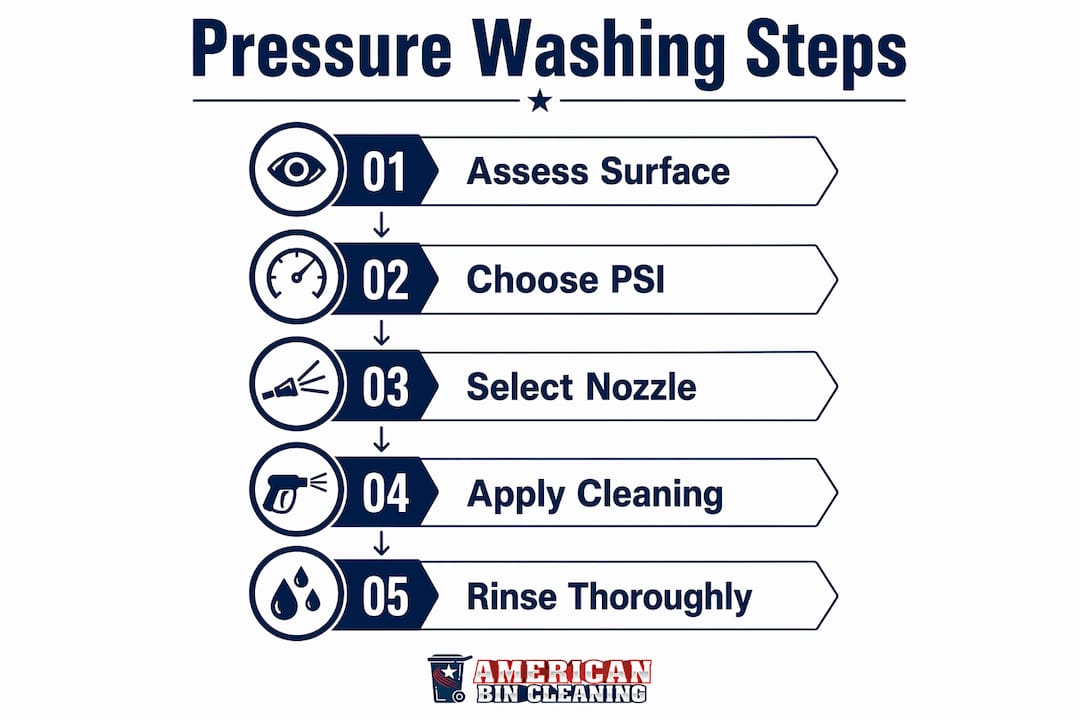
Cleaning power depends on the balance of PSI (pounds per square inch), GPM (gallons per minute), and cleaning chemistry. PSI measures the force of the water. GPM measures how much water moves through the nozzle per minute. Neither number alone determines how well a surface gets clean. Too much PSI without adequate GPM leaves debris behind. Too much pressure on a soft surface causes damage.
Pressure washing vs. soft washing
Pressure washing uses high-pressure water to blast away heavy buildup on hard surfaces like concrete, brick, and stone. Soft washing uses low pressure combined with cleaning solutions to treat delicate surfaces like vinyl siding, roof shingles, and painted wood. Soft washing prevents damage that high pressure causes on these materials, including granule loss on shingles and cracking in older siding.
The role of water temperature
Cold water handles most residential cleaning jobs. Hot water is a significant upgrade for grease, oil stains, and bacterial contamination. Hot water pressure washing dissolves grease faster and reduces the amount of chemical detergent needed to finish the job. For driveways with oil stains or trash bin pads with bacterial buildup, hot water is the better choice.
| Surface | Method | PSI Range | Notes |
|---|---|---|---|
| Concrete driveway | Pressure washing | 2,500–3,000 | Handle oil stains with hot water |
| Vinyl siding | Soft washing | 500–1,200 | High pressure causes cracking |
| Wood deck | Soft washing | 500–1,000 | Avoid splintering the grain |
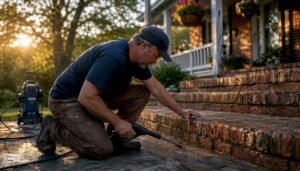
| Brick and mortar | Pressure washing | 1,500–2,000 | Check mortar condition first |
| Roof shingles | Soft washing | Under 500 | High pressure strips granules |
Pro Tip: Always test a small, hidden area before cleaning an entire surface. A 10-second test at your chosen PSI setting tells you whether the surface can handle the pressure before you commit to the full job.
When and how often should homeowners schedule pressure washing?
Frequency depends on your surface type, local climate, and how much shade your property gets. Shaded areas grow mold and algae faster because moisture lingers longer. Properties near trees accumulate organic debris that speeds up biological growth. A general schedule gives you a starting point, but your specific conditions may require adjustments.
A practical annual schedule for most Chicagoland homeowners:
- Driveways and walkways: Once per year, ideally in spring after winter salt and grit have settled into the surface.
- Vinyl or wood siding: Once per year in spring or early fall, before temperatures drop below freezing.
- Decks and patios: Once per year before sealing or staining, typically in late spring.
- Gutters and fascia: Once per year, combined with gutter cleaning in fall.
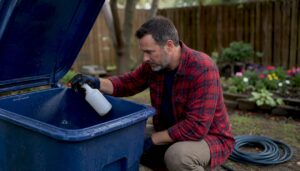
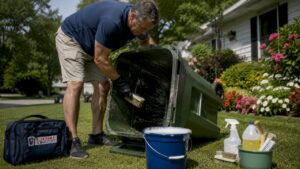
- Trash bin pads and dumpster areas: Every one to three months, depending on use and pest pressure.
Timing your cleaning before painting or staining is not optional. Pre-paint pressure washing removes mill glaze and chalking residues that prevent new paint from bonding properly. Skipping this step causes finish failure within one to two seasons, costing far more than the cleaning would have.
Routine programmatic cleaning beats one-off jobs every time. A homeowner who cleans annually spends less money and less time than one who waits five years and then faces mold-stained siding, cracked concrete, and a deck that needs full replacement instead of a simple wash and seal.
What are best practices and safety considerations for pressure washing?
Technique matters as much as equipment. The most common homeowner mistake is using too much pressure on the wrong surface. High pressure on vinyl siding forces water behind the panels, where it gets trapped and causes internal mold and rot. Avoid spraying into siding gaps or window frames for exactly this reason.
Safe and effective pressure washing follows these principles:
- Keep the nozzle at least 12 inches from the surface and adjust based on how the material responds
- Use a wide-angle nozzle (25 or 40 degree) on painted or delicate surfaces; reserve narrow nozzles for concrete and stone
- Work from top to bottom so dirty water runs down over already-cleaned areas, not over clean ones
- Never point a pressure washer at a person, pet, or electrical outlet
- Wear closed-toe shoes and eye protection; pressure washer injuries are more serious than most homeowners expect
Managing runoff is a legal and environmental responsibility. Wash water containment prevents residue from redepositing on clean surfaces, creating new slip hazards, and contaminating storm drains. Many municipalities prohibit untreated wash water from entering storm systems. Professional services like Abcbins capture all wastewater in an on-board recycling system, so nothing runs off into the environment.
Pro Tip: If you are renting a pressure washer for a DIY job, ask the rental company for the PSI rating and match it to your surface type before you start. Renting a 3,500 PSI unit for vinyl siding is one of the most expensive mistakes a homeowner can make.
Knowing when to hire a professional matters. Roofs, second-story siding, and surfaces with existing damage all carry real injury and property damage risk when handled without experience. The 2026 homeowner’s guide to pressure washing services covers when DIY makes sense and when professional service protects you better.
Key takeaways
Pressure washing is the most cost-effective exterior maintenance tool available to homeowners, protecting surfaces, improving curb appeal, and preventing repairs that cost far more than routine cleaning.
| Point | Details |
|---|---|
| Balance PSI and GPM | Cleaning power requires both pressure and flow; too much PSI alone damages surfaces. |
| Use soft washing on delicate materials | Vinyl siding, roof shingles, and painted wood need low pressure and cleaning solutions, not high-pressure blasting. |
| Schedule annually at minimum | Most surfaces need cleaning once per year; shaded or high-traffic areas may need more frequent attention. |
| Clean before painting or staining | Pre-wash removes mill glaze and chalking so new finishes bond correctly and last longer. |
| Contain and manage runoff | Wash water carries contaminants that create slip hazards and violate storm drain regulations if left unmanaged. |
What I’ve learned after years of watching homeowners get this wrong
Most homeowners treat pressure washing as a cosmetic task. They do it when the driveway looks embarrassing or when they are selling the house. That thinking costs them money every single year they delay.
The surfaces that fail first are almost always the ones that stayed dirty longest. I have seen wood decks that needed full replacement because algae held moisture against the boards for three seasons straight. A single annual wash and seal would have extended that deck’s life by a decade. The cleaning cost would have been a fraction of the replacement.
The other mistake I see constantly is confusing pressure with cleaning power. Homeowners rent the biggest machine they can find and blast everything at full pressure. They strip paint, crack grout, and force water behind siding panels. Then they wonder why their walls have moisture problems the following winter. Cleaning power comes from the right combination of pressure, flow, temperature, and chemistry. A professional who understands that balance will clean your home more thoroughly at lower pressure than a DIYer running a machine at maximum output.
Hot water is underused in residential cleaning. Most rental units are cold water only. But for driveways with oil stains, trash bin pads, or any surface with bacterial buildup, hot water cuts cleaning time and chemical use significantly. If you are hiring a professional, ask specifically whether they use hot water equipment. It makes a real difference on the right surfaces.
The home pressure washing service checklist I recommend to homeowners covers surface-by-surface guidance that takes the guesswork out of scheduling. Use it before your first cleaning of the season.
— Jim
Professional pressure washing and bin cleaning for Chicagoland homeowners
Abcbins has served Chicagoland homeowners since 1989 with residential pressure washing for driveways, homes, decks, and storefronts, plus professional trash bin cleaning that kills 99.99% of bacteria and eliminates odors. Every job uses eco-friendly, high-pressure cleaning, and all wastewater is captured on-board so nothing runs off into the environment.
You do not need to be home. Abcbins handles everything on your schedule, including monthly, bi-monthly, quarterly, and on-demand service plans. Whether you need your residential surfaces cleaned professionally or want to add bin cleaning for better curb appeal to your maintenance routine, Abcbins makes it simple, reliable, and affordable. Schedule your service today at abcbins.com.
FAQ
What surfaces can be pressure washed safely?
Concrete, brick, stone, and metal handle high-pressure washing well. Vinyl siding, roof shingles, and painted wood require soft washing techniques at low pressure to avoid damage.
How often should I pressure wash my home’s exterior?
Most homes benefit from annual exterior cleaning, with high-traffic surfaces like driveways and bin pads cleaned every one to three months depending on use and local conditions.
Does pressure washing actually improve property value?
Yes. Real estate experts rank exterior cleaning as one of the most cost-effective improvements a homeowner can make before listing a property for sale.
Can pressure washing reduce pests around my property?
Pressure washing removes the organic residues that attract insects and pests. Regular cleaning of bin pads and exterior surfaces reduces pest pressure significantly over time.
Is it safe to pressure wash before painting?
Pressure washing before painting is not just safe. It is necessary. Removing mill glaze and chalking before applying new paint prevents finish failure and extends the life of the coating by multiple seasons.