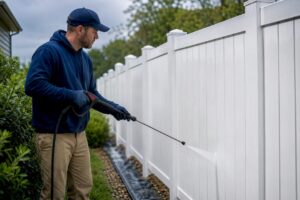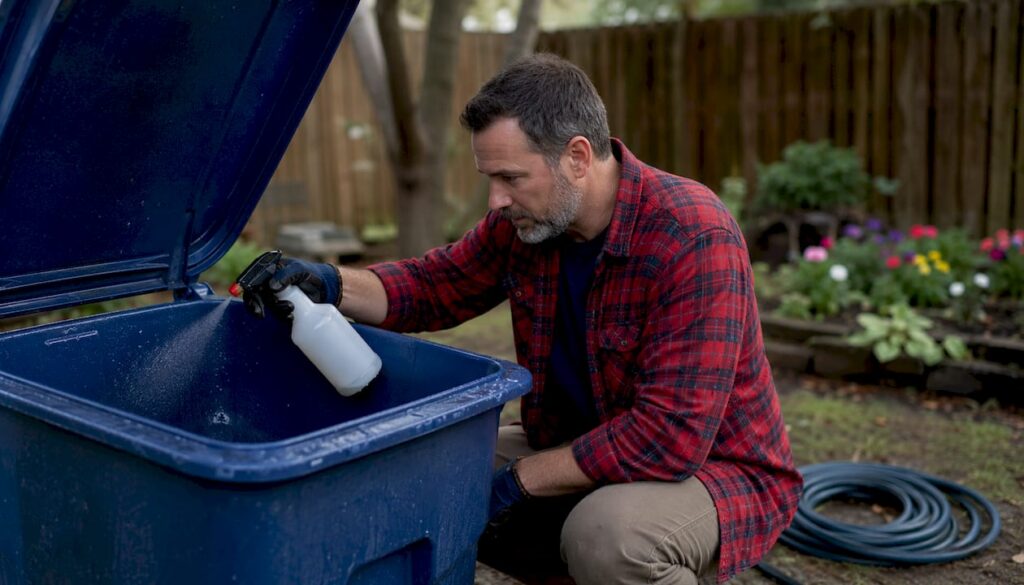
Why sanitizing your waste bins actually matters
Sanitizing waste bins does more than make them smell better. It kills the pathogens that build up inside every bin, including Salmonella and E. coli, which thrive in the warm, moist environment that food residue creates. Left unchecked, those microbes don’t stay in the bin. They spread to kitchen surfaces, footwear, and the hands of anyone who touches the lid.
Bins also develop biofilms, structured bacterial colonies that physically resist ordinary rinsing and soap. Once a biofilm takes hold, the bin can look clean while still harboring a dense microbial load. That’s the core problem with skipping regular disinfection.
The role of sanitizing in bin care covers four critical outcomes:
- Pathogen elimination: kills harmful bacteria and reduces illness risk for your household
- Odor control: removes the bacterial activity that produces persistent smells, not just the smell itself
- Pest prevention: disrupts the food residue trails that attract rodents, flies, and ants
- Indoor air quality: limits mold spores and bacteria from circulating beyond the bin into living spaces
Both the CDC and EPA recommend following disinfectant label directions precisely, including contact time, as the foundation of any effective sanitation routine.
## 1. Empty and rinse bins before every cleaning session
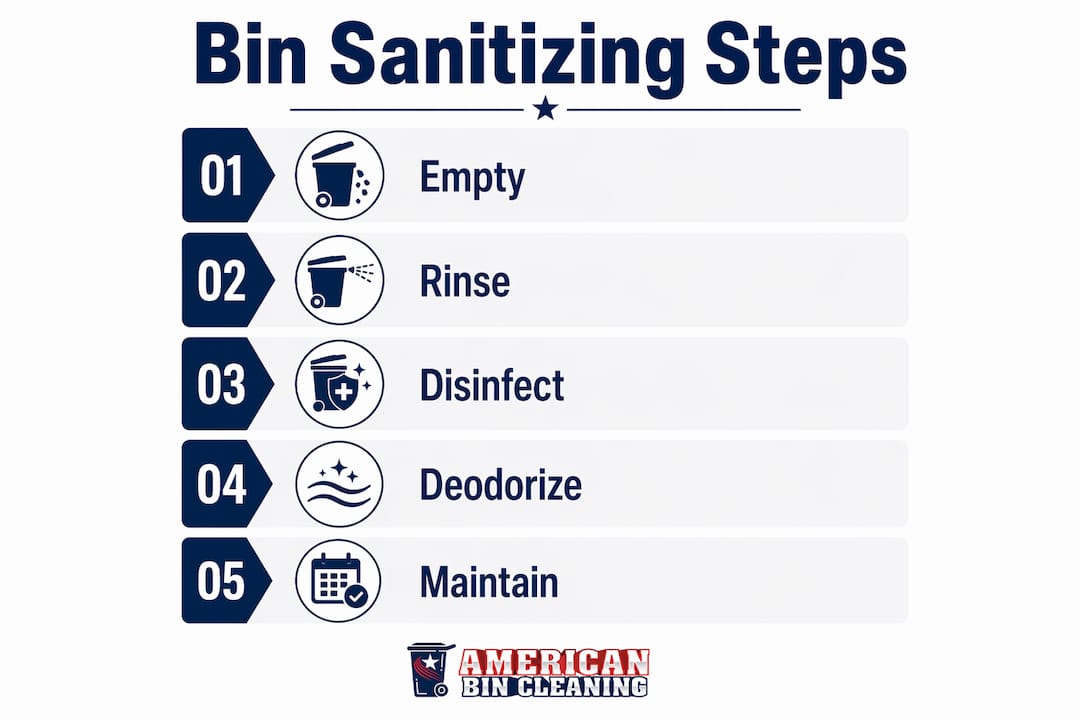
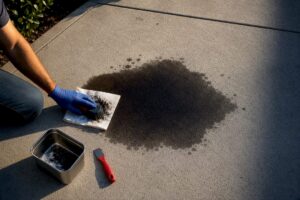
No disinfectant works well on a bin that still has loose debris inside. Remove all waste, pull out the bag liner, and shake out any loose material before applying any cleaning product.
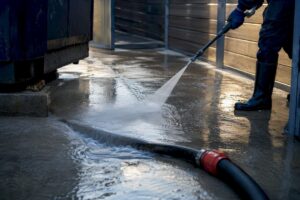
Rinse with water after emptying to loosen stuck-on residue and enhance disinfection effectiveness. Without this step, residue blocks cleaner contact with the bin surface.
- Remove the liner and all visible waste first
- Rinse with water to dislodge loose debris before scrubbing
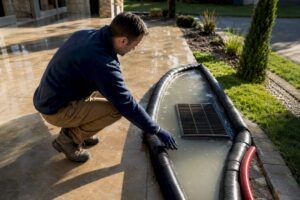
- Avoid rinsing near storm drains; wastewater from bins carries pathogens
- In hot weather, rinse more frequently since heat accelerates bacterial growth
- Never cross-contaminate by using the same sponge or brush on kitchen surfaces
Pro Tip: Tie off bag liners before pulling them out. A torn bag during removal deposits residue back into a freshly rinsed bin.
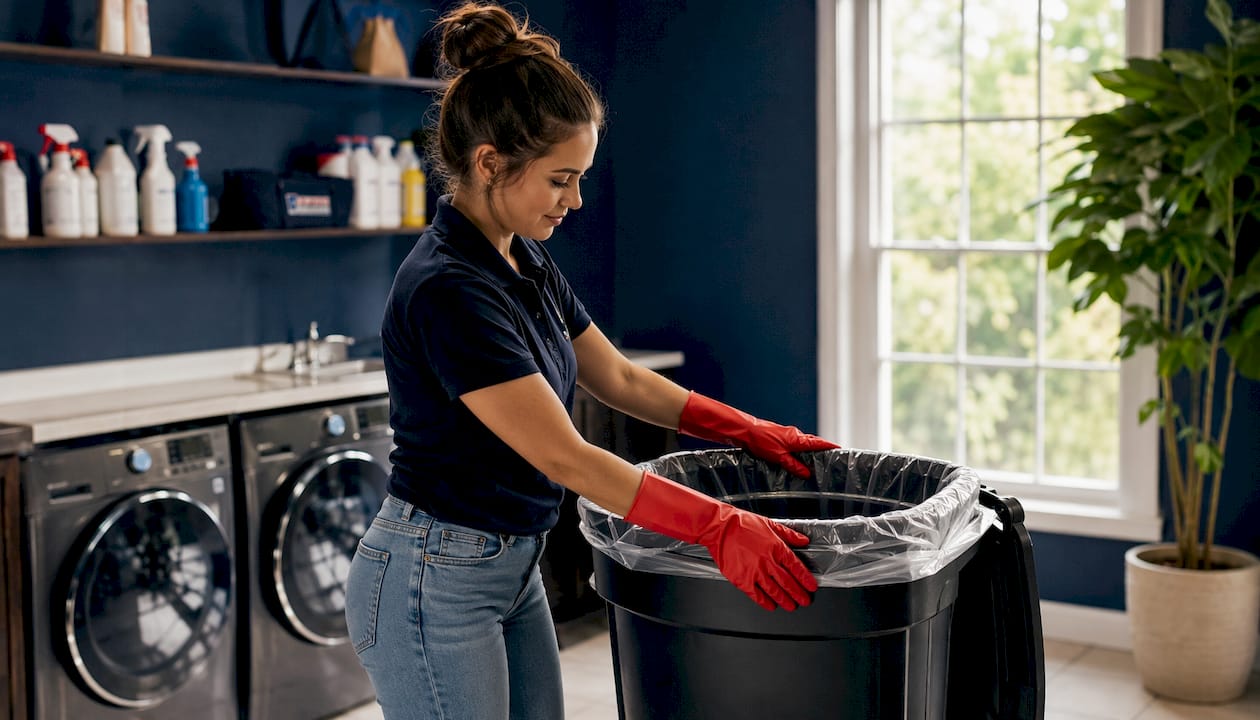
## 2. Use EPA-registered disinfectants and respect contact time
The single most misunderstood part of how bin disinfection works is contact time. A disinfectant only kills pathogens when the surface stays visibly wet for the full labeled dwell period, which ranges from 1 to 10 minutes depending on the product. Wipe it dry too soon and you’ve cleaned the surface without actually disinfecting it.
Spray disinfectants outperform wipes on bins for a straightforward reason: alcohol-based wipes dry quickly, making it nearly impossible to maintain the wet contact time required. A trigger sprayer coats the full interior, reaches corners, and keeps surfaces wet long enough to do the job.
- Use EPA-registered disinfectants and follow label instructions exactly
- Apply with a spray bottle, not wipes, for better surface coverage
- Keep all interior surfaces visibly wet for the labeled contact time
- A diluted bleach solution (following CDC bleach guidance) works on plastic bins
- Never mix bleach with other cleaners; the combination produces toxic fumes
Contact time matters: Surfaces must remain wet with disinfectant for the full labeled period to achieve pathogen kill. Skipping this step leaves bacteria alive and able to spread.
## 3. Vinegar and baking soda for eco-friendly bin care
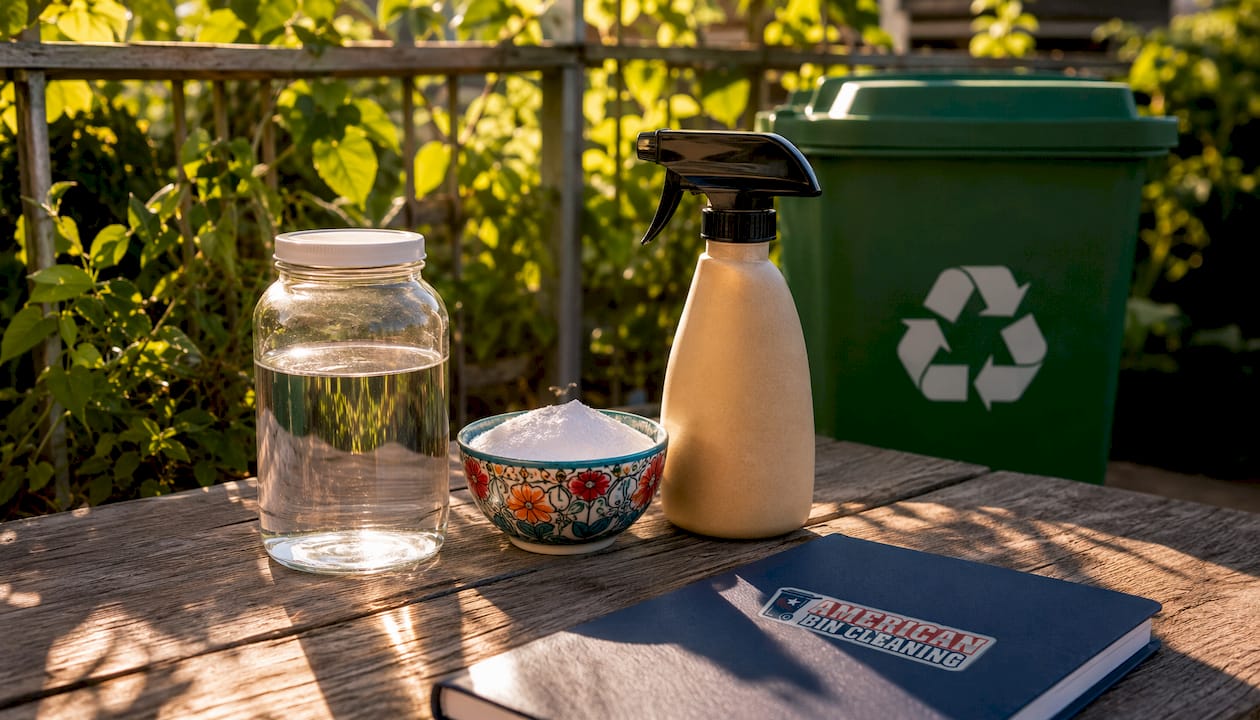
White vinegar and baking soda won’t replace a registered disinfectant for heavy contamination, but they handle routine maintenance well and carry no chemical risk to children, pets, or the environment.
Vinegar’s acidity breaks down grease and grime while reducing surface bacteria. A 1:1 mix of white vinegar and water, applied and left for a few minutes before rinsing, works well on plastic bins between deeper cleaning sessions. Baking soda absorbs moisture and neutralizes the acids that produce odors, which is why sprinkling it in the bottom of a clean, dry bin extends freshness between cleanings.
- Mix equal parts white vinegar and water as a spray solution
- Apply baking soda to the bin bottom after drying to absorb residual odors
- Never combine vinegar and baking soda in the same application; they neutralize each other
- These agents work best as maintenance between disinfectant cleanings, not as replacements
- Both are safe for plastic, metal, and rubber bin materials without causing cracking or discoloration
For guidance on eco-friendly cleaning methods that go beyond basic DIY, Abcbins covers the full range of options available to homeowners.
## 4. Steam cleaning breaks down biofilms that soap misses
Steam cleaning is the most effective chemical-free method for deep bin sanitation. High-temperature steam penetrates the polysaccharide matrix that bacteria secrete to form biofilms, physically breaking apart the structure that ordinary soap and cold water leave intact.
The mechanism is straightforward: bacterial cell membranes break down at high temperatures, and steam delivers that heat directly to surfaces, including corners and textured areas that brushes miss. This makes steam particularly useful after a bin has gone several weeks without cleaning and biofilm has had time to establish.
- Steam reaches areas that scrubbing brushes and spray nozzles cannot
- Effective against biofilms that resist household soaps and cold rinses
- Handheld steam cleaners are available for home use; professional units run hotter
- Always combine steam with a pre-rinse step to remove loose debris first
- Wear heat-resistant gloves and keep steam away from your face during use
## 5. Deodorizing agents that actually eliminate odors
Odors from bins are a byproduct of active bacterial breakdown, not just stale smells. Masking them with scented sprays while leaving residue in place only delays the problem. Genuine odor control requires removing the bacterial source first, then applying a deodorizer to the clean surface.
Baking soda and activated charcoal are the two most effective natural deodorizers for bins. Activated charcoal absorbs a wider range of odor compounds than baking soda and lasts longer between replacements. Commercial deodorizing sprays work well as a follow-up after disinfection, but they should never substitute for cleaning.
- Apply baking soda or activated charcoal to the dry bin bottom after cleaning
- Use commercial deodorizing sprays only after the bin has been properly sanitized
- Dry the bin completely before replacing the liner; moisture restarts bacterial odor production
- Ventilate the bin by leaving the lid open for 30 minutes after cleaning
- Remove organic waste promptly rather than letting it sit, since decomposition accelerates odor
If persistent smells keep returning despite regular cleaning, the cause is usually residue you can’t see rather than anything a deodorizer can fix.
## 6. UV-C light as a supplemental sanitizing method
UV-C light disrupts bacterial and viral DNA, preventing reproduction and effectively killing pathogens on exposed surfaces. It’s a legitimate disinfection tool when used correctly, though it comes with a hard limitation: UV-C only works on surfaces it can directly reach. Any shadowed area, including the underside of a lid or the bottom corners of a bin, receives no benefit.
For home use, UV-C wands and portable sanitizers are available, but they work best as a supplement to chemical or steam cleaning rather than a standalone method. Professional services that incorporate UV-C do so alongside high-pressure washing and disinfectants for full coverage.
- UV-C kills bacteria and viruses on directly exposed surfaces
- Shadowed areas receive no disinfection; rotate the bin to cover all angles
- Never look directly at a UV-C light source; it causes serious eye and skin damage
- Use UV-C after cleaning, not before; organic residue blocks UV penetration
- Sunlight provides mild natural UV exposure; leaving clean bins open outdoors helps
## 7. Regular maintenance habits that prevent buildup
The most effective bin hygiene strategy is one that prevents heavy contamination from developing in the first place. A bin that gets a quick rinse and liner replacement weekly requires far less effort to deep-clean monthly than one that goes untouched for months.
Moisture left in bins after cleaning promotes microbial regrowth, so drying the bin fully before inserting a new liner is one of the highest-impact habits you can build. Plastic liners reduce direct waste contact with the bin wall, but they don’t prevent leaks entirely, so regular sanitizing remains necessary even with liners in place.
- Fit liners snugly to reduce the chance of leaks reaching the bin surface
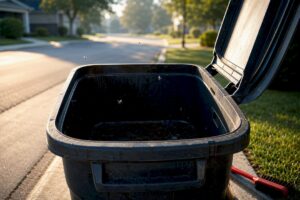
- Dry the bin completely before inserting a new liner after every cleaning
- Schedule deep sanitization monthly for indoor bins, more often in summer
- Store outdoor bins in a spot that gets direct sunlight when not in use
- Separate organic waste into a dedicated bin to limit bacterial spread to other containers
Pro Tip: Tie a small bag of baking soda to the inside of the lid. It absorbs odors between cleanings without any contact with the waste itself.
## 8. Health risks from unsanitized bins and what the research shows
Unsanitized bins are a genuine household health hazard, not an aesthetic concern. Families track pathogens indoors from contaminated bins via footwear and grocery bags, and the microbial load is far higher than visible dirt suggests. Children and pets face the greatest exposure risk because they contact floors and low surfaces where tracked-in bacteria settle.
Bacteria double every 4–20 minutes under the right conditions, which means a bin left uncleaned for a week can harbor a dramatically larger bacterial population than one cleaned the week before. Dirty bins also create pest hubs that attract rodents and insects, and once an infestation establishes, the cost of pest control far exceeds the cost of routine bin sanitation.
Proper bin cleaning extends to exterior surfaces too. Lids, handles, and wheels accumulate bacteria just as the interior does, and most homeowners skip them entirely.
- Salmonella, E. coli, and other pathogens thrive in unsanitized bin environments
- Mold spores and bacteria from bins affect indoor air quality and can trigger respiratory issues
- Cross-contamination via footwear and bags poses a hidden risk, especially for children
- Pest infestations linked to dirty bins require costly professional intervention
- Abcbins uses eco-friendly, high-pressure cleaning that kills 99.99% of bacteria while capturing all wastewater on-board, so nothing runs off into the environment
Key Takeaways
Sanitizing waste bins regularly is the single most effective way to prevent pathogen spread, persistent odors, and pest infestations in and around your home.
| Point | Details |
|---|---|
| Contact time is non-negotiable | Disinfectant surfaces must stay wet for 1–10 minutes to kill pathogens; wiping too soon leaves bacteria alive. |
| Biofilms resist ordinary cleaning | Soap and cold water leave biofilm intact; steam or hot water with surfactant is required to break it down. |
| Drying prevents regrowth | Moisture left after cleaning creates conditions for bacteria and mold to return before the next cleaning cycle. |
| Bacteria double every 4–20 minutes | A week without cleaning allows bacterial populations to multiply far beyond what visible dirt indicates. |
| Exterior surfaces carry bacteria too | Lids, handles, and wheels need the same disinfection as the bin interior, not just a quick wipe. |
Let Abcbins handle the deep cleaning for you
Abcbins has served Chicagoland homeowners and businesses since 1989 with professional, eco-friendly bin cleaning that goes well beyond what a garden hose and household cleaner can achieve. The high-pressure process kills 99.99% of bacteria, eliminates odors at the source, and captures all wastewater on-board so nothing enters the environment.
Service plans run monthly, bi-monthly, quarterly, and on-demand. You don’t need to be home. Whether you’re in Barrington, McHenry, or anywhere across the region, Abcbins handles the work while you’re away. If you’ve been managing bin hygiene on your own and want to see what a professional clean actually looks like, check out what DIY really costs compared to a service plan.