Hosing down a trash bin removes loose debris but leaves behind a thin biofilm and organic residue that harbor odor-causing microbes. That residue is the real problem. Bacteria like E. coli and Salmonella thrive in the organic film that clings to bin walls, lids, and seams long after the water drains away. Proper bin sanitation is a multi-stage process: remove physical residue, disinfect surfaces, and dry completely. Skipping any stage means odors return, pests show up, and health risks stay active. This guide covers why bins need cleaning beyond hosing down and what actually works.
Why a quick rinse leaves your bin still dirty
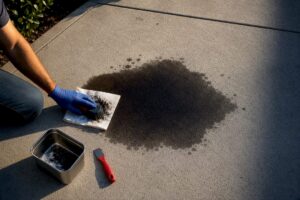
A garden hose moves water across a surface. It does not remove the sticky organic film that food drips, liquids, and condensation leave behind. That film is called a biofilm, and it acts as a physical shield. Biofilms protect microbes from disinfectants, which means spraying a cleaning product into a bin that still has residue on the walls accomplishes very little.
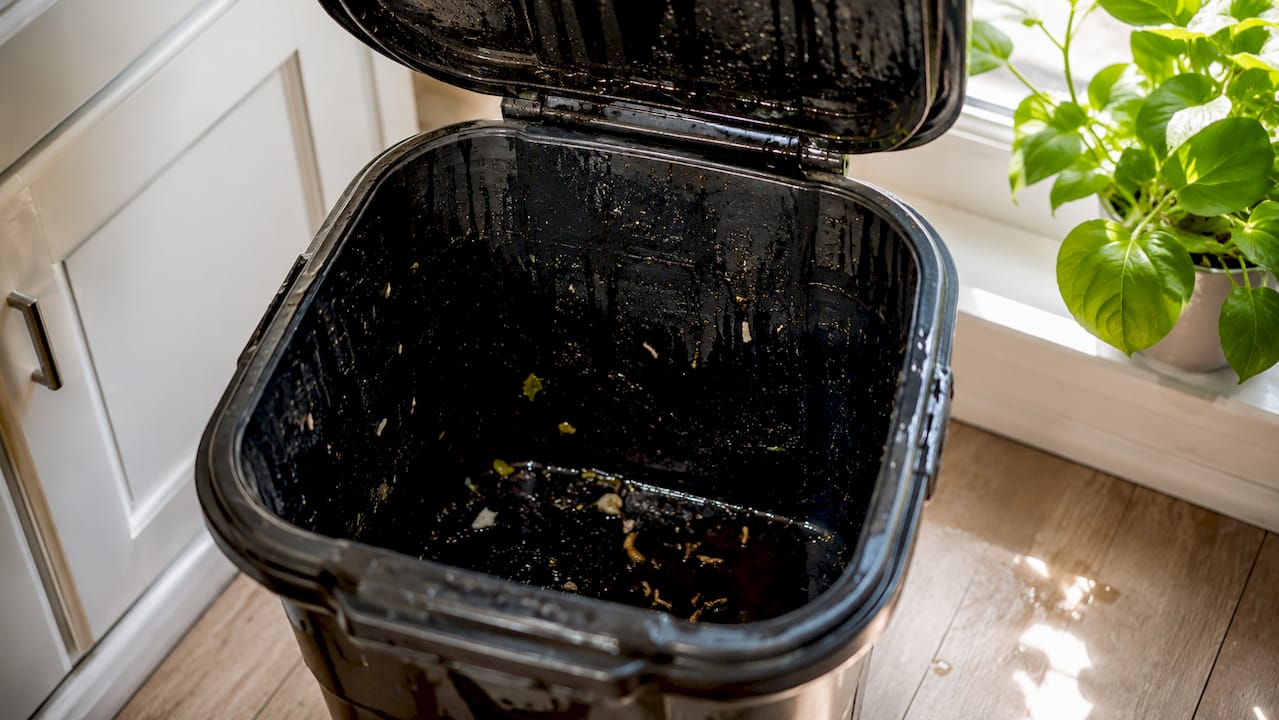
The moisture from rinsing makes things worse. Moisture left after rinsing supports microbial regrowth and worsens odor, making a quick rinse counterproductive. You are essentially creating a warm, damp environment that bacteria find ideal.
Residue also concentrates in spots most people never think to clean:
- Lid underside: Condensation and splatter collect here every time the bin is used.
- Rims and handles: Hands touch these surfaces constantly, transferring grease and organic matter.
- Seams and corners: Water drains away from flat surfaces but pools in seams, feeding microbial growth.
- Bottom interior: Liquid waste settles here and ferments between collections.
Missed cleaning zones like lid undersides and seams are where odors return after a rinse. Cleaning only the visible interior walls and calling it done is the most common mistake homeowners make.
Pro Tip: Before you disinfect, wipe or scrub the interior walls to physically remove residue. Disinfectant applied to a dirty surface cannot reach the bacteria underneath.
What happens to the water when you rinse a bin outside
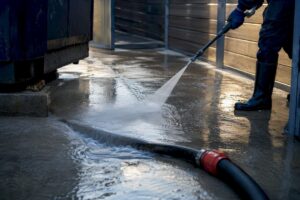
Rinsing a bin on your driveway or curb sends contaminated water somewhere. That somewhere is almost always a storm drain. Storm drains flow directly into creeks and coastal waters without any treatment, carrying bacteria, food waste, and chemical residue with them.
This is not just an environmental concern. In California and several other states, allowing contaminated wastewater to enter storm drains violates water quality laws and can result in fines. Many homeowners are unaware that a routine bin rinse could put them on the wrong side of local ordinances.
The risks of DIY rinsing on your property include:
- Contaminated runoff spreading across driveways, sidewalks, and lawns
- Bacteria from bin waste reaching garden soil or children’s play areas
- Wastewater entering storm drains and polluting local waterways
- Potential fines for water quality violations in regulated areas
Professionals use closed-loop filtration to capture all wastewater during cleaning, preventing any contamination from reaching drains or the surrounding environment. Abcbins, for example, captures all wastewater in an on-board recycling system so nothing runs off into the environment. That is a standard a garden hose and a bucket cannot meet.
How to properly clean and sanitize a bin
Effective bin sanitation follows a specific sequence. Skipping steps produces incomplete results. Here is the correct order:
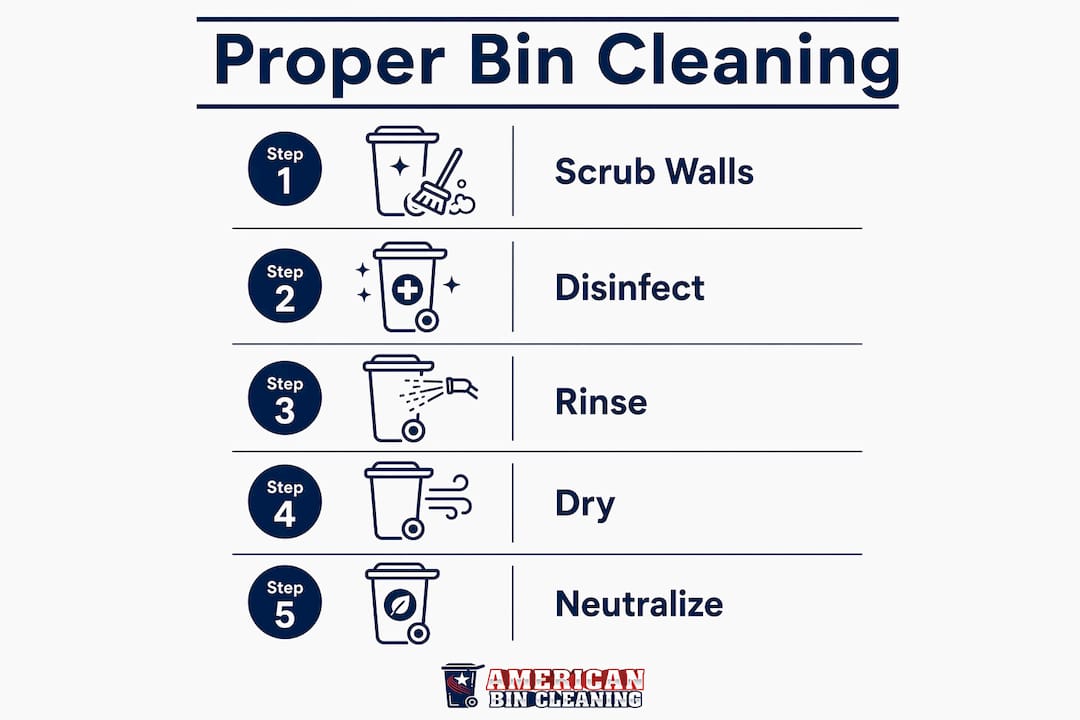
- Empty the bin completely. Remove all loose waste and liner remnants before doing anything else.
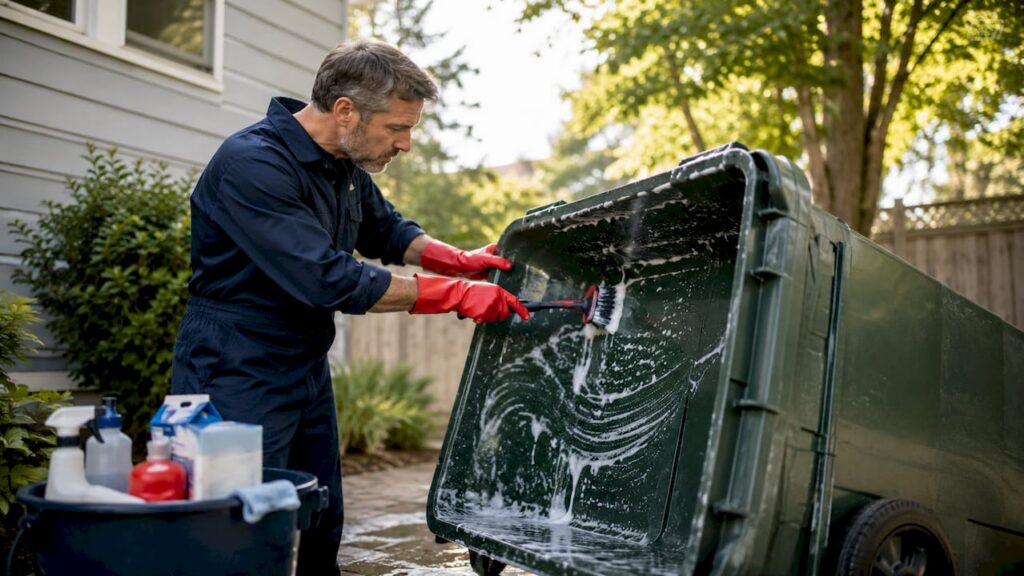
- Scrub physical residue off all surfaces. Use a stiff brush with a degreasing cleaner on the interior walls, lid underside, rims, handles, and seams. This step removes the biofilm that blocks disinfectants.
- Apply a disinfecting agent. Use a product effective against grease, biofilms, and organic matter. Let it dwell on the surface for the time specified on the label.
- Rinse with high-temperature water. Water heated above 200°F neutralizes bacterial contamination at a level garden hoses cannot reach. Professional equipment achieves this; home hot water taps do not.
- Clean the exterior. Handles, the outside of the lid, and the bin body all collect bacteria and attract pests.
- Dry the bin completely before closing the lid. Thorough drying prevents bacteria regrowth and stops odors from returning. Leave the lid open in a sunny spot for at least an hour.
Pro Tip: Add a cup of white vinegar or a sprinkle of baking soda to the empty bin after drying. Both neutralize residual odors without leaving chemical residue.
How often should you clean your bin?
Homeowner guidance recommends disinfecting bins every 2–4 weeks, with more frequent cleaning during warmer months or when food waste volume is high. Summer heat accelerates bacterial growth and odor production, so a monthly schedule becomes a weekly one in july and august for many households.
Seasonal deep cleaning matters too. Spring cleaning removes the residue that built up through winter. Fall cleaning resets hygiene after summer heat has baked organic matter onto bin surfaces. If you sanitize bins after holiday waste periods like thanksgiving or the fourth of july, you are addressing the heaviest organic loads of the year before they have time to ferment. The same logic applies when you sanitize bins after seasonal heavy use, such as after a summer of outdoor entertaining.
What cleaning agents actually work
Not every cleaner reaches biofilms. Degreasers break down the fatty organic layer that food waste leaves behind. Enzyme-based cleaners digest organic matter at a molecular level, which makes them effective against persistent odors. Bleach-based disinfectants kill a broad range of bacteria but work only after physical residue has been removed. Using bleach on a dirty surface is like painting over rust.
How clean bins stop pests before they start
Food residue and odors are the primary reason flies, maggots, rodents, and raccoons target trash bins. Organic residue on bin surfaces creates an ideal environment for bacteria and pests. Flies can detect organic odors from significant distances and lay eggs directly in residue left on bin walls, not just in the trash itself.
Consistent bin cleaning removes odors and residue and directly prevents pest infestations like flies, rodents, and raccoons. Effective sanitation reduces the need for additional pest control measures, saving money and disruption. A single professional cleaning can break the cycle that a hose rinse never interrupts.
Behavioral habits reinforce the cleaning work:
- Use bin liners every time. Liners prevent direct contact between waste and bin walls.
- Keep the lid fully closed. An open lid is an open invitation for flies and rodents.
- Drain liquids before bagging. Liquid waste soaks through liners and pools at the bin bottom, accelerating odor and pest problems.
- Avoid placing bins near food gardens or compost. Proximity concentrates pest activity in one area.
Pest prevention focuses on eliminating food residues that attract pests, not just removing odors. Odor masking sprays do not solve the underlying problem. They cover the smell while bacteria and residue continue to build. The real cost of DIY bin cleaning often includes pest treatments that a proper cleaning routine would have made unnecessary.
Behavioral changes like using liners, keeping lids closed, and draining liquids before disposal reduce cleaning frequency and pest problems over time. These habits do not replace cleaning. They extend the time between infestations and make each cleaning more effective.
Key Takeaways
Deep bin sanitation requires removing physical residue, disinfecting with appropriate agents, and drying completely to prevent bacteria regrowth, odors, and pest infestations.
| Point | Details |
|---|---|
| Hosing is not sanitizing | A rinse removes loose debris but leaves biofilms that protect bacteria from disinfectants. |
| Drying is non-negotiable | Moisture left after cleaning supports microbial regrowth and brings odors back within days. |
| Runoff carries real risk | DIY rinsing sends contaminated water into storm drains, which can violate local water quality laws. |
| Clean every 2–4 weeks | Warmer weather and high food waste volume require more frequent cleaning to control bacteria and pests. |
| Pests follow residue, not just odor | Removing organic residue from bin surfaces breaks the pest cycle that odor sprays cannot interrupt. |
What I’ve learned after years of watching homeowners rinse and wonder why it smells
Most homeowners I talk to are genuinely surprised when they learn that rinsing a bin can make the odor problem worse. The logic seems sound: water washes things away. But a bin is not a smooth countertop. It has seams, textured walls, and a lid underside that traps moisture and residue in ways that a water stream never reaches. The rinse adds moisture. The moisture feeds the bacteria. The odor comes back stronger.
The pest connection is the part that really changes minds. When someone calls a pest control company for a fly or rodent problem and the technician points to the trash bin as the source, the cost of that service call suddenly reframes the value of a proper cleaning routine. Pest treatments cost far more than a professional bin cleaning, and they do not fix the root cause.
My practical advice: treat bin cleaning the way you treat cleaning a cutting board after raw meat. You would not rinse a cutting board and consider it safe. You scrub it, disinfect it, and let it dry. Your bin holds weeks of the same category of waste. It deserves the same standard. Integrating a proper cleaning into your household routine every few weeks, and scheduling a deep clean after holidays or heavy use periods, is one of the simplest ways to reduce odors, deter pests, and keep your property genuinely clean.
— Jim
Professional bin cleaning that goes further than a rinse
Abcbins has provided professional trash bin cleaning throughout Chicagoland since 1989. The process uses high-pressure, high-temperature cleaning that reaches the biofilms, residue, and bacteria a garden hose cannot touch, killing 99.99% of bacteria while eliminating odors and preventing pests.
All wastewater is captured in an on-board recycling system, so nothing runs off into storm drains or your property. Service plans run monthly, bi-monthly, quarterly, or on-demand. You do not need to be home. If you are in Chicagoland and want bins that are genuinely clean, not just rinsed, schedule a bin cleaning with Abcbins and see the difference a proper sanitation process makes.
FAQ
Why does my bin still smell after I rinse it?
Rinsing removes loose debris but leaves behind a biofilm that shields odor-causing bacteria from water. Eliminating the smell requires scrubbing off that residue, disinfecting, and drying the bin completely.
How often should I deep clean my trash bin?
Disinfecting every 2–4 weeks is the standard recommendation, with more frequent cleaning during summer or when food waste is high. After heavy-use periods like holidays, a full deep clean resets hygiene before residue has time to ferment.
Is it illegal to rinse my bin on the driveway?
In many areas, yes. Contaminated wastewater entering storm drains can violate local water quality laws and result in fines, because storm drains flow directly into waterways without treatment.
What temperature water actually kills bacteria in bins?
Water heated above 200°F is required to neutralize bacterial contamination effectively. Standard garden hoses and home hot water taps do not reach that temperature, which is why professional high-temperature cleaning produces results that DIY rinsing cannot.
Do bin liners eliminate the need for cleaning?
Liners reduce direct contact between waste and bin walls but do not prevent all residue buildup. Leaks, condensation, and overflow still deposit organic matter on surfaces, so regular cleaning remains necessary even with consistent liner use.