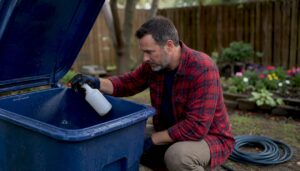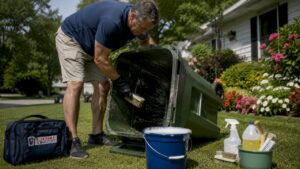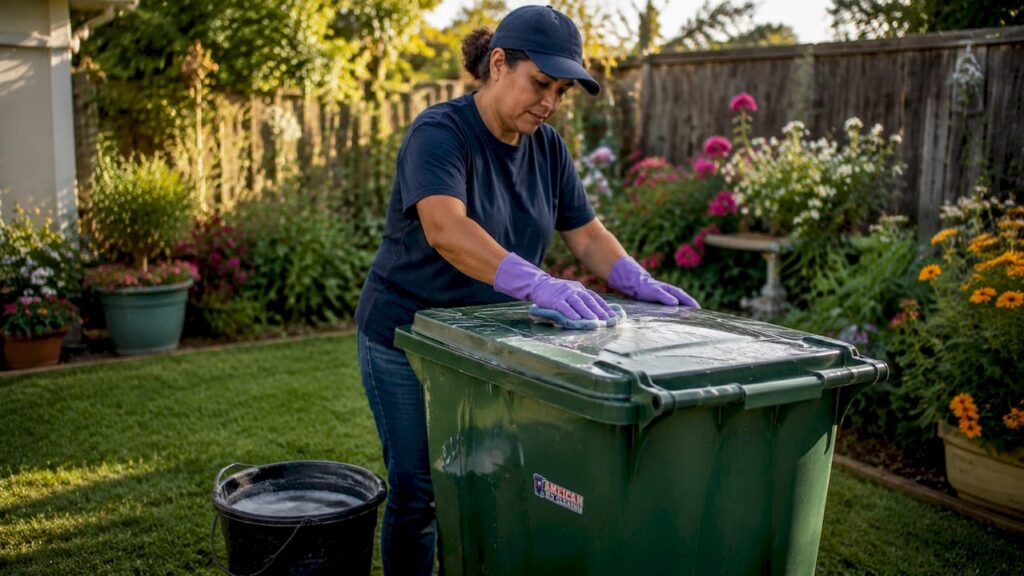
Dirty garbage bins are one of the most overlooked hygiene problems in any home. The most common mistakes cleaning garbage bins involve using the wrong products, skipping liners, and failing to remove liquid residue, all of which let bacteria, odors, and pests take hold fast. Bins harbor bacteria counts higher than a typical toilet seat, including E. coli and Salmonella. Knowing exactly what not to do is the fastest way to keep your bins clean, your family safe, and your yard smelling fresh.
1. Common bin cleaning mistakes: using harsh or incompatible chemicals
The biggest chemical mistake homeowners make is reaching for the strongest cleaner on the shelf. Bleach works for heavy-duty sanitation, but it damages bin materials over time and creates serious safety risks when combined with other products. Mixing bleach and vinegar produces toxic chlorine gas, which causes severe respiratory problems. That combination is more common than you’d think, especially when homeowners switch products mid-clean without rinsing first.
White vinegar is the better choice for routine cleaning. It controls odor, kills common bacteria, and does not degrade plastic bin walls the way bleach does. Enzymatic cleaners achieve over 90% biofilm disruption and leave no harmful residue behind. They are safer for your family, your bin, and the environment.
- Never mix bleach and vinegar, even in separate rinse steps without thorough flushing in between
- Reserve bleach for deep disinfection only, not weekly maintenance
- Rinse the bin completely with water before switching from one product to another
- Consider eco-friendly cleaning methods like enzymatic or plant-based cleaners for regular use
Pro Tip: Apply white vinegar, let it sit for five minutes, then rinse thoroughly. This routine handles odor and surface bacteria without the risks that come with bleach.
2. Skipping bin liners or using the wrong size
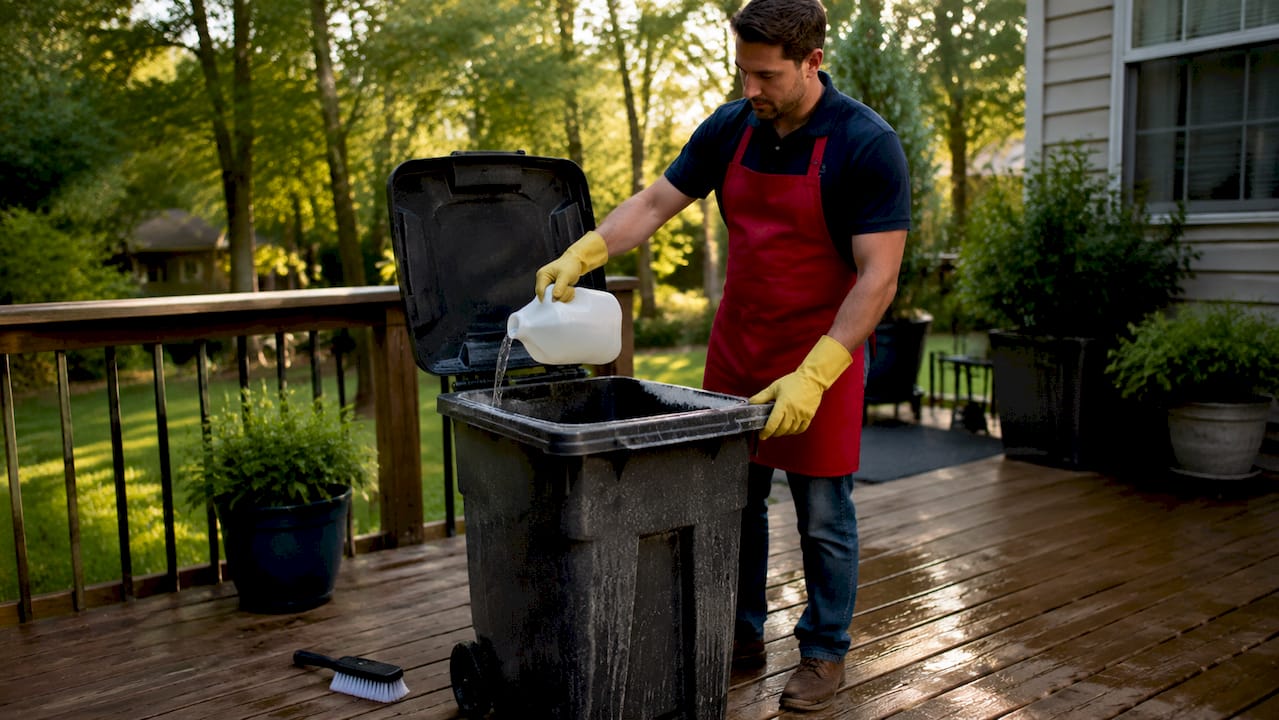
Not using a bin liner is one of the most common bin cleaning pitfalls, and it costs you more time and effort in the long run. Without a liner, food waste, liquids, and packaging residue make direct contact with the bin wall. That contact creates a sticky layer that bacteria colonize quickly.
Overfilling is the other half of this problem. When waste piles above the bin rim, lids cannot close properly. Open lids invite flies, raccoons, and other pests. Overfilling bins also leads to missed collections, since waste haulers often skip bins that cannot be sealed.
- Use a liner that fits the bin fully, with enough overhang to tie off securely
- Fill the bin no more than three-quarters full to keep the lid closed
- Double-bag wet or leaking waste before placing it in the bin
- Replace torn liners immediately rather than leaving them in place
A properly fitted liner does not just protect the bin. It also makes your weekly cleaning faster because there is far less residue to scrub away.
3. Ignoring “bin juice” and skipping mechanical scrubbing
Liquid residue at the bottom of a bin, commonly called “bin juice,” is the primary source of foul odor and pest attraction. It forms when food waste breaks down and liquid seeps through or around the liner. Left alone, bin juice becomes a breeding ground for bacteria, maggots, and flies within days.
Rinsing with water alone does not remove it. The residue bonds to the bin surface and requires physical scrubbing to break up. Lay the bin on its side and use a long-handled stiff brush to reach the bottom and corners. This technique gives you the leverage to scrub effectively without straining your back or reaching awkwardly into the bin.
Pro Tip: Add a cup of white vinegar and a small amount of dish soap to the bin before scrubbing. The soap breaks down grease while the vinegar neutralizes odor at the source.
Regular removal of this sludge prevents maggot infestations. Maggots appear when flies lay eggs in the residue layer, so eliminating the layer eliminates the problem. Homeowners who clean bins monthly see far fewer pest issues than those who clean only when odors become noticeable. For more on why bins smell bad and how to fix it, the pattern is almost always traced back to bin juice left too long.
4. Using high-pressure sprayers incorrectly
High-pressure water jets feel like the obvious tool for blasting a dirty bin clean. The problem is that high-pressure sprays aerosolize harmful pathogens, bacteria, and endotoxins, turning them into fine particles you can inhale. This risk is real even for a standard residential bin cleaned in a driveway.
Manual scrubbing with enzymatic cleaners is the safer method for most homeowners. It removes biofilm without sending microscopic contaminants into the air around you. If you do use a pressure washer, keep the nozzle at least 12 inches from the bin surface and always point the spray away from your face and body.
- Wear a mask and gloves when using any spray-based cleaning method on bins
- Never use compressed air to clear debris from inside a bin
- Work in a well-ventilated outdoor area, not in a garage or enclosed space
- Rinse wastewater away from garden beds, storm drains, and play areas
The health risks from bin cleaning are not dramatic, but they are real. Taking basic precautions costs almost nothing and prevents unnecessary exposure.
5. Skipping gloves, masks, and hand hygiene after cleaning
Garbage bins carry E. coli, Salmonella, and other pathogens on their surfaces. Cleaning without gloves transfers those pathogens directly to your hands, and from there to your face, your kitchen, and your family. Using PPE like gloves and protective gear reduces the potential disease burden from bin cleaning by nearly an order of magnitude. That is a significant reduction for a step that takes five seconds.
Handwashing after cleaning is not optional. Soap and water for at least 20 seconds removes surface bacteria that hand sanitizer alone may miss. Consistent hand hygiene after bin contact lowers respiratory symptoms by reducing bacterial transmission from hands to airways.
- Wear nitrile or rubber gloves rated for chemical use, not thin disposable gloves
- Add a disposable mask if you are scrubbing heavily soiled bins or using spray methods
- Wash hands with soap and water immediately after removing gloves
- Change clothes if significant splashing occurred during cleaning
Pro Tip: Keep a dedicated pair of cleaning gloves near the bin area so you never skip this step because the gloves are inside the house.
6. Cleaning too infrequently, especially in summer
Most homeowners clean their bins once or twice a year. That schedule is not enough. Health risks from volatile organic compounds in household waste peak in summer, when heat accelerates decomposition and bacterial growth. A cumulative hazard index in summer reached 30.6 in recent research, well above safety thresholds. That number reflects what is happening inside a hot, unclean bin sitting in direct sunlight.
Monthly cleaning is the minimum for most households. Bins used for food waste or diapers need cleaning every two to three weeks in warm months. A quick rinse and scrub after each collection day takes less than ten minutes and prevents the buildup that makes deep cleaning a much bigger job.
Seasonal timing matters too. Clean bins thoroughly before summer begins and again in early fall when decomposition rates drop. This two-season approach keeps bacterial loads manageable year-round without requiring daily effort.
7. Putting wet or loose waste directly into the bin
Wet waste placed directly into a bin without a liner or secondary bag is the fastest way to create a residue problem. Liquids from food packaging, meat trays, and produce bags pool at the bin bottom within hours. That pooling is exactly how bin juice forms and how odor cycles begin.
The fix is simple. Drain liquid from packaging before it goes into the bin. Wrap meat and fish scraps in newspaper or a sealed bag before disposal. For households that generate a lot of food waste, a small countertop compost container reduces the volume of wet organic material going into the main bin entirely.
Loose waste, meaning items not inside a bag, also creates problems at collection. Waste haulers may not collect bins where loose items fall into the truck mechanism. Bagging all waste before it enters the bin protects both your bin and your collection service.
Key Takeaways
Avoiding the most common bin cleaning mistakes requires consistent habits, the right products, and basic protective gear every time you clean.
| Point | Details |
|---|---|
| Never mix bleach and vinegar | Combining these cleaners produces toxic chlorine gas; use one product per session. |
| Remove bin juice every clean | Scrub liquid residue with a stiff brush to stop odor, maggots, and bacteria at the source. |
| Use PPE every time | Gloves and a mask reduce pathogen exposure by nearly an order of magnitude during cleaning. |
| Clean monthly in summer | Heat accelerates bacterial growth; monthly cleaning prevents hazardous buildup in warm months. |
| Fit liners correctly | A properly sized liner prevents direct waste contact and cuts scrubbing time significantly. |
What I’ve learned after years of watching homeowners clean bins the hard way
The mistake I see most often is not the chemical choice or the liner size. It is the assumption that a bin only needs cleaning when it smells bad. By the time odor is noticeable, the bacterial load is already high, the residue layer is thick, and the job takes three times as long as it would have with regular maintenance.
The second pattern I notice is overconfidence with cleaning products. Homeowners grab bleach because it feels powerful. But bleach on a plastic bin, used repeatedly, degrades the surface and creates micro-cracks where bacteria hide. White vinegar and enzymatic cleaners do the job without that tradeoff. I have seen bins last years longer simply because the owner switched products.
The environmental piece matters too. Wastewater from bin cleaning carries bacteria and cleaning chemicals. Letting it run into a storm drain or garden bed is not a neutral act. Capturing or directing that water responsibly is a small habit with a real impact. Abcbins captures all wastewater in an on-board recycling system, which is the standard every homeowner should aim for when cleaning at home.
If you want a reliable shortcut, professional bin cleaning costs less than most homeowners expect and removes every one of these variables from your routine entirely.
— Jim
Professional bin cleaning from Abcbins: no effort required
Abcbins has provided professional trash bin cleaning throughout Chicagoland since 1989. The process uses high-pressure, eco-friendly sanitation that kills 99.99% of bacteria, eliminates odors, and stops pests before they start. All wastewater is captured on-board, so nothing runs off into your yard or the street. You do not need to be home. Abcbins handles everything curbside on your schedule, with monthly, bi-monthly, quarterly, and on-demand plans available. If you are ready to skip the scrubbing and get consistently clean bins, book a cleaning plan and let the professionals handle it.
FAQ
How often should I clean my garbage bins?
Clean bins at least once a month during summer and every six to eight weeks in cooler months. Heat accelerates bacterial growth and VOC production, making warm-weather cleaning more urgent.
Can I mix bleach and vinegar to clean my bin?
Never mix bleach and vinegar. The combination produces toxic chlorine gas that causes serious respiratory harm. Use one product per cleaning session and rinse thoroughly before switching.
What is “bin juice” and why does it matter?
Bin juice is the liquid residue that collects at the bottom of a bin as food waste breaks down. It is the primary source of foul odor and attracts flies that lay eggs and cause maggot infestations.
Do I really need gloves to clean a garbage bin?
Yes. Bins carry E. coli, Salmonella, and other pathogens. Wearing gloves and washing hands with soap and water afterward reduces your risk of bacterial transmission significantly.
What is the safest cleaner for regular bin maintenance?
White vinegar is the safest and most effective option for routine cleaning and odor control. Reserve bleach for heavy-duty disinfection only, and consider enzymatic cleaners for a low-residue, eco-friendly alternative.