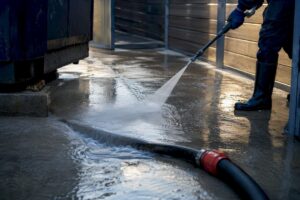
Eco-friendly bin cleaning methods use biodegradable cleaning agents, controlled water runoff, and proper disinfection technique to sanitize trash bins without harming the environment. Natural ingredients like white vinegar, baking soda, and citric acid handle the heavy lifting, while responsible wastewater disposal keeps local waterways clean. Most homeowners focus on the product they use but overlook how they handle the dirty water afterward. Both choices matter equally for a truly green clean.
What are the best eco-friendly bin cleaning methods?
Sustainable bin cleaning combines three elements: the right natural cleaning agents, proper scrubbing technique, and safe wastewater management. Skip any one of these and you either leave bacteria behind or push pollutants into the storm drain. Rinsing only rarely eliminates bacteria and odor-causing residue. A full clean requires scrubbing and a disinfection step.
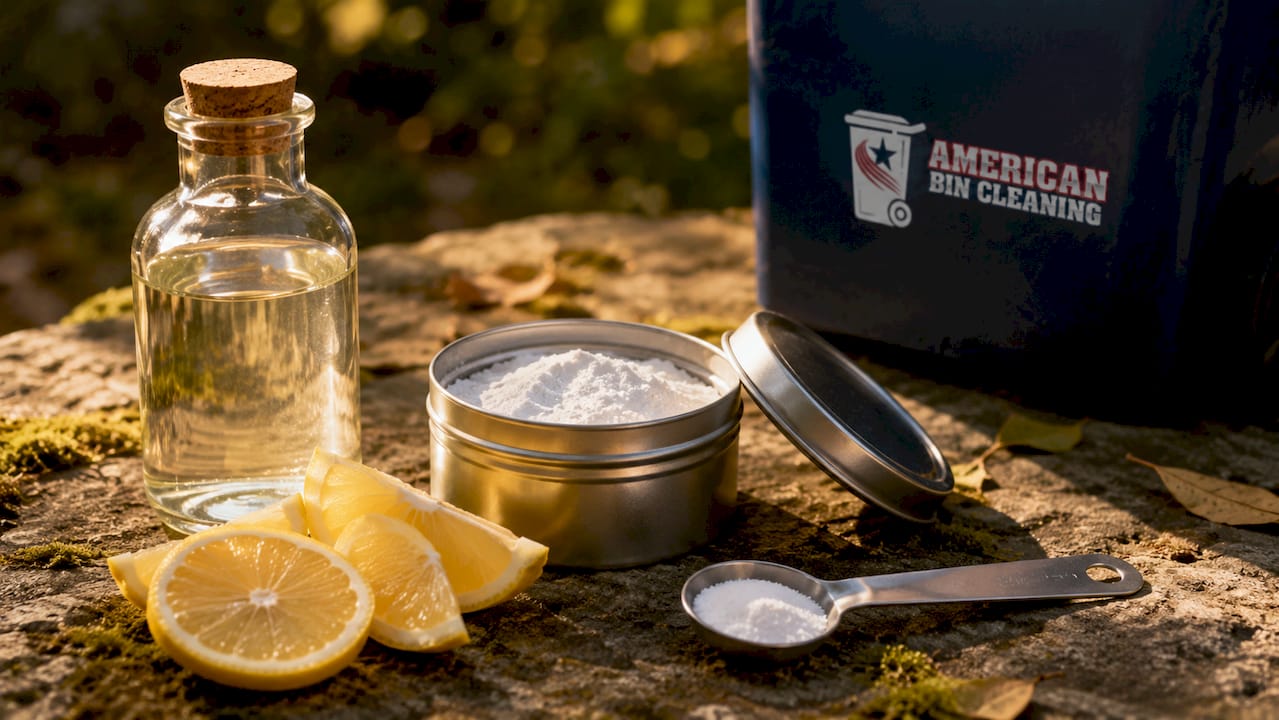
The most effective natural cleaning agents for bins are white vinegar, baking soda, citric acid, and a small amount of biodegradable dish soap. Each one targets a different problem. Vinegar and citric acid break down bacteria and mineral deposits. Baking soda neutralizes odor-causing gases from decomposing material. Dish soap cuts through grease and food residue so the other agents can reach the bin surface directly.
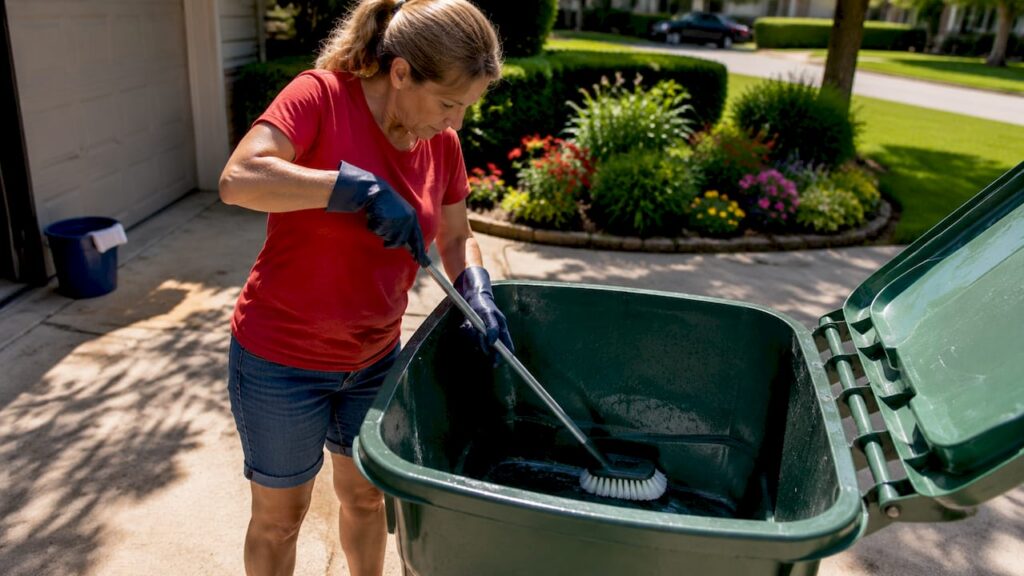
A long-handled deck brush is the right tool for the job. It gives you enough reach to scrub the bottom of a tall bin without bending over or touching the interior. Pair it with waterproof gloves to protect your skin from cleaning agents and bin residue.
Comparison of common natural cleaning agents
| Cleaning agent | Primary benefit | Best use case |
|---|---|---|
| White vinegar | Kills bacteria, deodorizes | General disinfection rinse |
| Baking soda | Neutralizes sour odors | Dry odor treatment after cleaning |
| Citric acid | Breaks down mineral scale and bacteria | Hard water stains and deep disinfection |
| Biodegradable dish soap | Cuts grease and food residue | Initial scrub solution |
| Hydrogen peroxide | Fast-acting disinfectant | Surface sanitizing before rinse |
How to clean your bin step by step using natural ingredients
Preparation sets the outcome. Place your bin on a flat outdoor surface where you can control where the water flows. A gravel area or a patch of grass works better than a paved driveway that drains directly to the street.
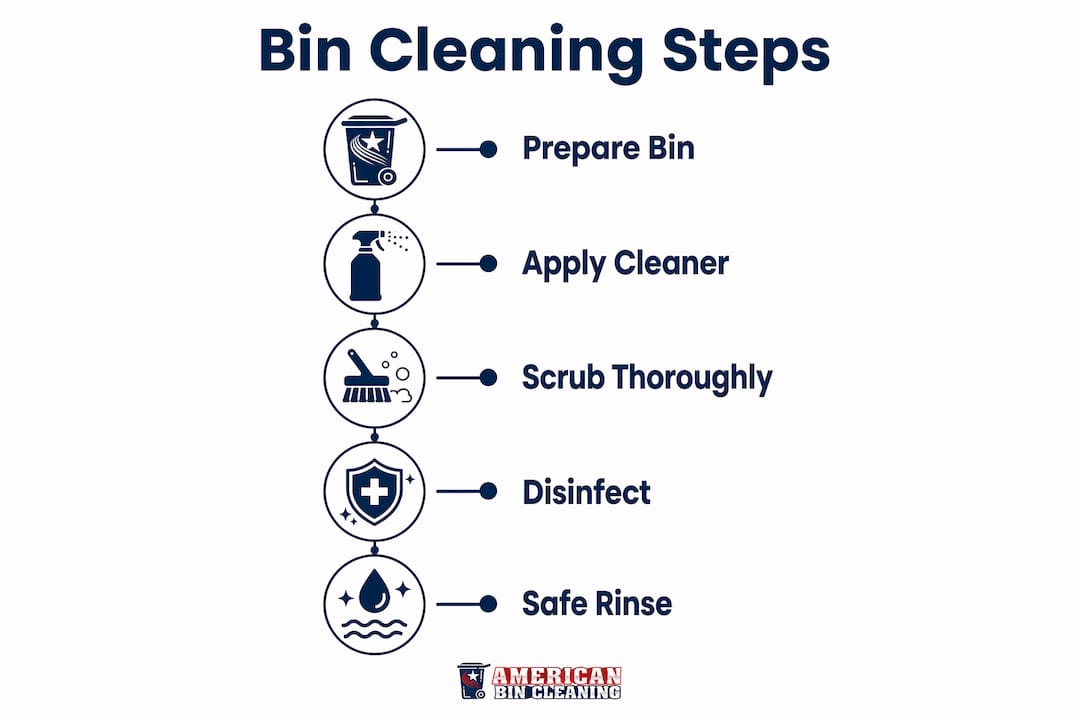
Follow these steps for a complete, eco-friendly clean:
- Empty the bin completely. Remove any loose debris or liner remnants before you add water.
- Rinse the interior with warm water. This loosens stuck-on residue and makes scrubbing easier.
- Mix your scrub solution. Combine a few drops of biodegradable dish soap with warm water in a bucket.
- Scrub all interior surfaces. Use a long-handled deck brush and work from top to bottom. Pay extra attention to the bottom corners where residue collects.
- Apply your disinfectant. Pour or spray a vinegar-and-water solution in equal parts across all interior surfaces.
- Let it dwell. Keep the surface wet for the full contact time. Do not rush this step.
- Rinse thoroughly. Flush the interior with clean water and let the bin air dry upside down.
- Apply baking soda last. Once the bin is completely dry, sprinkle baking soda inside to neutralize any remaining odor.
Pro Tip: Let the disinfectant stay wet for the full contact time before rinsing. If the surface dries before the time is up, reapply and start the clock again. A dry surface means the disinfectant stopped working.
Wastewater from bin cleaning contains bacteria, food residue, and cleaning agents. Never pour it into a storm drain or gutter. Direct it onto a gravel bed or a patch of soil where it can filter naturally before reaching groundwater.
What eco-friendly disinfectants work best?
Green disinfectants vary significantly in how fast they work. Hydrogen peroxide requires 1–5 minutes of wet contact time. Citric acid needs 5–10 minutes. Thymol, a plant-derived active found in some natural cleaning products, falls in a similar range to citric acid. Choosing the wrong one for your situation wastes time and leaves bacteria alive.
Match the disinfectant to the problem you are solving:
- Hydrogen peroxide: Best for fast disinfection when you need a quick turnaround. Works well on general bacteria and odor-causing microbes.
- Citric acid: Best for bins with hard water scale or heavy mineral buildup. The acid dissolves deposits while disinfecting at the same time.
- Thymol: A plant-based option derived from thyme oil. Effective against a broad range of bacteria but requires a longer dwell time than hydrogen peroxide.
- White vinegar (acetic acid): A reliable everyday disinfectant for light to moderate contamination. Less potent than hydrogen peroxide but widely available and inexpensive.
Contact time of 3–10 minutes of wetness is required for EPA-registered disinfectant efficacy. That rule applies to green actives just as much as conventional ones. The product does not work if the surface dries before the clock runs out.
Pro Tip: On hot summer days, bin surfaces dry fast. Work in the shade when possible, or apply disinfectant in sections so each area stays wet long enough to do its job.
No single natural cleaner handles every bin problem. Use hydrogen peroxide when speed matters. Use citric acid when you see white mineral deposits. Use baking soda as a follow-up odor treatment after the bin is dry, not as a disinfectant.
How to manage wastewater safely when cleaning bins
Wastewater from bin cleaning is a genuine environmental concern, not a technicality. Discharging wash water into storm drains is prohibited without permits under the Clean Water Act. Storm drains flow directly to rivers, lakes, and streams without treatment. Contaminated runoff from a single bin cleaning session can carry bacteria, detergents, and food waste into local water systems.
The fix is straightforward. Choose your cleaning location carefully before you start.
Placing your bin on a flat, well-drained area away from storm drains gives runoff a chance to filter through soil before it reaches any waterway. Gravel and grass both work. Concrete that drains to the street does not.
Practical wastewater do’s and don’ts:
- Do clean on grass, gravel, or soil where water can filter naturally.
- Do sweep loose debris out of the bin before rinsing to reduce solids in the wash water.
- Do use the smallest amount of cleaning agent that gets the job done. Less soap means less chemical load in the runoff.
- Don’t pour dirty wash water into a storm drain, gutter, or street.
- Don’t clean on a slope that drains directly toward a neighbor’s yard or a waterway.
- Don’t use bleach or harsh chemical disinfectants if you cannot contain the runoff. Bleach is toxic to aquatic life even in small concentrations.
Environmental guidance stresses placing bins on a flat, well-drained area to prevent contamination of local water bodies. This is the single most overlooked step in DIY bin cleaning. Most homeowners get the cleaning product right and then rinse everything straight into the street drain.
Common mistakes that undermine eco-friendly bin cleaning
The most common error is rinsing without scrubbing. Water alone does not remove the biofilm layer where bacteria live. You need physical scrubbing to break that layer before any disinfectant can reach the surface underneath.
Watch out for these mistakes:
- Skipping the scrub. A rinse removes loose debris but leaves bacteria and odor-causing residue behind. Always scrub before disinfecting.
- Mixing incompatible agents. Never combine vinegar and baking soda as a cleaning solution. They neutralize each other on contact and lose their individual effectiveness. Use them in separate steps.
- Rushing the dwell time. Applying disinfectant and rinsing immediately is the same as not disinfecting at all. The surface must stay wet for the full contact period.
- Applying baking soda to a wet bin. Baking soda works best in a dry bin. Moisture dilutes it and extends drying time, which can actually encourage odors.
- Cleaning only when the smell gets bad. Reactive cleaning lets bacteria and biofilm build up to a level that requires more effort and stronger agents to address. A regular cleaning schedule prevents that cycle from starting.
Summer heat accelerates odor and bacteria buildup. A bin that smells fine in april can become a serious problem by july if you skip cleanings. Monthly cleaning during warm months is a reasonable baseline for most households.
Key takeaways
Eco-friendly bin cleaning requires biodegradable cleaning agents, proper scrubbing technique, and responsible wastewater disposal working together. No single step is enough on its own.
| Point | Details |
|---|---|
| Scrubbing is non-negotiable | Rinsing alone leaves bacteria and odor-causing biofilm on bin surfaces. |
| Match disinfectant to the problem | Use hydrogen peroxide for speed, citric acid for mineral scale, baking soda for dry odor control. |
| Dwell time determines efficacy | Green disinfectants need 1–10 minutes of wet contact time to kill bacteria effectively. |
| Wastewater disposal matters | Never rinse bin wash water into a storm drain. Clean on grass or gravel to filter runoff naturally. |
| Schedule beats reaction | Monthly cleaning in summer prevents heavy buildup that requires harsher effort to remove. |
Why I think most homeowners are one step away from getting this right
I have seen a lot of bin cleaning routines, and the gap between a good clean and a genuinely eco-friendly one almost always comes down to wastewater. Homeowners spend real effort sourcing the right natural products, then rinse everything straight into the street drain without a second thought. That one habit cancels out most of the environmental benefit.
The other thing I have noticed is that people treat bin cleaning as a reaction to a problem rather than a prevention habit. You clean the bin when it smells. But odor control works best by removing the source residue before it builds up, not by masking it after the fact. A quick monthly clean in warm weather takes ten minutes and prevents the kind of buildup that takes thirty.
The mindset shift that makes the biggest difference is treating your bin the same way you treat your kitchen sink. You would not let food residue sit in your sink for weeks. Your bin deserves the same logic. Natural ingredients like vinegar, citric acid, and baking soda are genuinely effective when you use them correctly, meaning the right dwell time, the right sequence, and the right surface to clean on.
For homeowners who want the result without the effort, professional services like those offered by Abcbins handle the cleaning, the wastewater containment, and the scheduling. That is a legitimate option, especially for households with multiple bins or limited outdoor space for safe runoff management.
— Jim
Professional eco-friendly bin cleaning in Chicagoland
Abcbins has provided professional, eco-friendly trash bin cleaning throughout Chicagoland since 1989. Every cleaning uses biodegradable detergents and high-pressure equipment that kills 99.99% of bacteria. All wastewater is captured in an on-board recycling system, so nothing runs off into storm drains or local waterways.
Abcbins offers curbside bin cleaning on monthly, bi-monthly, quarterly, and on-demand service plans. No need to be home. The crew handles everything at the curb while you are away. Homeowners in the area can check availability for professional bin cleaning in Barrington or explore service options across the region at abcbins.com.
FAQ
What does eco-friendly bin cleaning mean?
Eco-friendly bin cleaning uses biodegradable cleaning agents like vinegar, baking soda, and citric acid, combined with responsible wastewater disposal that prevents contaminated runoff from reaching storm drains or local waterways.
Is vinegar effective for disinfecting trash bins?
A vinegar-and-water solution in equal parts effectively kills bacteria and deodorizes bins when left to dwell for several minutes before rinsing. It works best on light to moderate contamination.
How do I dispose of bin wash water safely?
Clean your bin on grass or gravel so water filters through soil naturally. Discharging wash water into storm drains is prohibited under the Clean Water Act because it carries bacteria and cleaning agents directly into waterways without treatment.
How often should I clean my trash bin?
Monthly cleaning during warm months is the most effective schedule for odor and bacteria control. Heat accelerates buildup, so a regular cleaning schedule prevents the heavy residue cycles that require more effort to reverse.
Can I use baking soda and vinegar together to clean my bin?
No. Baking soda and vinegar neutralize each other on contact and lose their individual cleaning properties. Use vinegar as a disinfectant rinse first, then apply baking soda separately to a dry bin for odor control.