Trash bin cleaning, known in the industry as garbage can sanitization, is harder than it looks. The most common challenges of DIY bin cleaning include stubborn biofilm that survives scrubbing, bacteria that cold water cannot kill, and contaminated wastewater that most homeowners have no safe way to dispose of. Dirty bins harbor over 400 bacteria per square inch, including Salmonella, E. coli, and Listeria. That number means a bin that looks clean can still be a genuine health hazard for your family.
1. Why biofilm is the hardest part of DIY bin cleaning
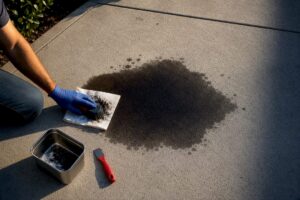
Biofilm is the invisible, sticky layer that forms when bacteria colonize the scratches and pores inside a plastic bin. Standard rinsing and light scrubbing leave up to 90% of residue behind, even when the bin looks clean to the eye. That residue is the source of the smell that comes back within days of washing.
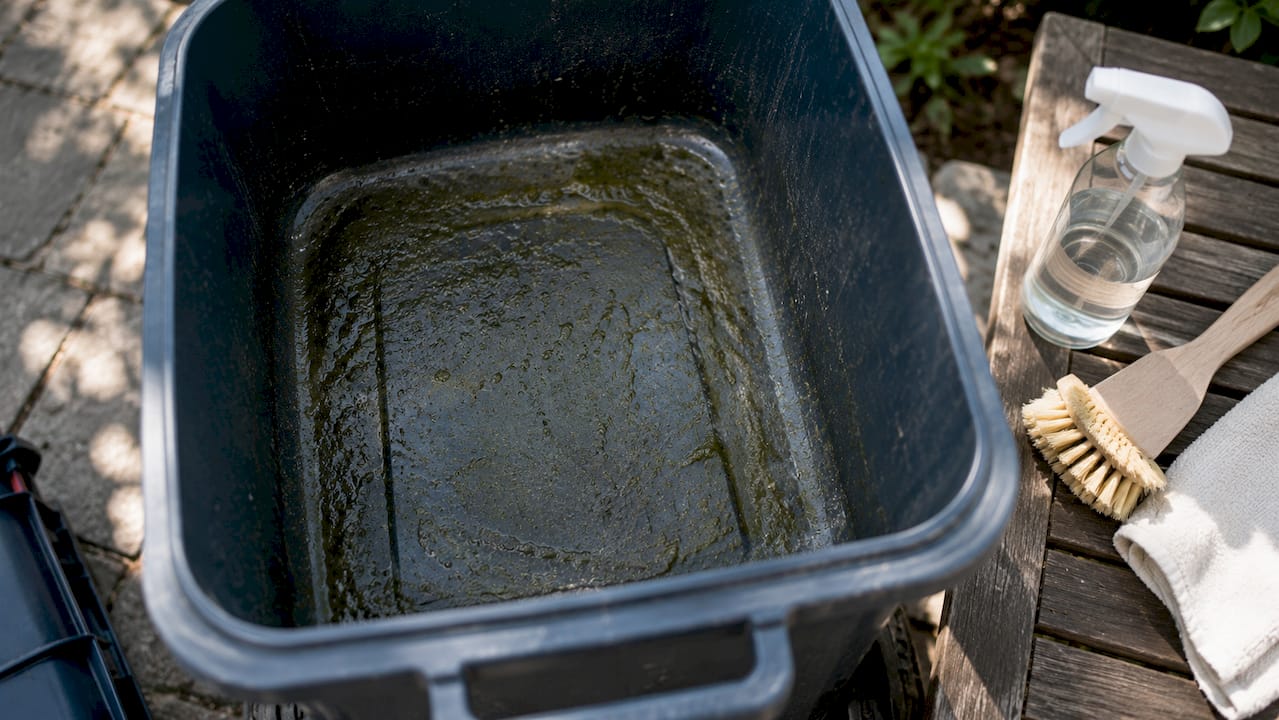
The problem is structural. Plastic bins develop micro-scratches from normal use, and bacteria anchor themselves inside those grooves. A garden hose and a brush can remove surface grime, but they cannot reach the deeper layers where odor-causing films live. Visible cleanliness masks the real problem.
Breaking down biofilm requires two steps most homeowners skip: pre-treatment and heat. Without softening the organic layer first, scrubbing just spreads it around.
- Pre-treat with a degreasing dish soap and let it sit for at least 10 minutes before scrubbing.
- Use a stiff-bristle brush, not a sponge, to physically break the film loose from grooves.
- Rinse with the hottest water available from your tap before a final wash.
- Dry the bin upside down in direct sunlight, which helps reduce remaining surface bacteria.
Pro Tip: Pour a kettle of boiling water into the bin before scrubbing. Boiling water pre-treatment is the most effective DIY method for breaking down grease and biofilm before you apply any cleaner.
2. Cold water and household cleaners cannot kill bacteria
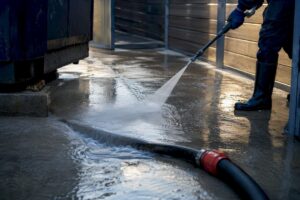
The temperature gap is the biggest flaw in most DIY bin cleaning routines. Bacteria require 140°F to 200°F to be killed effectively. A standard garden hose delivers water well below that threshold. Cold water pressure washing does not kill bacteria. It moves them around the bin and onto your driveway.
Household cleaners have their own limits. Vinegar and baking soda are popular DIY choices, but they neutralize only about 40% of odor-causing bacteria. That leaves the majority of pathogens alive and ready to recolonize the bin within days. Professional enzyme cleaners, by contrast, eliminate up to 95% of bacteria by breaking down the organic matter bacteria feed on.
Bleach sounds like the obvious fix, but it creates a different problem entirely.
- Bleach does not penetrate organic material. It sits on top of the bacteria layer rather than reaching the pathogens underneath.
- Bins that have held ammonia-based cleaners or certain organic waste can react with bleach to produce toxic chloramine gas.
- Mixing bleach with ammonia residue is a documented chemical hazard that can cause respiratory irritation and worse in enclosed spaces like garages.
- Even when bleach is used safely, it degrades quickly on contact with organic matter and loses effectiveness before it can sanitize the bin wall.
“DIY cleaning only removes surface grime, while pathogens reside deep in plastic pores and biofilms. Reaching those pathogens requires physical sanitization at temperatures and pressures that standard home equipment cannot produce.”
The practical takeaway: if you are cleaning with cold water and a household cleaner, you are reducing odor, not eliminating the health risk.
3. Contaminated wastewater is a legal and environmental problem
Most homeowners do not think about where the dirty water goes when they wash a bin on the driveway. That water contains bacteria, food residue, cleaning chemicals, and organic particulates. Discharging it into a storm drain can violate the Clean Water Act, which prohibits releasing contaminated water into storm systems that flow directly to local waterways.
Storm drains are not connected to water treatment plants. Whatever goes in comes out in a creek, river, or lake. That matters for your neighborhood, not just for regulatory compliance.
Safe disposal options do exist for homeowners who want to do this right:
- Direct the rinse water to a lawn or garden bed, where soil filters out some contaminants before they reach groundwater.
- Use an indoor utility sink or floor drain connected to the sanitary sewer, which routes water to a treatment facility.
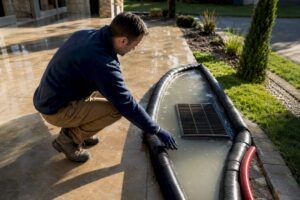
- Collect wastewater in a bucket or tub and dispose of it through an indoor drain.
- Never direct bin wash water toward a storm drain, a ditch, or a natural waterway.
The eco-friendly bin cleaning approach requires planning your setup before you start washing, not after the water is already running down the driveway.
Statistic callout: Environmental regulations prohibit storm drain discharge of contaminated wastewater from bin cleaning specifically to protect local waterways from bacterial and chemical contamination.
4. Physical difficulty and inconsistency cause most DIY routines to fail
DIY bin cleaning starts strong and fades fast. The pattern is consistent: homeowners clean their bins in the spring, keep it up for a few weeks, and abandon the routine by July when the heat, smell, and physical effort become unpleasant. By late summer, the residue has hardened and the job is significantly harder than it was in april.
Hardened residue is not just an inconvenience. It bonds to the bin surface over time, making it resistant to the same scrubbing that would have removed it weeks earlier. The longer the gap between cleanings, the more effort the next session requires. That discouragement cycle is why many homeowners abandon the routine within 3 to 4 months and eventually need a professional deep clean to reset the bin.
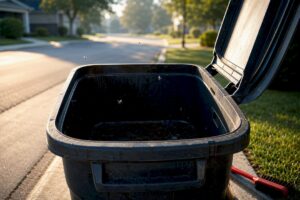
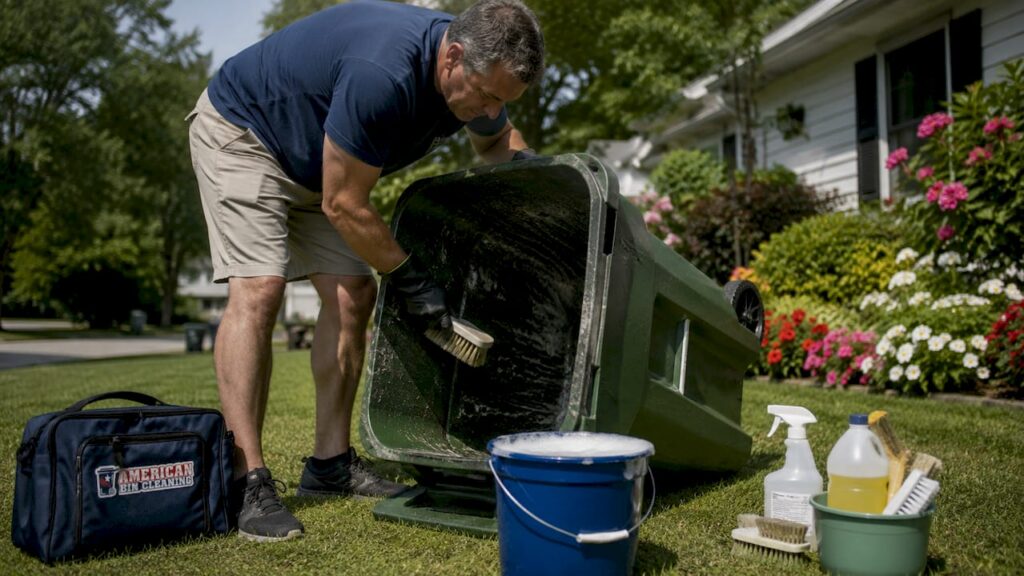
The physical demands are real. Scrubbing the inside of a large 96-gallon bin requires bending, reaching, and sustained effort that most people underestimate until they are doing it in August heat next to a bin full of fermented waste.
- Set a fixed cleaning schedule tied to trash pickup day, not to how bad the bin smells.
- Clean bins immediately after they are emptied, when residue is at its softest.
- Keep your cleaning supplies in one dedicated spot so setup time does not become a reason to skip.
- Rotate between a monthly deep clean and a quick rinse on off weeks to prevent buildup from hardening.
Pro Tip: Tie your bin cleaning schedule to a recurring calendar reminder set for the day after trash pickup. Cleaning an empty bin right after collection takes a fraction of the effort compared to cleaning one that has sat for weeks.
Reviewing common garbage bin cleaning mistakes before you start a routine helps you avoid the habits that cause most homeowners to give up.
5. Dirty bins spread contamination inside your home
The health risk from a dirty bin does not stay outside. Bacteria and airborne particles from a contaminated bin can spread indoors through garages and entryways, reaching surfaces where children and pets come into contact with them. A bin stored in an attached garage is essentially a bacteria source sitting inside your home’s air envelope.
Flies and pests accelerate this problem. A bin with organic residue attracts flies, which then carry bacteria from the bin to food preparation surfaces. Rodents follow odor trails from bins into garages and then into homes. The family safety implications of a neglected bin go well beyond a bad smell.
Consistent cleaning breaks this cycle. A sanitized bin does not attract pests at the same rate, which reduces the indirect contamination risk inside your home.
6. DIY equipment rarely meets the minimum standard for real sanitization
Effective bin sanitization requires hot water pressure washing, wastewater capture, and enzyme-based cleaners. Most homeowners own none of these. A standard garden hose delivers low pressure and cold water. A rented pressure washer adds force but not heat, and it creates more contaminated runoff without a capture system.
Effective DIY bin cleaning requires a hot water pressure washer, a wastewater capture tarp or basin, and enzyme cleaners, none of which are standard household items. Buying that equipment for occasional home use rarely makes financial sense compared to scheduling a professional clean. The real cost of DIY cleaning includes equipment, time, water, and the ongoing risk of incomplete sanitization.
Key takeaways
DIY bin cleaning fails most often because cold water, household cleaners, and inconsistent schedules cannot eliminate the biofilm, bacteria, and residue that cause persistent odors and health risks.
| Point | Details |
|---|---|
| Biofilm survives light scrubbing | Up to 90% of residue remains after standard rinsing; pre-treatment and heat are required to break it down. |
| Cold water does not sanitize | Bacteria die at 140°F to 200°F; a garden hose cannot reach that threshold. |
| Wastewater disposal is regulated | Storm drain discharge of bin wash water can violate the Clean Water Act; use indoor sanitary drains instead. |
| Inconsistency causes buildup | Most homeowners abandon cleaning routines within 3 to 4 months, allowing residue to harden and odors to return. |
| Equipment gaps limit results | Real sanitization requires hot water pressure washing and enzyme cleaners, not standard household tools. |
What I’ve learned after years of watching homeowners struggle with this
I have seen the full range of DIY bin cleaning attempts, from the homeowner who pressure washes with cold water every week and wonders why the smell never leaves, to the one who pours bleach directly into a bin that held cat litter and creates a gas cloud in the garage. Both are trying. Neither is getting the result they want.
The honest reality is that DIY bin cleaning can work, but only with the right setup and realistic expectations. Boiling water pre-treatment, enzyme cleaners, a stiff brush, and a consistent schedule will get you meaningfully better results than a cold rinse and some dish soap. The gap between “looks clean” and “actually sanitized” is wider than most people expect.
What I see homeowners consistently underestimate is the wastewater problem. They focus on the bin and ignore where the dirty water goes. That is both an environmental issue and a legal one, and it is the part of DIY cleaning that is hardest to solve without purpose-built equipment.
My honest recommendation: if you have the time, the right tools, and a proper drain setup, a disciplined DIY routine is worth doing. If you are working with a garden hose, a driveway, and a busy schedule, a professional service will deliver better sanitation, safer wastewater handling, and a bin that stays cleaner between visits. The professional cleaning process is not complicated to understand, and knowing what it involves helps you decide whether DIY is actually meeting your standard.
— Jim
When professional bin cleaning makes more sense than DIY
Abcbins has been handling residential bin cleaning throughout Chicagoland since 1989, and the service is built specifically around the problems DIY cleaning cannot solve.
The process uses high-pressure hot water and enzyme-based cleaners to kill 99.99% of bacteria, reaching the biofilm layers that scrubbing misses. All wastewater is captured in an onboard recycling system, so nothing runs off into storm drains or your yard. You do not need to be home. Abcbins handles everything at the curb on your regular pickup day. Service plans run monthly, bi-monthly, quarterly, or on-demand, so you can match the schedule to your bin’s actual needs. If you are in the Chicagoland area, professional bin cleaning in Barrington or a nearby service location is a straightforward way to get the sanitation results that DIY routinely falls short of.
FAQ
What bacteria live in a dirty trash bin?
Dirty trash bins harbor over 400 bacteria per square inch, including Salmonella, E. coli, and Listeria. These pathogens survive in biofilm layers that standard rinsing does not remove.
Does vinegar kill bacteria in a trash bin?
Vinegar neutralizes only about 40% of odor-causing bacteria, leaving the majority of pathogens alive. Enzyme-based cleaners are significantly more effective, eliminating up to 95% of bacteria.
Can I pour bin wash water down the storm drain?
No. Wastewater from bin cleaning contains bacteria, chemicals, and organic residue that can violate the Clean Water Act if discharged into storm drains. Use an indoor sanitary drain or direct the water to a lawn area instead.
How often should I clean my trash bin?
A monthly deep clean prevents biofilm from hardening and keeps odors from returning. Cleaning immediately after the bin is emptied on pickup day makes the job faster and more effective.
Why does my bin smell bad even after I wash it?
Persistent odor after washing almost always means biofilm remains in the bin’s micro-scratches. Cold water and light scrubbing leave up to 90% of residue behind. Hot water pre-treatment and enzyme cleaners are needed to break down the odor source at its root.