Bin cleaning is a direct factor in HOA compliance, affecting sanitation standards, pest control, and neighborhood appearance in equal measure. The role of bin cleaning in HOA compliance has grown significantly as of 2026, with HOAs expanding maintenance requirements to include waste container hygiene alongside traditional placement rules. A dirty bin is no longer just an eyesore. It can trigger a formal violation notice, a fine, or a nuisance complaint that lands on your board’s desk. Understanding what your HOA expects, and how professional bin cleaning supports those expectations, keeps you compliant and your neighborhood looking its best.
How do HOA rules typically address bin cleanliness?
HOA bin maintenance rules fall into two broad categories: placement and condition. Most homeowners know the placement rules. Fewer realize that condition rules carry equal weight.
On the placement side, typical HOA regulations require bins to be stored out of sight, whether inside a garage, behind a fence, or in a screened enclosure. Bins must be removed from the curb within 12–24 hours after collection. Leaving a bin at the curb through the following morning is one of the most common violations boards issue notices for.
On the condition side, the rules are less obvious but just as enforceable. Many HOAs include language in their CC&Rs that addresses nuisance, odor, and aesthetic standards. Bin cleanliness enforcement often stems from these broad nuisance or aesthetic clauses rather than explicit bin cleaning laws. That means a bin that smells, attracts pests, or looks visibly soiled can qualify as a violation even if your HOA has no rule that says “clean your bins.”
Common bin cleanliness requirements found in HOA governing documents include:
- Bins must be free of visible residue, mold, or decomposing material on the exterior
- Lids must close fully, with no overflow or odor escaping
- Bins must not attract insects, rodents, or other pests
- Damaged or cracked bins that cannot be properly sealed must be replaced
- Bins used for recycling must be rinsed before placement at the curb
Violations typically follow a notice and cure process. Your board sends a written notice, gives you a set period to correct the issue, and then levies a fine if the problem persists. Skipping that process exposes the board to legal liability, so most follow it closely.
What is the impact of dirty bins on neighborhood aesthetics?
Dirty trash bins contribute to neighborhood odor, pest problems, and reduced curb appeal. That combination directly affects property values and resident satisfaction. A single neglected bin on a block can generate complaints from multiple neighbors, creating board workload that compounds over time.
The connection between bin cleanliness standards and pest control is direct. Decomposing organic material inside a bin produces odors that attract flies, raccoons, and rodents. Pest control issues and odors are among the most common triggers for HOA nuisance violations beyond placement rules. A bin that smells from the street is a bin that will eventually generate a complaint.
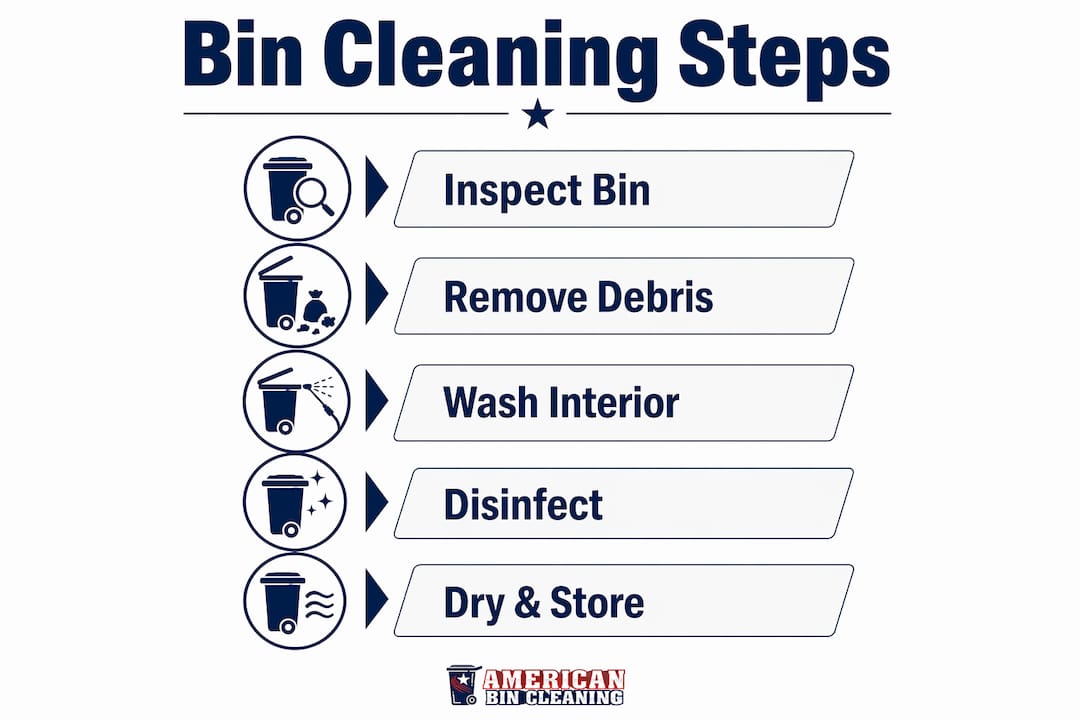
Pro Tip: Clean bins from the inside out. The exterior may look fine while the interior harbors the bacteria and residue that cause odors and attract pests. A hose-down alone does not eliminate the problem. Learn more about why bins need deeper cleaning than most homeowners realize.
The aesthetic benefits of clean bins extend beyond individual properties. Communities with consistent bin cleanliness standards experience fewer complaints and better curb appeal overall. That matters for property value retention, especially in HOA communities where appearance standards are part of what buyers pay a premium for. Clean bins also reduce the visual clutter that makes a neighborhood feel neglected, even when homes themselves are well maintained.
Key aesthetic and sanitation benefits of maintaining clean bins include:
- Reduced odor at the curb and near storage areas
- Fewer pest sightings and pest-related complaints to the board
- Improved visual consistency across the community
- Lower likelihood of triggering a nuisance violation
- Better first impressions for visitors and prospective buyers
How are HOAs enforcing bin cleanliness standards?
HOA enforcement of bin cleanliness follows a legal framework that protects both the board and the homeowner. Boards must enforce rules uniformly and provide opportunities to correct violations before levying fines. Selective enforcement, where one homeowner is cited while a neighbor with the same issue is not, exposes the board to legal challenges and undermines community trust.
The enforcement process typically works in four steps:
- Written notice. The board or its management company sends a formal notice identifying the specific violation and the rule it violates.
- Cure period. The homeowner receives a defined window, often 14–30 days, to correct the problem.
- Reinspection. The board or manager confirms whether the issue has been resolved.
- Fine. If the violation persists, a fine is assessed according to the schedule in the governing documents.
HOAs have contractual rights to enforce bin cleanliness when rules are written, consistently applied, and preceded by proper notice. Without written rules, enforcement is limited. Verbal instructions from a board member carry no legal weight.
“Homeowners should request to see specific written rules if cited for bin cleanliness violations, as verbal or unwritten rules are rarely enforceable.” Knowing your rights protects you from arbitrary enforcement and gives you a clear path to resolve disputes.
Clear communication by HOA boards is the single most effective tool for reducing violations and disputes. Regular reminders about bin standards, sent before summer when odors peak, prevent most issues before they become formal complaints. Homeowners with documented disabilities also have the right to request reasonable accommodations before a fine is issued.
What role can professional bin cleaning play in HOA compliance?
Professional bin cleaning is the most reliable way to meet HOA bin cleanliness standards consistently. Homeowners are legally responsible for bin sanitation in most jurisdictions. Municipal waste collection does not include bin cleaning, and excess soiling can lead to fees or forced replacement. That responsibility falls entirely on the homeowner.
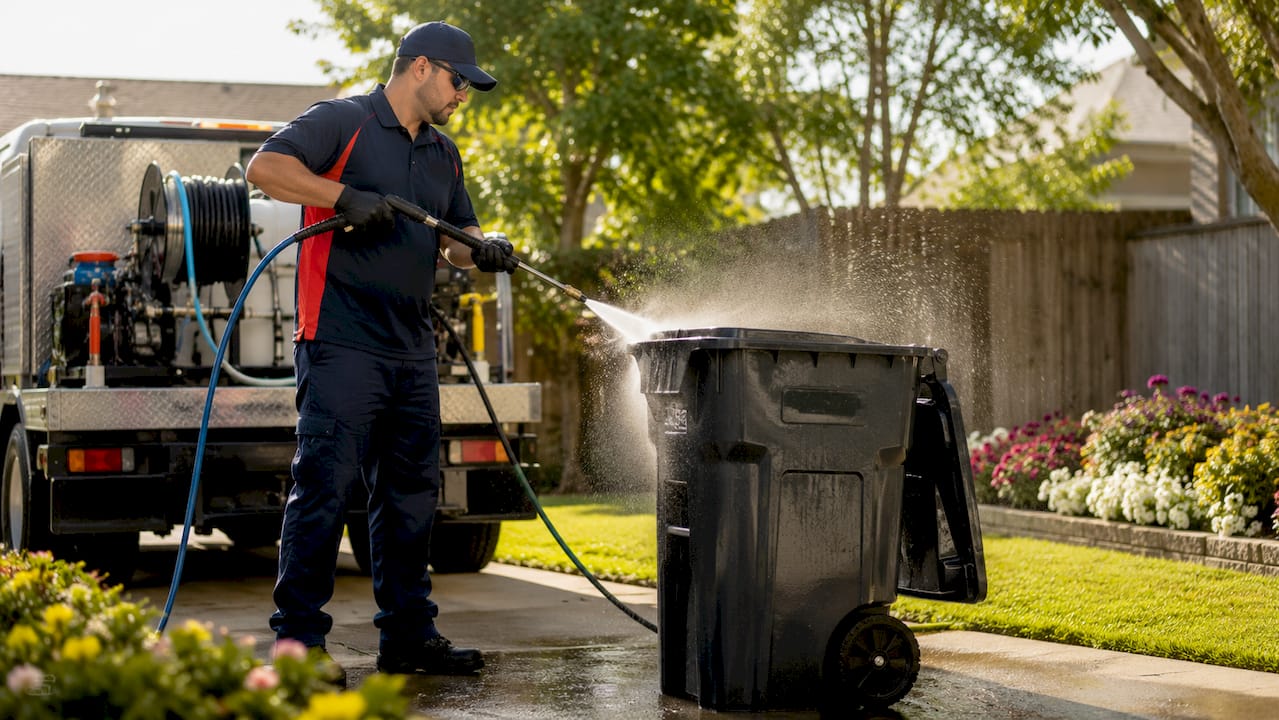
DIY cleaning with a garden hose addresses surface dirt but rarely eliminates the bacteria, mold, and residue that cause odors and attract pests. Professional services use high-pressure hot water systems that reach temperatures and pressures no garden hose can match. Abcbins, for example, uses an eco-friendly, high-pressure process that kills 99.99% of bacteria while capturing all wastewater in an onboard recycling system. Nothing runs off into the street or storm drains.
| Cleaning method | Odor elimination | Pest deterrence | HOA compliance support |
|---|---|---|---|
| Garden hose rinse | Partial | Minimal | Low |
| DIY with cleaning products | Moderate | Moderate | Moderate |
| Professional high-pressure service | Complete | Strong | High |
Proactively scheduling professional bin cleaning reduces complaints and HOA enforcement actions triggered by odor and pest nuisance issues. A quarterly or monthly service plan removes the guesswork and keeps bins in compliance without requiring the homeowner to be present. Abcbins handles everything curbside, so you do not need to be home for the service.
Pro Tip: If your HOA is considering a community-wide bin cleaning program, HOA bin cleaning services can be structured as a community benefit, reducing board workload and improving compliance rates across all residents at once.
The cost difference between professional service and DIY is smaller than most homeowners expect when you factor in time, water use, cleaning products, and the risk of a fine for a bin that still does not meet standards. A professional service delivers a documented, consistent result every time.
Key Takeaways
Bin cleaning is a compliance requirement in most HOA communities, not an optional maintenance task, and professional service is the most reliable way to meet those standards.
| Point | Details |
|---|---|
| HOA rules cover bin condition | CC&Rs and nuisance clauses allow fines for dirty, odorous, or pest-attracting bins. |
| Enforcement requires written rules | Verbal or unwritten bin cleanliness rules are rarely enforceable; always request documentation. |
| Dirty bins affect property values | Odor, pests, and visual clutter from neglected bins reduce curb appeal and resident satisfaction. |
| Homeowners bear legal responsibility | Municipal waste collection does not include bin cleaning; sanitation is the homeowner’s obligation. |
| Professional cleaning outperforms DIY | High-pressure hot water service eliminates bacteria and odors that a garden hose cannot reach. |
What I’ve learned after years of watching HOA bin disputes play out
The homeowners who avoid bin violations are almost never the ones who read their CC&Rs most carefully. They are the ones who treat bin maintenance as a routine, not a reaction. They schedule cleaning before summer, not after their first notice.
What surprises most people is how often bin complaints come from neighbors, not board inspections. A board member walking the community once a month will miss a lot. A neighbor who smells something every Tuesday morning will not. That social pressure is real, and it is a stronger enforcement mechanism than most boards realize.
The other thing I have seen repeatedly is homeowners fighting fines for violations they could have resolved for less than the cost of the fine itself. A professional cleaning service costs a fraction of what most HOAs charge per violation. The math is straightforward. The resistance is usually habit, not logic.
HOAs that include sanitation in HOA communities as part of a broader community maintenance culture see fewer disputes overall. When everyone understands the standard and has an easy way to meet it, compliance stops being a conflict and starts being a shared expectation. That shift is worth more than any enforcement policy.
— Jim
Abcbins keeps your bins compliant, so your board never has to knock
Staying ahead of HOA bin cleanliness standards takes consistency, and consistency is exactly what a professional service delivers. Abcbins has served Chicagoland homeowners since 1989 with eco-friendly, high-pressure bin cleaning that kills 99.99% of bacteria, eliminates odors, and keeps pests away from your property.
No need to be home. No mess. No runoff. Abcbins captures all wastewater onboard, so your driveway and storm drains stay clean. Service plans run monthly, bi-monthly, quarterly, or on-demand, making it easy to match your schedule to your HOA’s expectations. Homeowners in Barrington can get started with professional bin cleaning today and stop worrying about the next community inspection.
FAQ
What bin rules do most HOAs enforce?
Most HOAs require bins to be stored out of sight and removed from the curb within 12–24 hours after collection. Many also enforce cleanliness standards through nuisance and aesthetic clauses in their CC&Rs.
Can an HOA fine you for a dirty trash bin?
Yes, an HOA can fine you for a dirty bin if the rule is written in the governing documents, enforced consistently, and preceded by a written notice with a cure period.
Is bin cleaning the homeowner’s responsibility or the waste collector’s?
Bin cleaning is the homeowner’s responsibility. Municipal waste collection services do not clean bins, and homeowners bear legal responsibility for maintaining sanitary containers in most jurisdictions.
How often should bins be professionally cleaned to stay compliant?
Quarterly cleaning is a practical minimum for most HOA communities, with monthly service recommended during warmer months when odors and pest activity increase.
What should I do if I receive an HOA bin violation notice?
Request the specific written rule your bin allegedly violates, correct the issue within the stated cure period, and document the correction with photos. If no written rule exists, the fine may not be enforceable.