High-pressure cleaning sanitizes outdoor surfaces by combining two distinct actions: mechanical force strips away dirt, biofilm, and organic debris, then chemical agents kill the microorganisms that remain. Pressure washing alone, operating at 2,000–4,000 PSI, removes visible grime but does not eliminate the biological organisms causing stains and odors. True sanitization requires a second step. Sodium hypochlorite, the primary chemical used by professionals, kills mold, mildew, algae, and bacteria through oxidation. Understanding how high-pressure cleaning sanitizes means recognizing that mechanical removal and chemical treatment are not interchangeable. They work together, and skipping either step leaves your property only partially clean.
How does high-pressure cleaning mechanically remove contaminants?
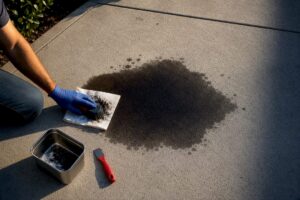
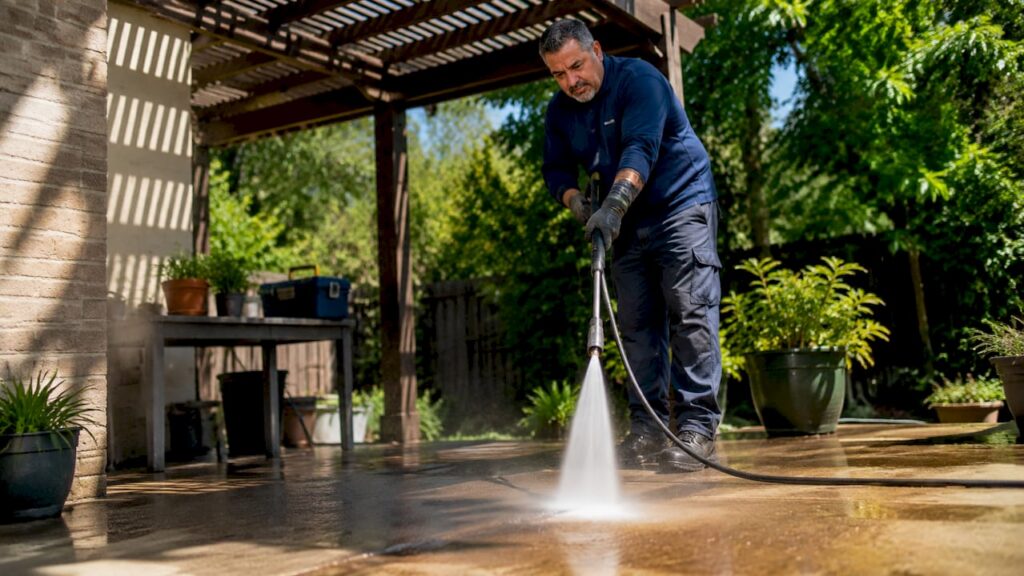
Pressure washing physically blasts away dirt at 2,000–4,000 PSI but does not kill the biological organisms causing stains. That distinction matters more than most homeowners realize. The mechanical force dislodges compacted grime, algae mats, and organic debris that have built up on concrete, brick, and wood surfaces. Removing that layer is not optional. Disinfectants lose efficacy if applied over organic debris because chemicals cannot reach pathogens buried beneath a layer of dirt.
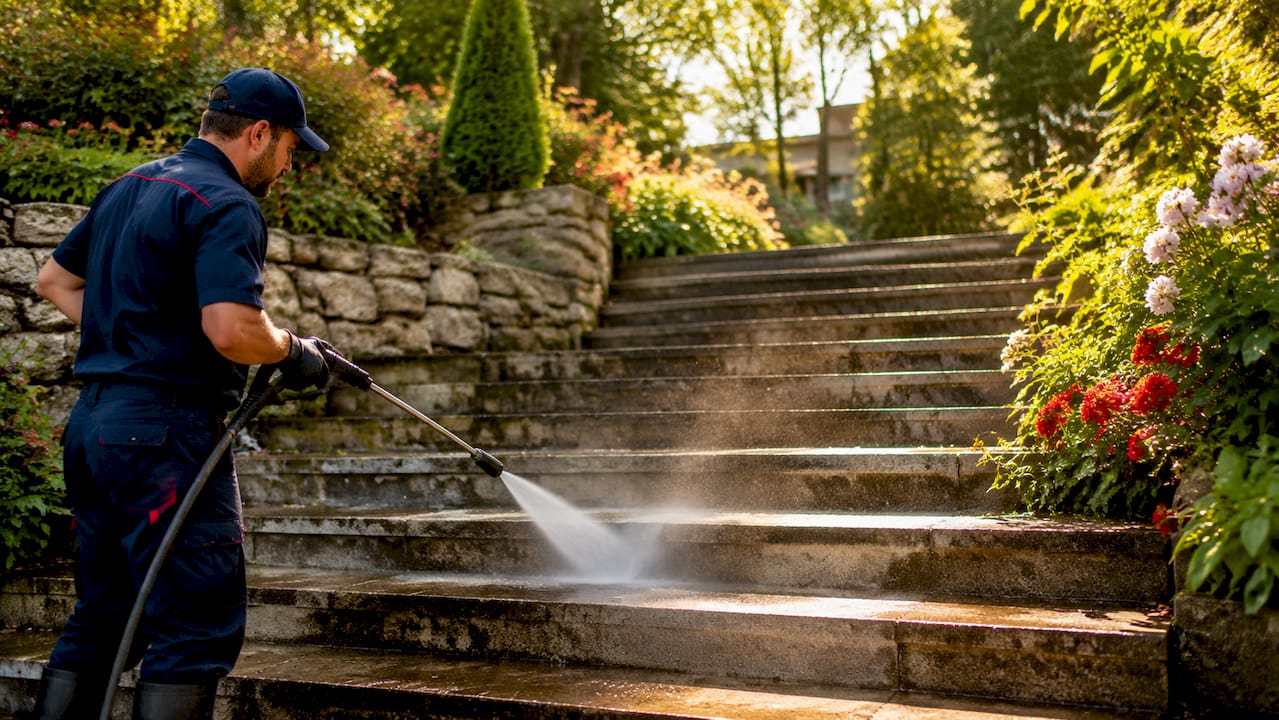
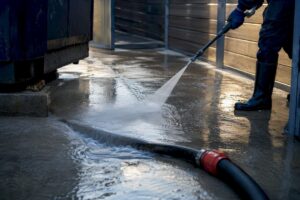
Pressure washing differs from rinsing in one critical way: volume and force. A garden hose delivers water at low velocity, which loosens surface dust but leaves biofilm intact. A pressure washer concentrates water into a high-velocity stream that physically shears contaminants off the surface. Think of it like the difference between wiping a counter with a damp cloth versus scrubbing it with a stiff brush.
High PSI is not always better. Excessive pressure can strip protective coatings, splinter wood, and create microscopic cracks where bacteria hide, making future disinfection harder. Matching pressure to surface type is the first decision every homeowner or property manager needs to make before starting.
- Concrete and brick: Handle 2,500–4,000 PSI without damage
- Wood decks and fences: Stay below 1,500 PSI to avoid splintering
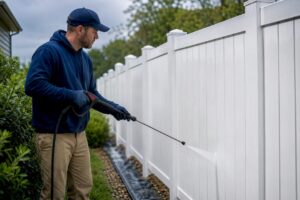
- Vinyl siding: Use 1,200–1,500 PSI maximum
- Roofing shingles: Require soft wash only; high pressure voids most manufacturer warranties
Pro Tip: Start at the lowest effective pressure setting and work up. You can always increase force, but you cannot undo surface damage from a setting that was too high.
What chemical agents achieve true sanitization?
Sodium hypochlorite (SH) is the main chemical used professionally at 10–12.5% concentration, killing mold, mildew, algae, and bacteria through oxidation. That oxidation process breaks down the cell walls of microorganisms at the molecular level, which is why chemical treatment is the only step that actually sanitizes. Mechanical pressure removes the organisms’ shelter. The chemistry does the killing.
Professionals do not apply SH at full strength. Dilution to roughly 1–2% is standard for most outdoor surfaces. Surfactants are added to the mix to improve cling and dwell time, especially on vertical surfaces like siding or fences where a thin liquid would run off before it could work. Household bleach is weaker and contains additives that reduce its effectiveness outdoors, which is why professional-grade SH produces better results.
Chemical selection must match the surface. SH reacts with aluminum, causing oxidation and staining. Neutral detergents are safer for metal surfaces and for situations where you are unsure about compatibility. Hot water pressure washing is another option: units that heat water above 165°F dissolve greases and oils faster than cold water, though hot water units cost roughly double their cold-water counterparts.
- Sodium hypochlorite: Best for mold, mildew, algae, and bacteria on concrete, brick, and siding
- Neutral detergents: Safer for metal surfaces and general-purpose cleaning
- Surfactants: Added to SH solutions to extend dwell time on vertical surfaces
- Hot water: Effective for grease and oil without extra chemicals, but at higher equipment cost
Pro Tip: Before applying any chemical, wet nearby plants and grass with plain water. Rinse them again immediately after cleaning. SH dilutes quickly, but a pre-wet buffer protects landscaping from accidental exposure.
How does high-pressure sanitizing differ from simple rinsing or cleaning?
Rinsing removes visible grime. Sanitizing kills pathogens. Those are two different outcomes, and confusing them is the most common mistake homeowners make when cleaning outdoor surfaces.
Effective outdoor sanitization is a two-step process: mechanical cleaning removes organic grime first, then targeted chemical treatment is applied where exposure occurs. Skipping step one undermines step two completely. A thick layer of organic matter acts as a physical shield, preventing sanitizing chemicals from contacting the microorganisms underneath. You can apply the strongest disinfectant available and still fail to sanitize if the surface was not mechanically cleaned first.
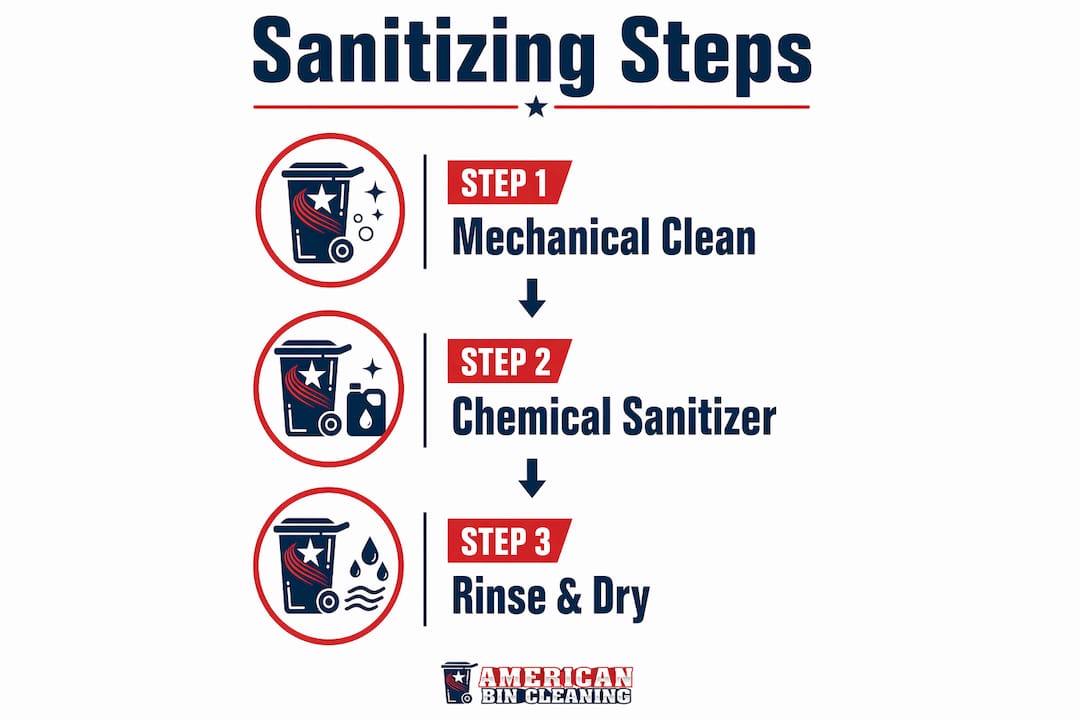
The EPA and CDC both recognize this sequence in their outdoor sanitation guidance: clean before you disinfect. The principle applies whether you are treating a playground, a dumpster pad, or a residential driveway.
| Method | Removes visible dirt | Kills pathogens | Delays regrowth |
|---|---|---|---|
| Rinsing with a hose | Partially | No | No |
| Pressure washing only | Yes | No | Minimal |
| Pressure washing plus chemical sanitizer | Yes | Yes | Yes, significantly |
The table makes the gap clear. Pressure washing alone is like mowing a lawn: it removes visible growth but leaves the roots intact to regrow. Adding a chemical sanitizer after mechanical cleaning is what produces lasting results. Proper sanitization requiring mechanical then chemical treatment achieves 99.9% pathogen reduction necessary for high-traffic or food-adjacent areas.
Which surfaces are best suited for high-pressure sanitizing?
Concrete and brick are the ideal candidates for full-pressure sanitizing. Both materials are dense enough to handle 2,500–4,000 PSI without surface damage, and their porous texture benefits most from the combination of mechanical force and chemical penetration. Driveways, sidewalks, patios, and brick retaining walls fall into this category.
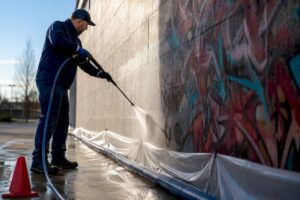
Delicate surfaces require a different approach entirely. Improper high-pressure washing can damage vinyl, stucco, and roofs, causing cracks, etching, or moisture intrusion. Most major shingle manufacturers require soft wash to maintain warranty coverage. Pressure washing a roof voids it. Soft washing applies sodium hypochlorite solutions at under 100 PSI, protecting the surface while still achieving full chemical sanitization.
Wood surfaces sit in the middle. A deck or fence can handle moderate pressure, but the grain direction matters. Spraying across the grain forces water into the wood fibers and can cause swelling or splintering. Always spray parallel to the grain on wood surfaces.
Do’s and don’ts for surface-safe sanitizing:
- Do test pressure on a small, hidden area before treating the full surface
- Do use soft wash for roofs, vinyl siding, and painted wood
- Do rinse the surface with clean water after chemical treatment
- Don’t use SH on aluminum, copper, or unpainted metal
- Don’t apply high pressure to surfaces with existing cracks or loose mortar
- Don’t skip the mechanical cleaning step before applying sanitizers
Pro Tip: Schedule pressure washing in the morning on a cloudy day. Direct sunlight causes chemical solutions to evaporate before they reach full dwell time, reducing sanitizing effectiveness.
What are the benefits of proper high-pressure sanitizing?
Soft washing with sodium hypochlorite at low pressure kills organic spores at the root, resulting in surfaces staying clean 3–5 times longer than pressure washing alone. That extended cleanliness is the most practical benefit for homeowners and property managers who want results that last through multiple seasons, not just a few weeks.
Health benefits follow directly from effective pathogen reduction. High-touch outdoor areas like deck railings, driveway aprons, and trash bin pads harbor bacteria and mold that transfer to hands and shoes. Regular sanitizing cycles reduce that microbial load and lower the risk of cross-contamination into living spaces.
Routine cleaning suffices for most outdoor spaces. Over-disinfection harms the environment and is only justified in high-risk scenarios like food-adjacent areas or spaces used by immunocompromised individuals. Targeted chemical use, applied after thorough mechanical cleaning, delivers the best outcome with the least environmental impact.
Property value and curb appeal are real, measurable benefits too. A clean driveway, sanitized deck, and stain-free siding signal maintenance to buyers and neighbors alike. The role of pressure washing in property upkeep extends beyond aesthetics. It prevents the biological staining that, left untreated, degrades surface materials over time and leads to costly repairs.
- Extended cleanliness: Chemical kill delays regrowth by 3–5 times compared to pressure alone
- Pathogen reduction: Targets bacteria, mold, and algae on high-contact outdoor surfaces
- Property protection: Prevents biological staining from degrading concrete, wood, and siding
- Environmental care: Targeted chemical use reduces runoff compared to broad-spectrum disinfection
Key Takeaways
High-pressure cleaning sanitizes only when mechanical removal of organic debris is followed by a properly diluted chemical treatment, such as sodium hypochlorite, applied with dwell time sufficient to kill pathogens at the cellular level.
| Point | Details |
|---|---|
| Two-step process is required | Mechanical cleaning must come before chemical sanitization for pathogens to be reached. |
| Sodium hypochlorite is the standard | Professionals use SH at 10–12.5% concentration, diluted to 1–2% for surface application. |
| Surface type dictates method | Concrete handles high PSI; vinyl, roofs, and wood require soft wash under 100 PSI. |
| Chemical kill extends cleanliness | Surfaces treated with SH stay clean 3–5 times longer than those pressure washed without chemicals. |
| Rinsing is not sanitizing | A garden hose or pressure wash alone removes dirt but leaves pathogens alive and active. |
Why I think most homeowners are solving only half the problem
After years of watching how people approach outdoor cleaning, one pattern stands out: almost everyone focuses on the visible result and stops there. A driveway looks clean after a good pressure wash, so the job feels done. The problem is that looking clean and being sanitized are not the same thing.
Aggressive pressure without chemistry only cleans visually, not biologically. The mold spores, algae roots, and bacteria that caused the staining in the first place are still present. They regrow within weeks, sometimes faster than before, because the surface disturbance creates new entry points. That cycle of frequent re-cleaning is expensive and unnecessary.
The soft wash approach solves this, but homeowners are often reluctant to use chemicals outdoors. That reluctance is understandable, but it leads to worse outcomes. EPA-compliant sodium hypochlorite solutions, properly diluted and rinsed, are far less harmful to the environment than the repeated mechanical disturbance of pressure washing the same surface four times a year.
My honest recommendation: use high pressure where the surface can handle it to remove bulk grime, then follow with a properly diluted chemical treatment and adequate dwell time. For sensitive surfaces like roofs, vinyl siding, or painted wood, skip the high pressure entirely and go straight to soft wash. If you are unsure about dilution ratios, dwell times, or chemical compatibility, that is exactly when professional service pays for itself. A professional pressure washing service gets the chemistry right the first time and protects surfaces that a DIY approach might damage.
— Jim
Abcbins brings professional sanitizing to your property
Abcbins has served Chicagoland homeowners and property managers since 1989, combining high-pressure mechanical cleaning with properly applied chemical sanitizers to deliver results that last.
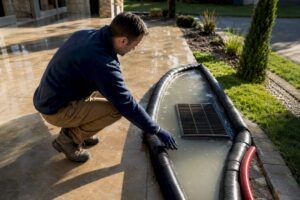
Every Abcbins service uses eco-friendly chemicals and captures all wastewater in an on-board recycling system, so nothing runs off into your yard, storm drains, or neighboring properties. Whether you need a driveway, deck, storefront, or trash bin cleaned and sanitized, the team handles the chemistry, the pressure settings, and the surface-specific approach so you do not have to. Explore residential pressure washing services or check the full homeowner service guide to find the right plan for your property.
FAQ
Does pressure washing alone sanitize a surface?
No. Pressure washing at 2,000–4,000 PSI removes visible dirt and organic matter but does not kill pathogens. A chemical sanitizer applied after mechanical cleaning is required for true sanitization.
What chemical is most effective for outdoor sanitizing?
Sodium hypochlorite is the professional standard, used at 10–12.5% concentration and diluted to 1–2% for surface application. It kills mold, mildew, algae, and bacteria through oxidation.
Can I pressure wash my roof to sanitize it?
No. Most shingle manufacturers require soft wash to maintain warranty coverage. High-pressure washing voids the warranty and can cause moisture intrusion. Soft wash applies sanitizing chemicals at under 100 PSI, which protects the surface while still killing biological growth.
How long do sanitizing results last compared to pressure washing alone?
Surfaces treated with sodium hypochlorite through soft washing stay clean 3–5 times longer than surfaces that were pressure washed without chemical treatment, because the chemical kills spores at the root rather than just removing surface growth.
Is high-pressure sanitizing safe for plants and landscaping?
Yes, with proper precautions. Wet nearby plants with plain water before applying any chemical solution, and rinse them again immediately after cleaning. Properly diluted sodium hypochlorite dissipates quickly, and a pre-wet buffer prevents meaningful exposure to landscaping.