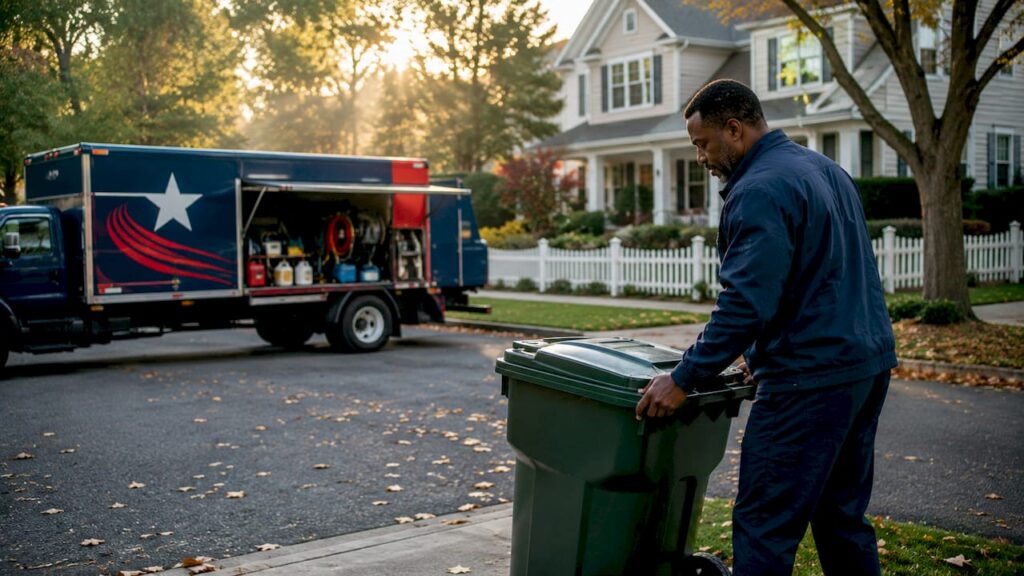
A curbside cleaning service is a subscription-based sanitation process that cleans, disinfects, and deodorizes residential waste bins directly at the curb, requiring no homeowner presence. Understanding how curbside cleaning service operates helps you see why it delivers far more than a quick rinse. The process follows a 5-step service sequence covering inspection, high-pressure washing, eco-friendly sanitization, drying, and scheduled repeats. Abcbins has delivered this service throughout Chicagoland since 1989, and the process is more thorough and more convenient than most homeowners expect.
How does curbside cleaning service operate step by step?
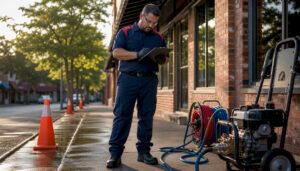
Professional bin cleaning, also called curbside bin sanitation, follows a defined sequence every time a technician visits. Each step builds on the last, and skipping any one of them leaves your bin partially cleaned at best.
Step 1: Inspection
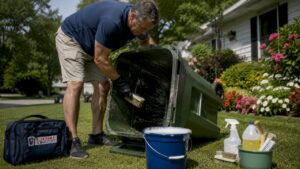
The technician checks each bin for stuck debris, pest activity, cracks, and heavy residue buildup before any water touches the container. This step takes about 30 seconds but prevents equipment damage and flags bins that need extra attention.
Step 2: High-pressure wash
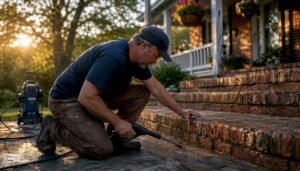
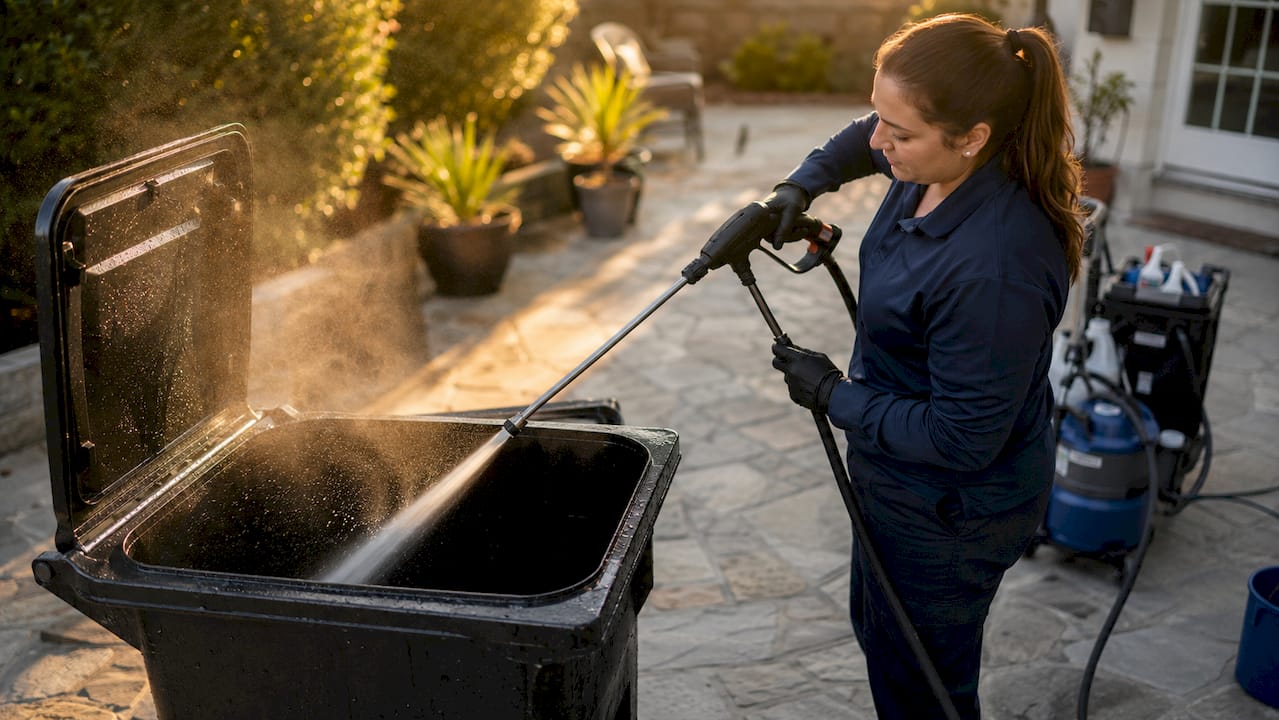
Technicians use specialized equipment to blast the interior and exterior of the bin with hot, high-pressure water. This removes caked-on food waste, grease, and grime that a garden hose cannot reach. You can see exactly what pressure cleaning removes from the inside walls of a typical residential bin.
Step 3: Eco-friendly sanitization
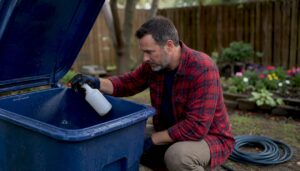
After washing, a sanitizing agent kills bacteria and neutralizes odors. Abcbins uses an eco-friendly process that kills 99.99% of bacteria while leaving no harmful residue on the bin or your driveway.
Step 4: Drying and deodorizing
The bin is left dry and odor-free before the technician moves to the next stop. A wet bin placed back in a garage or side yard quickly breeds mold, so this step matters more than it sounds.
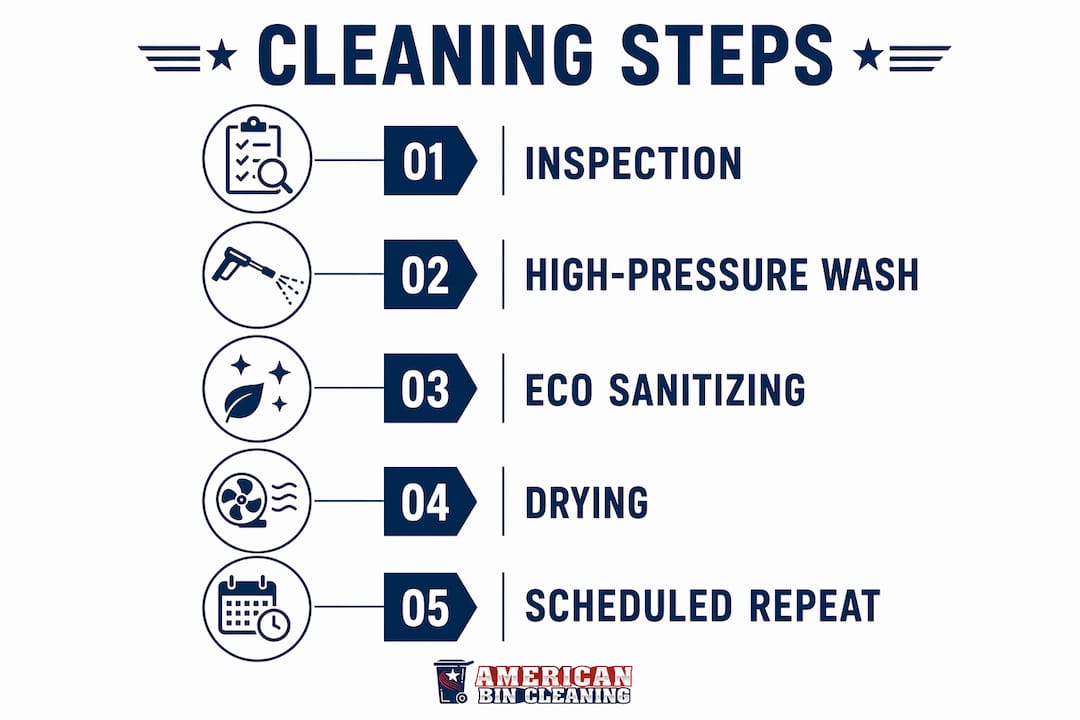
Step 5: Scheduled repeats
The service runs on a recurring plan. Abcbins offers monthly, bi-monthly, quarterly, and on-demand schedules so homeowners can match cleaning frequency to how heavily their bins are used.
Pro Tip: Monthly service is the right choice for households with young children, pets, or frequent food waste. Quarterly service works well for smaller households that use bins lightly.
How does curbside cleaning service scheduling and logistics work?
Scheduling is built around your existing trash pickup day. Service typically runs the day after trash collection, so bins are empty and already at the curb when the cleaning truck arrives. That timing removes the one task homeowners forget most often: remembering to put bins out.
Holiday weeks shift the schedule. Trash haulers move collection days forward or back, and bin cleaning routes follow the same adjustment. Holiday schedule changes can move service days anywhere between tuesday and sunday, so watching for service notifications during major holidays keeps you informed.
Key logistics homeowners should know:
- No presence required. You do not need to be home. Leave bins curbside after your regular trash pickup and the crew handles everything.
- Automated notifications. Abcbins sends a text or email confirmation when service is complete, so you always know your bins have been cleaned.
- Bin placement matters. Bins must be accessible and not blocked by parked cars, fences, or overgrown shrubs. A clear path to the curb is all the preparation required.
- Subscription billing. Route density drives pricing efficiency, which is why subscription plans cost less per visit than one-time calls. Recurring customers on a fixed route keep service prices stable.
- Missed appointments. If a bin is not out on service day, most providers reschedule for the next cycle. Contact your provider the same day if you need a makeup visit.
Pro Tip: Set a phone reminder for the evening before your scheduled cleaning day. Moving bins to the curb right after trash pickup takes 60 seconds and guarantees you never miss a visit.
Why curbside cleaning matters for health, pest control, and bin longevity
Homeowners consistently underestimate what lives inside an uncleaned bin. Bins are major breeding grounds for pests and pathogens, and a single cracked lid or food residue streak is enough to attract flies, maggots, raccoons, and rats. That is not an aesthetic problem. It is a health problem.
The health case for regular cleaning is direct:
- Bacteria and illness risk. Raw meat juices, spoiled food, and standing liquid create conditions where E. coli and Salmonella thrive. Families with young children who play near bins face the highest exposure risk.
- Pest attraction. Odor from organic residue travels far enough to draw wildlife from neighboring properties. A clean bin eliminates the scent signal that attracts pests in the first place.
- Bin lifespan. Professional cleaning extends bin life by removing corrosive organic acids that degrade plastic and metal over time. Replacing a municipal-grade bin costs more than years of cleaning service.
- Environmental runoff. DIY cleaning with a hose pushes contaminated water directly into storm drains. Professional rigs capture all wastewater on board, so nothing reaches the street or lawn.
The hidden health hazard sitting in your driveway is easy to ignore because bins look fine from the outside. The inside tells a different story after just a few weeks of summer heat.
How professional curbside cleaning compares to pressure washing and DIY methods
Professional bin cleaning is a specialized service, not a subset of general pressure washing. The differences affect cost, time, results, and environmental impact.
| Factor | Professional curbside cleaning | General pressure washing | DIY hosing |
|---|---|---|---|
| Time per bin | 2–5 minutes per stop | 15–30 minutes per session | 10–20 minutes |
| Sanitization | Yes, bacteria-killing agents used | No, water only | No |
| Wastewater handling | Captured on board, recycled | Runs off into drains | Runs off into drains |
| Scheduling | Recurring, automatic | One-time or seasonal | As needed |
| Equipment | Dedicated bin-cleaning trailer | General pressure washer | Garden hose |
| Cost model | Subscription, predictable | Per-job pricing | Time and water cost |
General pressure washing cleans surfaces well but does not sanitize. A pressure washer removes visible grime from a bin’s exterior but leaves bacteria on interior walls intact. DIY hosing is even less effective because residential water pressure rarely exceeds what is needed to loosen dried food residue.
Modern professional rigs recycle up to 80% of used water through onboard containment systems. That means no contaminated runoff on your driveway, no mess on the street, and no environmental violation. A garden hose sends all of that directly into storm drains.
The real cost of DIY bin cleaning includes your time, water usage, cleaning products, and the fact that you still do not achieve professional-grade sanitization. For most homeowners, the math favors a subscription.
What to expect on curbside cleaning service day
Service day requires almost nothing from you. The process is designed to fit into your existing routine without adding tasks.
Here is what to do and what to expect:
- After trash pickup, leave bins at the curb. The cleaning crew follows your trash hauler’s route, so bins already at the curb are ready to go.
- Clear the area around bins. Move vehicles, bikes, or recycling carts that block access. The technician needs a clear path to work efficiently.
- Do not bring bins in early. If you pull bins back to the garage before the cleaning crew arrives, you will miss the visit. Check your notification window before moving bins.
- Expect a quick turnaround. Each bin takes 2–5 minutes. The crew does not linger. You may not even notice they were there until you get the completion notification.
- Check the notification. Abcbins sends a text or email when your bins are done. That message confirms service and gives you the all-clear to bring bins back in.
Homeowners who want to skip being home entirely can do so without any special arrangement. The service is built for that scenario from the start.
Key Takeaways
Professional curbside bin cleaning follows a 5-step process that sanitizes bins, prevents pests, extends bin life, and requires zero effort from homeowners beyond leaving bins at the curb.
| Point | Details |
|---|---|
| 5-step cleaning process | Every visit covers inspection, pressure washing, sanitization, drying, and scheduling. |
| No homeowner presence needed | Leave bins curbside after trash pickup and receive a completion notification when done. |
| Health and pest prevention | Regular cleaning removes bacteria, eliminates odors, and cuts off the scent trail that attracts wildlife. |
| Bin lifespan protection | Removing corrosive organic residue prevents acid damage that degrades plastic and metal bins over time. |
| Eco-friendly wastewater handling | Professional rigs capture and recycle up to 80% of water used, keeping runoff off driveways and out of storm drains. |
What I have learned after years of watching this service evolve
The thing most homeowners get wrong about bin cleaning is treating it like a luxury. It is not. A bin that sits uncleaned through a Chicago summer becomes a genuine health hazard, not just an unpleasant smell. I have seen what grows inside residential bins after six weeks of heat, and it changes your perspective fast.
What surprises people most is how little they have to do. The subscription model exists precisely because bin dirtiness is not a one-time problem. Bins get dirty every single week. A service that runs automatically, follows your trash hauler, and sends you a notification when it is done is not a convenience upgrade. It is the only model that actually keeps up with the problem.
The environmental piece has also improved significantly. Older cleaning rigs left water running down the street. Current equipment captures and recycles the majority of water used per visit, which matters in communities with stormwater regulations. Abcbins has used onboard wastewater recycling since before most homeowners knew it was an option.
My honest recommendation: start with monthly service for the first year. You will see the difference in odor, pest activity, and bin condition within two or three cycles. After that, you can decide whether quarterly is enough for your household. Most people stick with monthly once they see what the inside of a clean bin actually looks like.
— Jim
Abcbins curbside bin cleaning: ready when your trash hauler is done
Abcbins has served Chicagoland homeowners since 1989 with professional, eco-friendly bin cleaning that fits around your existing trash schedule. No appointments to manage, no presence required, and no contaminated water left on your property.
Flexible plans cover monthly, bi-monthly, quarterly, and on-demand visits. Every service uses high-pressure hot water, bacteria-killing sanitization, and onboard wastewater recycling. Check availability for bin cleaning in Barrington, service in McHenry, or browse the full Abcbins service options to find the plan that fits your household.
FAQ
How does curbside bin cleaning work?
A technician inspects, pressure washes, sanitizes, and dries your bin at the curb after trash pickup. No homeowner presence is needed; you receive a text or email when service is complete.
What does professional curbside cleaning include?
Professional service includes a high-pressure hot water wash, eco-friendly bacterial sanitization, deodorizing, and wastewater containment. Abcbins kills 99.99% of bacteria per visit.
How often should bins be professionally cleaned?
Monthly service is best for active households, while quarterly works for lighter use. Bins accumulate bacteria and odors weekly, so consistent scheduling prevents buildup from becoming a pest or health issue.
Do I need to be home for curbside bin cleaning?
No. Leave bins at the curb after your regular trash pickup and the crew handles everything. You will receive an automated notification when your bins are cleaned and ready to bring in.
Does professional bin cleaning protect the environment?
Yes. Professional rigs use onboard systems that recycle up to 80% of water used per visit, preventing contaminated runoff from reaching storm drains or your lawn.