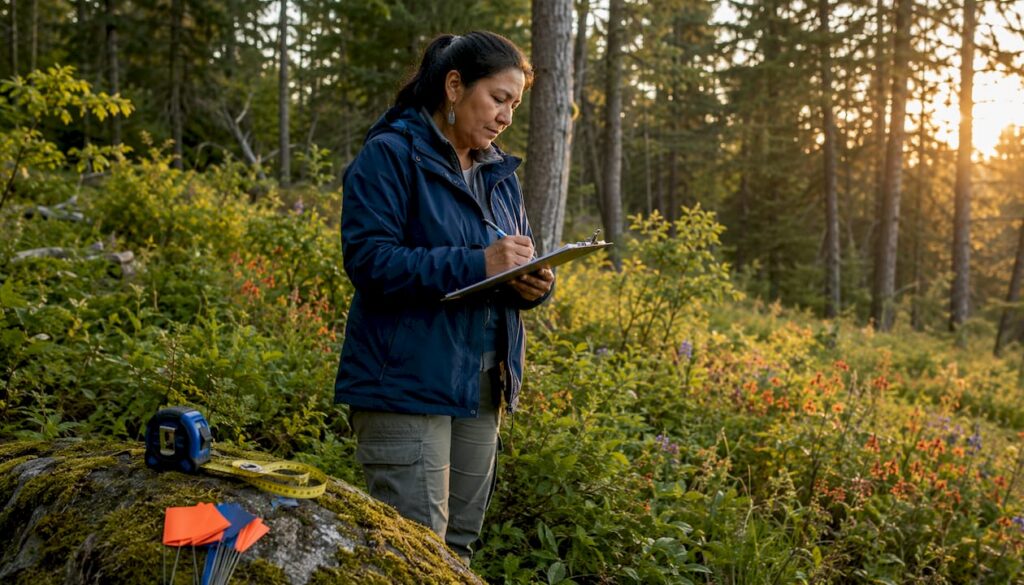
Eco-friendly cleaning and clearing of wooded communities works best when you start with a plan, reach for hand tools before machinery, and treat woody debris as a resource rather than waste. The core principles are straightforward: minimize soil disturbance, protect native plants and wildlife, skip chemical herbicides, and dispose of cleared material in ways that feed the ecosystem rather than burden a landfill. Done right, you end up with healthier land, lower costs, and a forest community that stays resilient for decades.
- Plan first: Walk the site, flag trees worth keeping, and map drainage before touching a single branch.
- Manual clearing first: Hand tools cause the least soil compaction and give you the most control over what stays and what goes.
- Mulch on site: Grinding brush into mulch returns nutrients to the soil and eliminates hauling costs.
- Skip chemicals and open burning: Both carry real risks to soil biology, water quality, and air.
- Protect wildlife habitat: Leave deadwood and downed logs where they can shelter animals.
- Restore after clearing: Reseed bare soil with native species and install erosion controls before the first rain.
How to plan and assess your wooded land before clearing
Good clearing starts weeks before the first cut. Walk every section of your property and take notes on soil type, drainage patterns, and which plants are native versus invasive. A wet low spot that drains poorly will compact badly under equipment; knowing that in advance lets you route foot traffic and machinery around it.
Mark every tree and shrub you want to keep with flagging tape before work begins. Native species like oaks, hickories, and native understory shrubs anchor the soil and support local wildlife, so they deserve explicit protection. Check your county or state forestry office for local regulations on clearing near waterways or wetlands; buffer zones around streams are common requirements in many states, and violating them can trigger fines.
Build a debris management plan as part of your site assessment. Treating all debris as waste is expensive and ecologically costly; strategic piling enhances wildlife habitat and nutrient recycling. Decide in advance which material goes to the chipper, which becomes habitat piles, and which gets removed entirely. That decision shapes where you stack brush during clearing, which saves hours of labor later.
Plan erosion controls before you break ground, not after. Silt fences, straw wattles, and seeded cover crops all need to be on hand and ready to deploy the moment bare soil appears. Seasonal timing matters too: clearing during late fall or early winter, after nesting season ends and before spring growth begins, reduces disturbance to birds and small mammals.
Pro Tip: Stack slash piles along accessible roads or paths during clearing rather than scattering them across the site. Moving a chipper to a pile is far easier than dragging branches across rough terrain to the chipper.
1. Manual clearing as the environmentally preferred approach
Manual clearing with hand tools is the most environmentally friendly approach for small to medium projects or selective thinning. Hand tools like chainsaws, axes, loppers, and brush cutters let you work tree by tree and shrub by shrub, preserving exactly what you want while removing what you don’t. Heavy machinery, by contrast, compacts soil layers that take years to recover, disrupts root networks, and often damages the trees you intended to keep.
The selective nature of hand tool work is its biggest advantage in a wooded community setting. You can cut an invasive shrub honeysuckle right at the base while leaving the native redbud two feet away completely untouched. That precision is simply not possible with a bulldozer or a skid steer.
Timing your work matters as much as your tool choice. Cut dry weeds and grasses before 10 a.m. to take advantage of cooler temperatures and higher morning humidity, which significantly lowers fire ignition risk. In dry regions, afternoon clearing in summer is genuinely dangerous; morning work is the standard practice among professional forestry crews.
Manual clearing also produces far lower fuel emissions than mechanized methods. A crew with hand tools running for a full day burns a fraction of the diesel that a single tracked mulcher consumes. For homeowners managing a half acre or less, hand tools are often the faster, cheaper, and cleaner choice.
2. Mulching and brush disposal to sustainably recycle woody debris
Forestry mulching is one of the most practical green cleaning solutions available for wooded land. A mulching machine grinds brush, saplings, and small trees directly on site, leaving behind a layer of chips that protects the soil surface. That mulch layer improves soil moisture retention and helps inhibit weed growth, acting as a protective blanket that also feeds soil microorganisms as it breaks down.
The on-site nature of mulching is what makes it genuinely sustainable. You avoid the fuel cost and emissions of hauling debris to a landfill, and you return organic matter and nutrients to the exact ground where the plants grew. Soil that has been stripped of organic cover erodes quickly; a few inches of chips can prevent that entirely.
Chipping efficiency depends heavily on how you organize your work. Stacking debris near accessible paths before running the chipper dramatically reduces labor, since most of the physical effort in chipping comes from dragging scattered branches to the machine. Pile material along a road or trail edge as you cut, then run the chipper down the line.
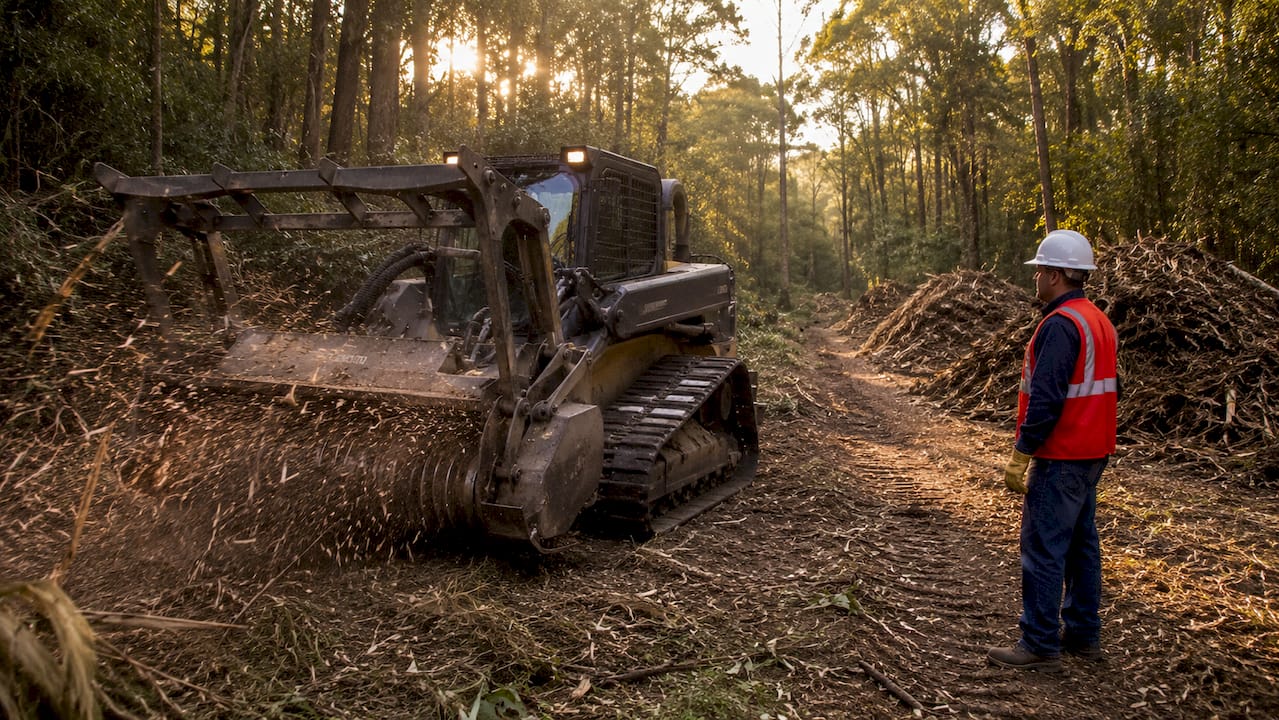
Not every piece of woody debris should go through the chipper. Larger logs can become firewood or be sold as sawlogs if they meet minimum diameter requirements. Some downed wood is better left in place to support wildlife habitat. The goal is to find a use for every piece rather than defaulting to burning or hauling.
3. Eco-friendly alternatives to chemical clearing and burning
Chemical herbicides pose real risks in wooded community settings. Broadleaf herbicides can leach into groundwater, harm beneficial soil fungi, and kill non-target native plants. Near lake community homes or any property adjacent to water, that risk is amplified; runoff from a single application can affect aquatic ecosystems downstream.
Selective mechanical removal is the most direct alternative. Cutting invasive shrubs at the base and immediately treating the cut stump with a concentrated organic acid or by covering it with a dark tarp to block photosynthesis can kill the root system without any chemical spray reaching the soil. Girdling, which involves cutting through the bark in a ring around the trunk, kills unwanted trees standing while leaving the root system intact to decay slowly and hold soil.
Prescribed grazing with goats effectively controls invasive brush with minimal soil disturbance. Goats eat woody shrubs and invasive species that most livestock ignore, and they work well on slopes where machinery cannot safely operate. Several land management companies across the United States now offer goat grazing as a contracted service.
Open burning carries costs that go beyond air quality. Burning removes organic matter from the site permanently, contributes to erosion on bare soil, and in dry conditions can escape control quickly. Thermal methods like steam weeding are emerging as lower-impact alternatives for spot treatment of invasive plants, though they work best on smaller areas. For most wooded community clearing projects, mechanical removal and mulching together cover the full range of what burning used to accomplish, without the downsides.
4. Responsible debris disposal and biodiversity preservation
Leaving dead wood and downed logs provides critical shelter and nesting habitat, preserving biodiversity during clearing. Salamanders, native bees, woodpeckers, and dozens of small mammal species depend on decaying wood for food and cover. Removing every fallen branch in the name of tidiness actually degrades the habitat you are trying to protect.
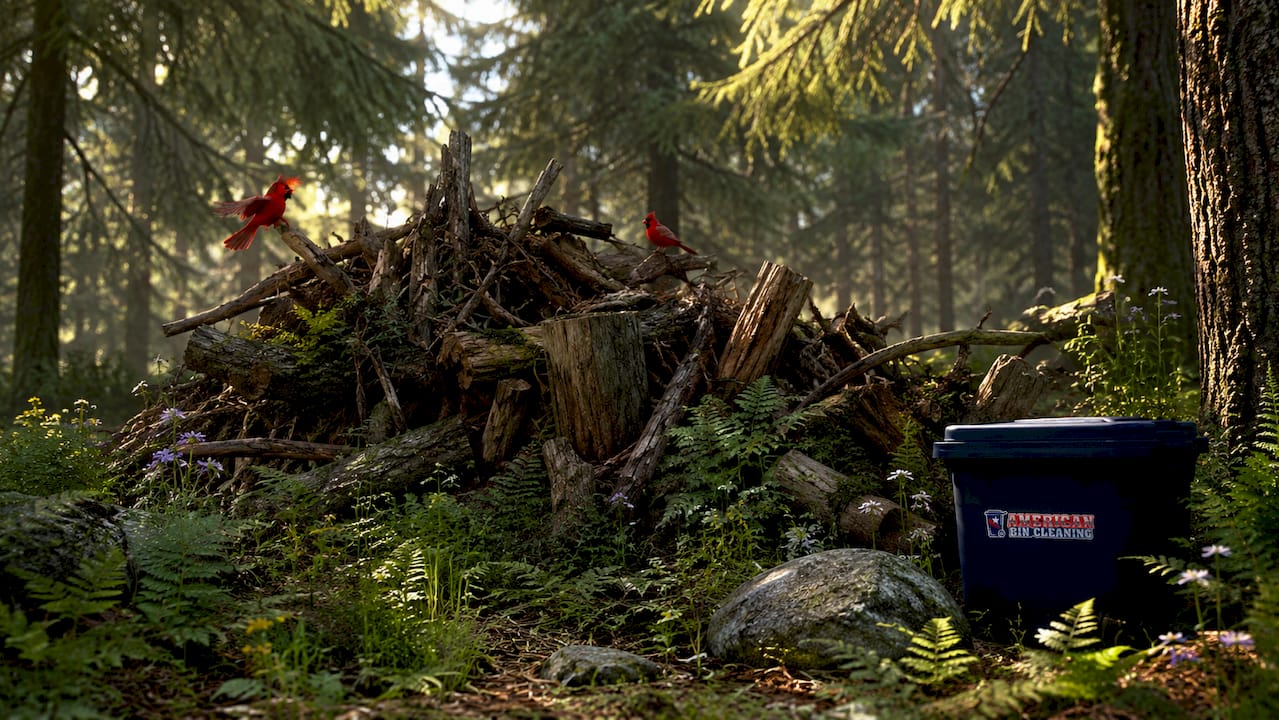
Habitat piles, sometimes called biodens, take this further. You can construct them deliberately from stumps and larger wood pieces, placing them at lower elevations of the site or near riparian areas where wildlife already concentrates. Keep them away from areas with regular public access, and position them well clear of any planned burn areas.
When debris does need to leave the site, composting and chipping are the right first choices. Pennsylvania’s Department of Environmental Protection, for example, strongly encourages reuse and recycling of land clearing plant material and restricts on-site burning in most circumstances. Chipped material can serve as mulch for erosion control, landscape beds, or trail surfaces.
Avoid including soil, large stumps, or oversized material in burn piles if burning is permitted in your area. Dirt and large logs degrade combustion quality, produce prolonged smoldering, and generate far more smoke than clean woody material. Large stumps belong in habitat piles or scattered across the site, not in a burn stack.
Protect buffer zones around any water body on or adjacent to your property. Clearing right to the water’s edge removes the root systems that hold stream banks together and eliminates the shade that keeps water temperatures cool enough for fish. A vegetated buffer of native plants along any stream, pond, or wetland edge is one of the highest-value conservation investments you can make on wooded land.
5. Post-clearing land restoration and native plant reestablishment
Bare soil left after clearing is an open invitation for invasive species. The first plants to colonize disturbed ground are almost always weeds and invasive exotics, not the native species you want. Reseeding with a native seed mix within days of clearing, not weeks, gives native plants the head start they need.
Choose seed mixes specific to your region and soil type. A native seed mix for the upper Midwest looks nothing like one suited to the Pacific Northwest or the Southeast. Your state’s native plant society or cooperative extension service can point you to regionally appropriate species. For wooded community settings, native grasses, sedges, and wildflowers work well as ground cover while native shrubs and trees establish over the following seasons.
Cover crops like winter rye or buckwheat serve a different purpose: they hold soil through the first season while slower-growing native perennials get established. They are not permanent plantings, but they prevent the erosion and weed pressure that can undo months of careful clearing work.
Seasonal timing shapes how well restoration takes hold. Seeding in early fall gives cool-season natives time to germinate before winter, and spring rains carry them through establishment. Seeding in midsummer, when heat and drought stress are highest, produces poor germination rates. Plan your clearing schedule backward from the ideal seeding window for your region.
6. Seasonal timing and wildlife impact considerations
Clearing during active nesting season, roughly March through July in most of the United States, risks destroying active bird nests and disturbing breeding mammals. Most professional land managers and forestry guidelines recommend scheduling major clearing work in late fall or winter, after migratory birds have left and before spring nesting begins.
Wildlife impact assessment does not require a formal study for most residential or small community projects. Walk the site and look for obvious signs: active nests, burrow entrances, deer trails, and water sources that animals depend on. Mark those areas and work around them. A 20-foot buffer around an active nest or burrow costs almost nothing in cleared area but prevents real harm.
Amphibians deserve specific attention in wooded community settings. Salamanders, frogs, and toads move between upland forest and wetland areas seasonally, and they are highly sensitive to soil compaction and chemical contamination. Avoid clearing near vernal pools entirely during spring, and keep equipment well away from any seasonal wet areas.
For lake community homes and properties near water, the stakes are higher. Sediment runoff from cleared slopes reaches the lake within hours of a rainstorm, and the damage to aquatic habitat accumulates with every clearing event. Installing silt fences and straw wattles before clearing begins, and seeding bare soil immediately after, keeps sediment on your property where it belongs.
7. Using eco-friendly tools and equipment for wooded land
The right equipment makes a measurable difference in how much ecological damage a clearing project causes. Low-ground-pressure tracked machines compact soil far less than wheeled equipment of equivalent weight. For selective thinning in a wooded community, a compact tracked skid steer with a mulching head causes a fraction of the root damage that a full-size bulldozer does.
Battery-powered hand tools have improved dramatically and now handle most residential clearing tasks without the fuel emissions of gas-powered equivalents. Battery chainsaws from brands like Husqvarna and STIHL now run long enough for a full day of selective clearing on a residential lot. They are quieter, produce no exhaust fumes near the operator, and require less maintenance.
For larger projects, forestry mulching machines combine clearing and debris processing in a single pass. The machine grinds vegetation and spreads the resulting mulch in one operation, eliminating the separate chipping and hauling steps. Without planned follow-up treatments, invasive species often regrow within one to two seasons after mulching, so the equipment choice is only part of the equation. A maintenance plan matters as much as the initial clearing.
Sustainable land clearing also means thinking about fuel and fluid management. Biodegradable chain bar oil and hydraulic fluid are available for most equipment types and prevent soil contamination if a line breaks or a reservoir leaks. They cost slightly more upfront but eliminate the cleanup liability of a petroleum spill in a wooded area.
8. Professional eco-friendly cleaning services for wooded communities
Professional services bring equipment, expertise, and regulatory knowledge that most homeowners simply do not have on hand. A qualified forestry contractor knows which local permits are required, which species are protected under state law, and how to sequence work to minimize ecological disruption. That knowledge prevents the costly mistakes that come from learning on the job.
Modern professional clearing crews use low-impact equipment specifically designed to minimize soil compaction. Compact mulching machines can maneuver between trees with a clearance of just a few feet, preserving root zones that older bulldozer-based methods would have destroyed. For seasonal yard cleanup in wooded community settings, professional services also handle debris sorting, habitat pile construction, and erosion control installation as part of a single project.
Maintenance programs offered by professional services address the regrowth problem that catches many homeowners off guard. Invasive species do not give up after one clearing; they regrow from root fragments and seed banks, often denser than before. A scheduled follow-up visit in the season after initial clearing, using spot mechanical treatment or targeted hand pulling, keeps the site from reverting.
Abcbins brings the same commitment to environmental responsibility to property cleaning that good land managers bring to clearing. Every service run captures all wastewater in an on-board recycling system, so nothing runs off into storm drains or nearby waterways. For wooded community homeowners who want eco-friendly cleaning methods applied to every aspect of their property, that closed-loop approach is exactly the standard to look for.
Keep your bins and outdoor surfaces as clean as your land. Abcbins offers professional, eco-responsible bin cleaning and pressure washing services throughout Chicagoland, with zero wastewater runoff and service plans that fit any schedule.
Key Takeaways
Eco-friendly clearing of wooded communities protects native biodiversity, improves soil health, and achieves land use goals when you combine manual techniques, on-site mulching, and responsible debris management from the start.
| Point | Details |
|---|---|
| Plan before you cut | Assess soil, drainage, and native vegetation, then map debris use before clearing begins. |
| Manual tools first | Hand tools minimize soil compaction and let you preserve native trees with precision. |
| Mulch on site | Grinding brush into chips returns nutrients to the soil and eliminates hauling costs. |
| Skip chemicals and burning | Herbicides risk water contamination; burning removes organic matter and raises fire risk. |
| Restore immediately | Seed bare soil with native species right after clearing to block invasive plant colonization. |