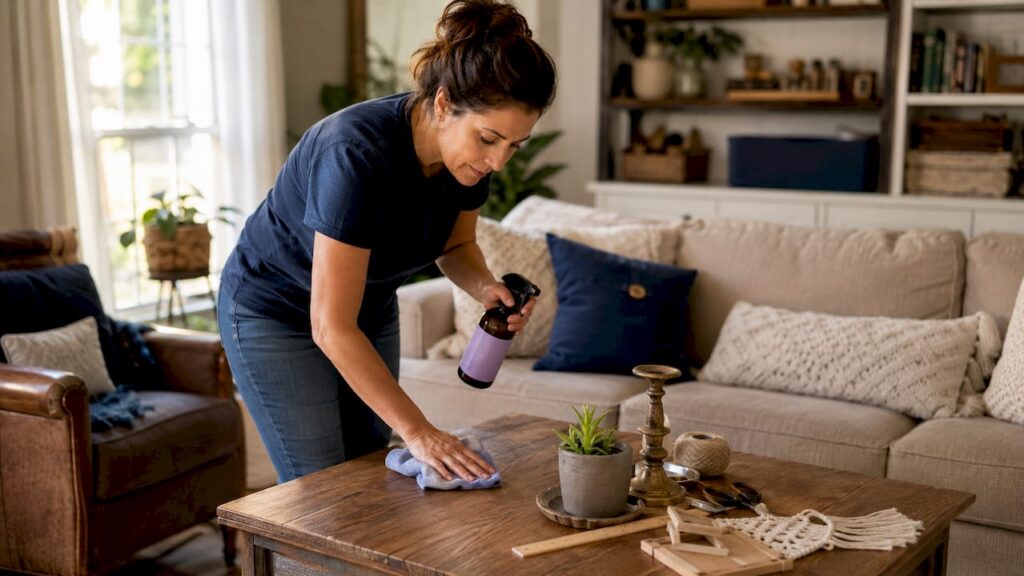
Environmentally responsible cleaning is the practice of using safe, non-toxic products and sustainable methods to clean your home while minimizing harm to your health and the planet. Known in professional circles as “green cleaning,” this approach covers everything from the ingredients in your spray bottle to the sponge in your sink. It means choosing products that break down safely, tools that last for years, and habits that keep harmful chemicals out of your air and waterways. The US EPA Safer Choice program and organizations like Green Seal have built entire certification systems around these principles, which tells you this is a well-established discipline, not a passing trend.
What does environmentally responsible cleaning involve?
Green cleaning rests on three core principles: eliminating harmful chemicals, reducing waste, and protecting both indoor air quality and aquatic ecosystems. Each principle connects to the others. When you swap a synthetic cleaner for a biodegradable one, you reduce VOC emissions inside your home and prevent toxic runoff from reaching local waterways.
The starting point for most households is the product label. Safer Choice certified products meet strict ingredient safety standards set by the US EPA and are independently assessed before they earn that label. Green Seal applies a similar standard. These certifications remove the guesswork from shopping.
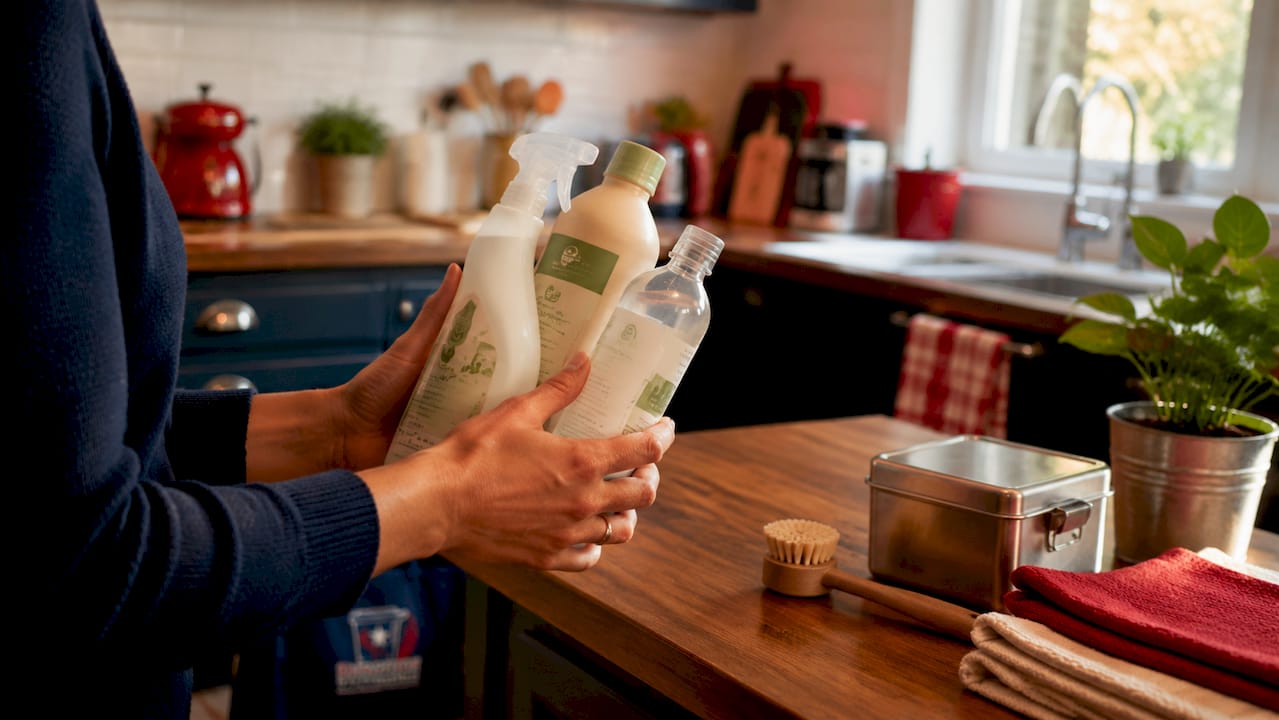
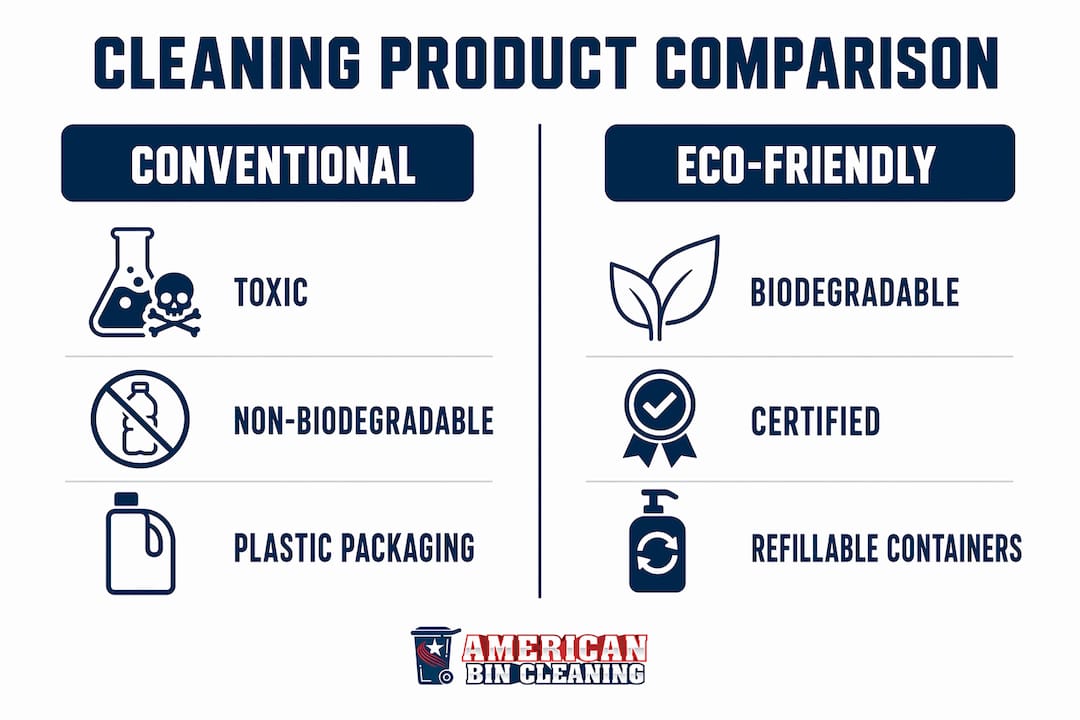
What you avoid matters as much as what you choose. Synthetic phosphorus and nitrogen in conventional cleaners cause nutrient loading in rivers and lakes, feeding algae blooms that deplete oxygen and kill aquatic life. VOCs from aerosol sprays and synthetic fragrances vaporize indoors and accumulate in enclosed spaces. Plastic microbeads in scrubbing products pass through water treatment systems and enter the food chain.
Which ingredients make a cleaning product eco-friendly?
The most effective natural cleaning agents are already in most kitchens. White vinegar acts as a natural antibacterial and antifungal agent, cutting through grease and mildew without leaving toxic residue. Baking soda neutralizes odors chemically rather than masking them, which makes it a better choice for indoor air quality than any synthetic fragrance product.
These two ingredients handle the majority of household cleaning tasks when used correctly:
- White vinegar: Disinfects hard surfaces, removes mineral deposits, and cuts grease on stovetops and counters.
- Baking soda: Scrubs without scratching, deodorizes refrigerators and trash bins, and lifts stains from fabric.
- Castile soap: A plant-based soap that cleans floors, dishes, and skin without petroleum-derived surfactants.
- Hydrogen peroxide (3%): Disinfects cutting boards and bathroom surfaces without chlorine bleach.
- Essential oils (tea tree, lavender): Add antimicrobial properties and natural scent without synthetic fragrance chemicals.
For products you buy rather than make, look for the US EPA Safer Choice label or Green Seal certification. Avoid anything listing “fragrance” as a single ingredient. Fragranced cleaning products often contain undisclosed compounds linked to respiratory irritation and hormone disruption.
Packaging counts too. Concentrated formulas reduce plastic per use. Refillable glass or aluminum containers support a circular economy by keeping materials in use rather than sending them to landfill.
Pro Tip: Buy a concentrated all-purpose cleaner and dilute it into a reusable glass spray bottle. You get dozens of refills from one small container, cutting plastic waste and cost at the same time.
How do sustainable cleaning tools reduce waste?
The right tools eliminate the need for disposable products and, in many cases, reduce the amount of cleaning solution you need at all. Microfiber cloths physically trap bacteria and allergens in their fibers, removing up to 99% of bacteria without any chemical cleaner. That single fact changes the math on how much product a household actually needs.
Here is a practical sequence for switching to sustainable tools:
- Replace paper towels with microfiber cloths. Buy a set of 12–20 cloths and assign colors by task: blue for glass, yellow for counters, red for bathrooms. This prevents cross-contamination and extends cloth life.
- Swap synthetic sponges for plant-based cellulose sponges. Synthetic sponges shed microplastics into wastewater with every use. Cellulose sponges are compostable at end of life.
- Use a reusable mop with washable pads instead of disposable mop sheets. Most washable mop pads last through hundreds of laundry cycles.
- Switch to a bamboo scrub brush for dishes and surfaces. Bamboo is fast-growing and biodegradable, unlike plastic-handled brushes.
- Choose refillable spray bottles made from glass or stainless steel. These last years and accept any homemade or concentrated solution.
The circular economy approach behind these choices is straightforward: keep materials in use as long as possible, then choose items that return safely to the earth. Single-use plastics fail both tests.
Pro Tip: Wash microfiber cloths in hot water at 140°F or higher to sterilize them between uses. Skip fabric softener, which clogs the fibers and reduces their ability to trap bacteria.
How does green cleaning affect your health and the environment?
The health case for green cleaning is direct. Conventional cleaners release VOCs that accumulate indoors, where the EPA notes air can be two to five times more polluted than outdoor air. Green cleaning reduces the risk of chemical poisoning and respiratory problems in children and pets by removing the toxic substances that vaporize in enclosed spaces. Families with asthma, allergies, or young children see the most immediate benefit.
The environmental impact runs downstream, literally. Phosphorus and nitrogen from conventional cleaners enter waterways through household drains and trigger algae blooms. Those blooms create dead zones where fish and other aquatic life cannot survive. Choosing phosphorus-free, nitrogen-free products stops that chain reaction at the source.
“Reducing VOC emissions from cleaning products protects indoor air quality while choosing phosphorus-free and nitrogen-free formulas prevents nutrient loading in aquatic ecosystems. Both changes work together to create safer homes and healthier waterways.”
| Impact area | Conventional cleaning | Green cleaning |
|---|---|---|
| Indoor air quality | VOCs accumulate, raising allergy and asthma risk | Fewer VOCs, better air quality for children and pets |
| Aquatic ecosystems | Phosphorus and nitrogen cause algae blooms | Biodegradable formulas break down without nutrient loading |
| Chemical poisoning risk | Higher risk from toxic residues on surfaces | Lower risk with non-toxic, plant-based ingredients |
| Packaging waste | Single-use plastic bottles dominate | Concentrated and refillable options reduce plastic |
| Long-term cost | Frequent repurchase of disposables adds up | Reusable tools and concentrates lower ongoing cost |
Practical steps to start cleaning sustainably at home
Switching to eco-friendly cleaning methods does not require replacing everything at once. The most effective approach is gradual replacement: as each conventional product runs out, swap it for a greener alternative. This prevents waste from throwing away half-full bottles and keeps the transition manageable.
Start with the products you use most often. An all-purpose spray is the highest-impact swap because it touches the most surfaces. Replace it with a diluted white vinegar solution or a Safer Choice certified concentrate. Your kitchen and bathroom counters will be just as clean.
- Reduce fragrance exposure first. Synthetic fragrances are among the most common sources of indoor air pollution. Switching to fragrance-free or naturally scented products is the fastest way to improve air quality.
- Buy in bulk where possible. Bulk liquid soap and laundry detergent cut packaging waste significantly. Many natural grocery stores and co-ops offer refill stations for common cleaners.
- Choose concentrated formulas. A single bottle of concentrated cleaner can replace 10–30 ready-to-use bottles. The carbon footprint of shipping water across the country is real.
- Read labels carefully. Look for “biodegradable,” “phosphate-free,” and “no synthetic fragrance.” Avoid vague terms like “natural” or “pure,” which carry no regulatory definition.
| Cleaning task | Conventional option | Eco-friendly alternative |
|---|---|---|
| All-purpose surface spray | Synthetic chemical spray | Diluted white vinegar or Safer Choice concentrate |
| Odor control | Aerosol air freshener | Baking soda or essential oil diffuser |
| Scrubbing | Plastic-backed synthetic sponge | Plant-based cellulose sponge or bamboo brush |
| Floor mopping | Disposable mop sheets | Reusable mop with washable microfiber pads |
| Laundry | Conventional detergent with synthetic fragrance | Fragrance-free, phosphate-free certified detergent |
Gradual adoption works because each small change builds on the last. After six months of incremental swaps, most households find they have cut their cleaning product purchases in half and eliminated most single-use plastic from their routine.
Key Takeaways
Environmentally responsible cleaning requires replacing toxic chemicals with biodegradable alternatives, choosing certified products, using reusable tools, and reducing packaging waste to protect both household health and aquatic ecosystems.
| Point | Details |
|---|---|
| Choose certified products | Look for US EPA Safer Choice or Green Seal labels to verify ingredient safety. |
| Use natural ingredients | White vinegar and baking soda handle most household tasks without toxic residue. |
| Switch to reusable tools | Microfiber cloths remove up to 99% of bacteria and replace disposable paper towels. |
| Avoid harmful chemicals | Skip phosphorus, nitrogen, VOCs, and synthetic fragrances to protect air and waterways. |
| Adopt changes gradually | Replace products as they run out to make the transition sustainable and waste-free. |
What I’ve learned after years of watching households clean
Most people assume green cleaning means weaker cleaning. That assumption is wrong, and it’s the single biggest barrier to adoption. Cleaning experts confirm that vinegar and baking soda are effective degreasers and stain removers. I’ve seen households with young children and pets make the switch and never look back, not because they were idealists, but because the results held up.
The part that surprises people most is the air quality change. Within a few weeks of cutting synthetic fragrances, many families notice fewer headaches and less congestion. That’s not placebo. VOCs from conventional cleaners build up in enclosed spaces, and removing the source clears the air noticeably.
My honest advice: don’t try to overhaul everything in a weekend. Pick one product, swap it, and live with the result for a month. If it works, swap another. The households that stick with green cleaning long-term are the ones who built the habit slowly, not the ones who bought a full set of “natural” products in one shopping trip and felt overwhelmed when one of them didn’t perform.
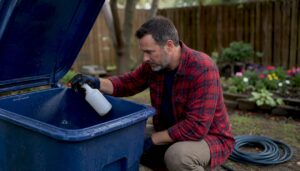
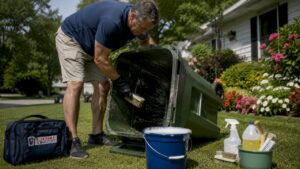
One more thing: don’t overlook the spaces you clean least often. Trash bins, for example, harbor bacteria and odors that conventional cleaning often misses entirely. A thorough, eco-conscious bin cleaning approach matters as much as what you use on your countertops.
— Jim
Professional eco-friendly bin cleaning for Chicagoland homeowners
Sustainable cleaning habits extend beyond your kitchen counters. Trash bins are among the most bacteria-dense surfaces in any home, and most households never deep-clean them.
Abcbins has provided professional bin cleaning throughout Chicagoland since 1989. The process uses high-pressure hot water to kill 99.99% of bacteria, eliminate odors, and deter pests, all without harsh chemicals running off into the environment. Every drop of wastewater is captured in an on-board recycling system. Abcbins handles everything curbside while you’re away, on monthly, bi-monthly, quarterly, or on-demand schedules. For homeowners in McHenry County and the surrounding area, bin cleaning services are available with no need to be home.
FAQ
What is the difference between green cleaning and regular cleaning?
Green cleaning uses biodegradable, non-toxic ingredients and reusable tools to avoid harming indoor air quality and aquatic ecosystems. Conventional cleaning often relies on synthetic chemicals, VOCs, and single-use plastics that create health and environmental risks.
Are natural cleaning products as effective as chemical ones?
Yes. White vinegar and baking soda are proven degreasers and disinfectants that clean effectively without toxic residue. Microfiber cloths remove up to 99% of bacteria without any cleaning solution at all.
What certifications should I look for on cleaning products?
The US EPA Safer Choice label and Green Seal certification both verify that a product meets strict ingredient safety standards. These labels are independently assessed and are the most reliable indicators of a genuinely safer product.
How do cleaning products harm waterways?
Phosphorus and nitrogen in conventional cleaners enter waterways through household drains and trigger algae blooms that deplete oxygen and kill aquatic life. Choosing phosphate-free, biodegradable formulas prevents this nutrient loading.
How do I start switching to sustainable cleaning without wasting what I already have?
Replace products as they run out rather than discarding them mid-use. Start with your most-used all-purpose spray, then work through laundry detergent, dish soap, and scrubbing tools one at a time.