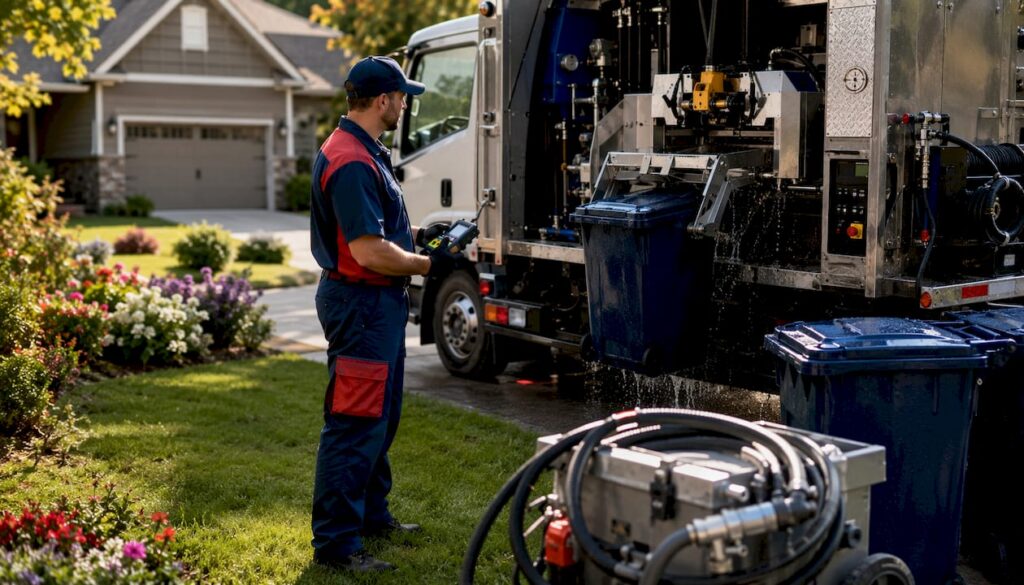
You don’t need to be home for professional trash bin cleaning. The service runs entirely without you: a specialized truck arrives after your waste hauler empties your bins, cleans and sanitizes them curbside using high-pressure hot water, captures every drop of wastewater onboard, and sends you a confirmation with photo proof when the job is done. Here is exactly how that process works.
What the service covers at a glance:
- Scheduling aligned with trash collection so bins are already empty when the truck arrives
- High-pressure water heated to 200°F–230°F that kills bacteria standard hose water cannot touch
- A closed-loop system that captures 100% of wastewater so nothing runs into storm drains
- Bins returned to their original spot after cleaning
- Automated photo confirmation sent to you when service is complete
How does the bin cleaning process work without the homeowner?
The whole system is built around one simple idea: your bins are most accessible right after the waste truck leaves. Professional services time their arrival to that window, so you never need to coordinate your schedule around theirs.
-
Scheduling is set around your trash day. Once you sign up, the provider syncs your service with your local collection day. The cleaning truck arrives in the afternoon or early evening after your bins have been emptied.
-
The truck pulls up to your curb. No one needs to let them in. The bins are already at the curb from trash day, which is all the access the crew needs.
-
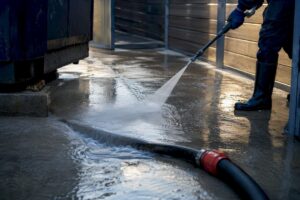
A hydraulic arm lifts each bin into the cleaning chamber. Inside, spinning high-pressure spray heads blast every interior surface with water heated to high temperatures that kill bacteria. That temperature range is not arbitrary. High-temperature water above 200°F is required to reliably kill bacteria like E. coli and Salmonella that cold or lukewarm water simply rinses around.
-
The clean-sanitize-deodorize cycle runs automatically. Modern cleaning trucks run this sequence as a programmed cycle, not a manual scrub, which means consistent results every visit regardless of which technician is on the route.
-
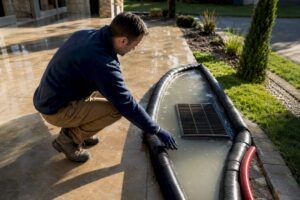
All wastewater is captured onboard. Nothing drains onto your driveway or into the street. The truck’s closed-loop reclamation system holds all effluent for proper disposal at an approved facility.
-
Bins go back where they started. The technician returns each bin to its curbside position or wherever you specified during setup.
-
You get a confirmation. Automated post-service alerts with photo documentation land in your inbox or as a text, so you know the job is done without having to check yourself.
Pro Tip: If your property has a gate or your bins are stored behind a fence, tell the provider before your first service. Most will note a gate code or a preferred bin placement in your account so access issues never delay your cleaning.
How to prepare your bins when you won’t be home
Getting the most out of a vacant bin cleaning visit takes almost no effort on your part, but a few small steps prevent hiccups.
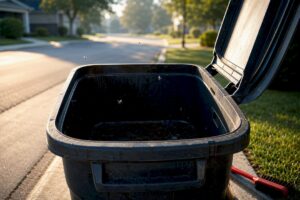
- Leave bins at the curb on trash day. You are already doing this for waste pickup. Just leave them there. The cleaning truck follows the same route later that day.
- Remove locked lids or bungee cords. Anything that prevents the bin from opening freely will stop the hydraulic lift from working correctly. Unlatch everything before you leave for the day.
- Clear the path. Parked cars, recycling carts, or overgrown shrubs blocking the curb can prevent the truck from reaching your bins. A clear 3-foot zone around each bin is enough.
- Communicate gated access in advance. If you live in a gated community or have a shared driveway, give the provider your gate code or contact your HOA manager ahead of time. Services handle this regularly and have standard protocols for it.
- Note any special bins. Extra-large containers, recycling bins, or yard waste carts may need to be flagged during signup so the crew brings the right equipment.
- Pick a consistent service frequency. Monthly cleaning works well for most households. Quarterly is a reasonable minimum for lower-use bins. Matching frequency to your actual usage keeps odors and buildup from getting ahead of the service.
What are the real environmental and health benefits?
Professional bin cleaning does more than make your cans smell better. The technology behind it addresses problems that a garden hose genuinely cannot solve.
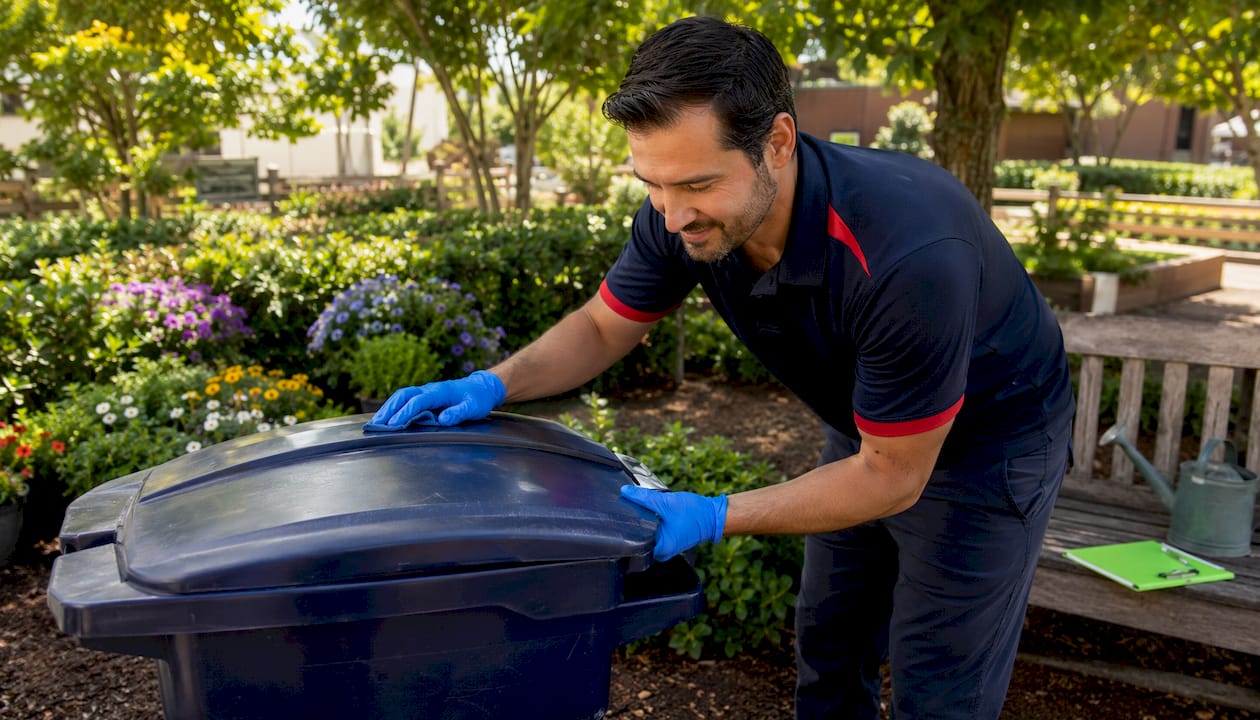
Trash bins are a reliable breeding ground for harmful bacteria including E. coli, Salmonella, and Listeria. These pathogens live in the organic residue that sticks to bin walls after bags are removed. Rinsing with cold water moves that residue around. Water at 200°F+ destroys it.
The pest connection is direct. Flies and rodents are drawn to the odor-causing bacteria and decomposing organic material left in bins between pickups. Once professional cleaning removes that residue at the source, the attraction disappears. Homeowners who schedule regular pest prevention alongside routine bin cleaning tend to see the strongest results, since the two problems feed each other.
On the waterside, high-pressure low-volume systems use up to 50% less water per bin than a standard manual hose-down while achieving far better sanitation. The closed-loop reclamation system means that reduced water volume never enters a storm drain. For homeowners who care about eco-friendly cleaning practices, this is the clearest argument for professional service over DIY.
Regular cleaning also extends bin life. Corrosive grime, mold, and decomposing waste gradually degrade plastic and metal bins from the inside. Removing that buildup consistently prevents the cracking and discoloration that leads to early replacement.
| Benefit | What it means for you |
|---|---|
| 200°F–230°F water temperature | Kills E. coli, Salmonella, and Listeria that cold water cannot eliminate |
| Closed-loop wastewater capture | Zero contaminated runoff onto your property or into storm drains |
| Significantly less water used | Lower environmental footprint than manual hose cleaning |
| Odor and residue removal | Reduces fly and rodent attraction at the source |
| Extended bin lifespan | Prevents corrosive buildup that cracks and discolors bins over time |
Key Takeaways
Professional bin cleaning works without the homeowner present because the entire service is timed, automated, and confirmed remotely, requiring nothing from you beyond leaving bins accessible at the curb.
| Point | Details |
|---|---|
| No presence required | Service runs after waste pickup while bins are already curbside and empty. |
| High-temperature cleaning | Water at 200°F–230°F kills bacteria that standard hose water cannot remove. |
| Zero wastewater runoff | Closed-loop onboard systems capture 100% of wastewater for proper disposal. |
| Automated confirmation | Photo proof and service alerts notify you the moment cleaning is complete. |
| Abcbins handles it all | Abcbins serves Chicagoland with curbside cleaning plans requiring no homeowner presence. |
Abcbins keeps your bins clean while you live your life
Abcbins has been cleaning residential and commercial bins across Chicagoland since 1989, and the whole service is built around one promise: you should never have to be home for it. The crew arrives after your waste hauler, cleans every bin with high-pressure hot water, captures all wastewater in an onboard recycling system, and sends you confirmation when it’s done.
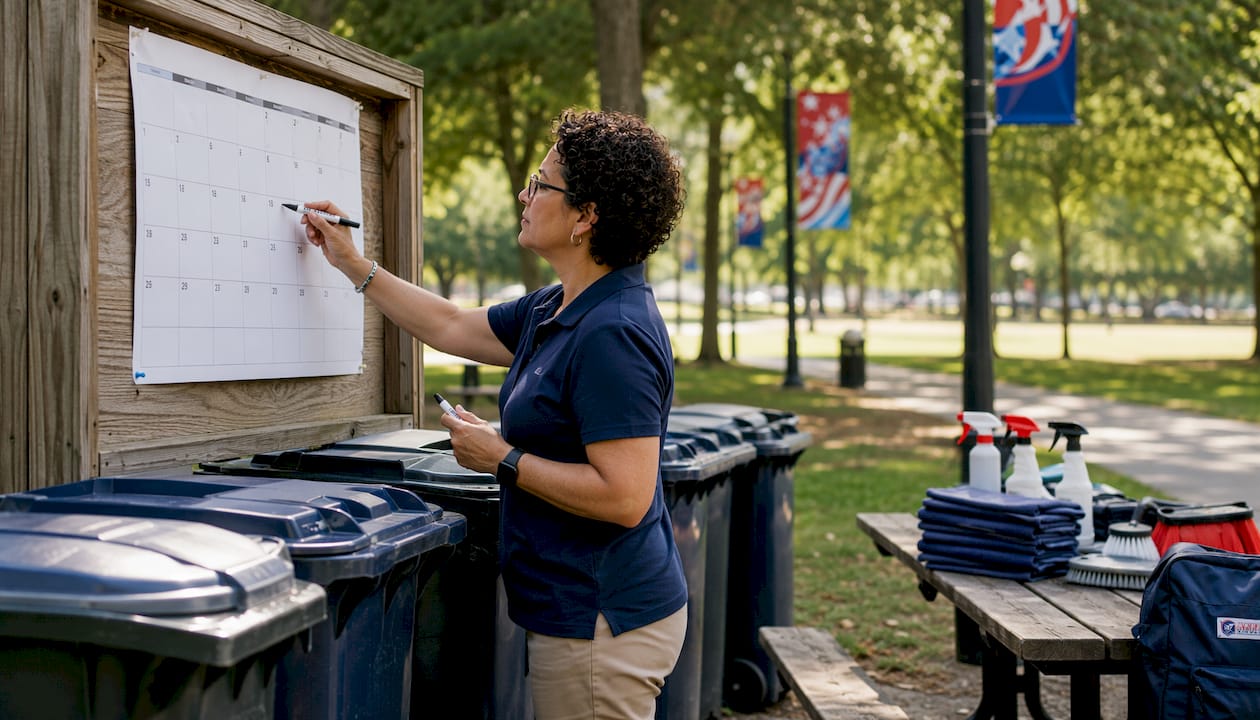
Plans run monthly, bi-monthly, quarterly, or on-demand, so you pick the frequency that fits your household. Abcbins kills 99.99% of bacteria per clean, eliminates odors at the source, and handles gated properties and access coordination without any extra effort on your part. If you’re in the Chicagoland area, book your first cleaning and see what a genuinely clean bin feels like.