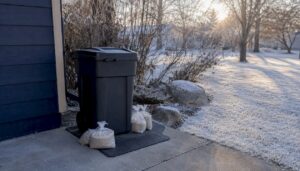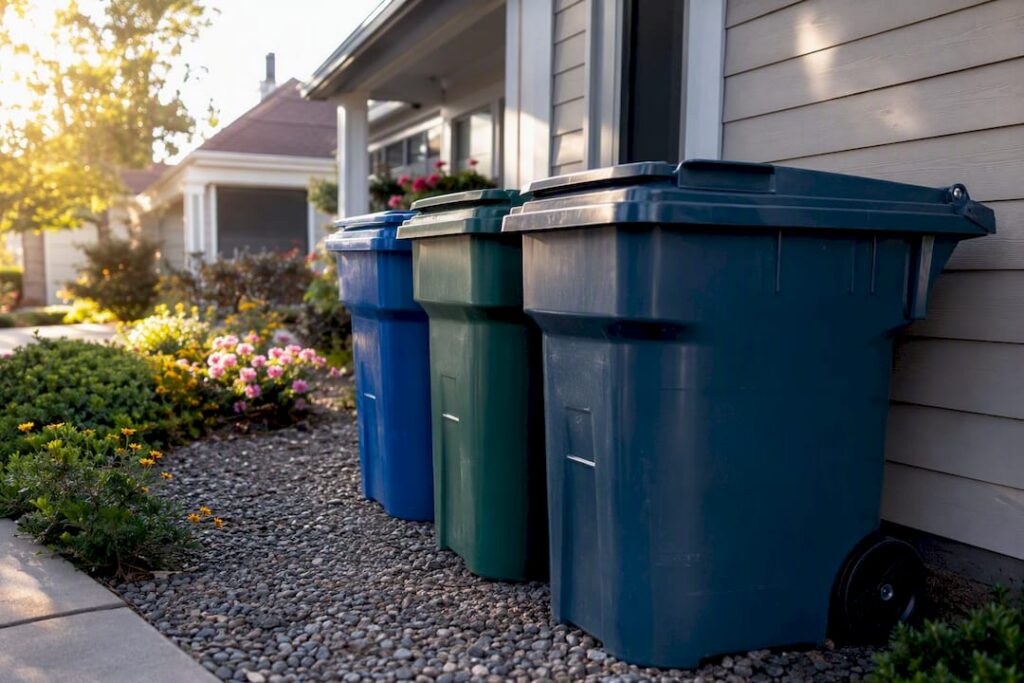
Yes, outdoor garbage cans attract pests, and the fastest way to stop them is to cut off food, moisture, and shelter at the same time. That’s the core principle behind Integrated Pest Management (IPM), and it’s the same standard the EPA leans on as it advises schools and municipalities on waste handling. Companies like American Bin Cleaning build entire service routines around this idea because sanitation, not scent tricks, is what actually breaks the cycle.
Three things to do right now:
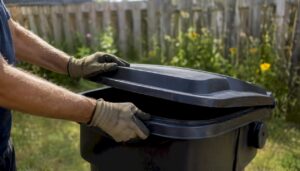
- Seal every lid with a latch, bungee cord, or weighted enclosure so raccoons and rodents can’t lever it open.
- Remove standing liquids and loose food scraps from the bin and the pad beneath it.
- Rinse and dry the can so it stops broadcasting an odor trail to every passing animal on the block.
Key Takeaways
Garbage cans attract pests because they combine food, moisture, and shelter in one spot, and closing off those three factors through sealed lids, smart placement, and regular sanitation stops most infestations before they start.
| Point | Details |
|---|---|
| Pest pressure differs by setting | Rural areas see more raccoons and skunks; suburban areas concentrate rodents and insects. |
| Biofilm drives repeat problems | Residue at the bottom of cans keeps releasing odor even after visible trash is gone. |
| Container and placement matter most | Tight lids, hard surfaces, and distance from the foundation cut pest access fast. |
| DIY cleaning has limits | Hosing and scrubbing miss microscopic biofilm that keeps attracting pests. |
| Professional cleaning fills the gap | Abcbins uses high-pressure sanitizing and on-board wastewater capture on a recurring schedule to remove what DIY methods leave behind. |
Table of Contents
- Which Pests Cause Garbage Can Issues in Rural Suburbs
- Why Garbage Areas Become Pest Magnets
- Prevention Checklist for Keeping Pests Away From Garbage
- How to Clean and Sanitize Garbage Cans
- Targeted Fixes for the Toughest Garbage Can Pests
- When to Call a Pest Control or Bin-Cleaning Professional
- Keep Pests Away With Professional Bin Cleaning
- FAQ: Garbage Can Pest Issues in Rural Suburbs
- Sources
Which Pests Cause Garbage Can Issues in Rural Suburbs
The offenders differ depending on where you live, but the list overlaps more than most homeowners expect.
- Rats and mice — greasy rub marks along the rim, small droppings near the base.
- Raccoons — tipped cans, scattered bags, claw marks on lids.
- Skunks — dug-up ground near the can, a lingering musky smell even without a direct hit.
- Flies and maggots — swarming activity within hours of wet waste sitting out.
- Ants — thin trails leading to sugary or greasy residue on the can’s exterior.
- Wasps — nesting near lid gaps, especially in late summer.
- Cockroaches — grease smears and a musty smell inside the can itself.
Rural properties tend to draw larger wildlife because they sit closer to open land and natural corridors, while suburban lots concentrate rodent and insect activity simply because more households mean more predictable food sources packed into less space. Raccoon activity tends to spike in spring and summer when they’re foraging for their young, while rodents push harder toward garbage cans in fall and winter as they hunt for shelter from the cold.
Why Garbage Areas Become Pest Magnets
Every pest on that list is chasing the same three things: food, moisture, and shelter. A garbage can checks all three boxes without much effort on anyone’s part.
What most homeowners miss is that the smell doesn’t come only from what’s visible. A thin layer of organic residue, sometimes called leachate, settles into the bottom seams of a can and keeps releasing odor compounds long after the trash bag is gone.
That biofilm is why a can can look empty and still pull in flies, ants, and rodents day after day. The smell you can’t see is often stronger, to a pest’s nose, than the bag you just tossed.
This is also why the behavior gets predictable: flies lay eggs directly in decomposing residue within hours, rodents leave visible rub trails once they’ve found a reliable food source, and raccoons learn quickly which cans tip open with a shove.
- Food residue feeds flies, ants, and rodents directly.
- Moisture from spilled liquids or condensation keeps bacteria and odor compounds active.
- Shelter from tight spaces, dense vegetation, or clutter near the can gives pests a place to hide between visits.
Prevention Checklist for Keeping Pests Away From Garbage
Fixing garbage bin pest problems starts with the equipment, not the chemicals. Here’s the order that actually moves the needle.
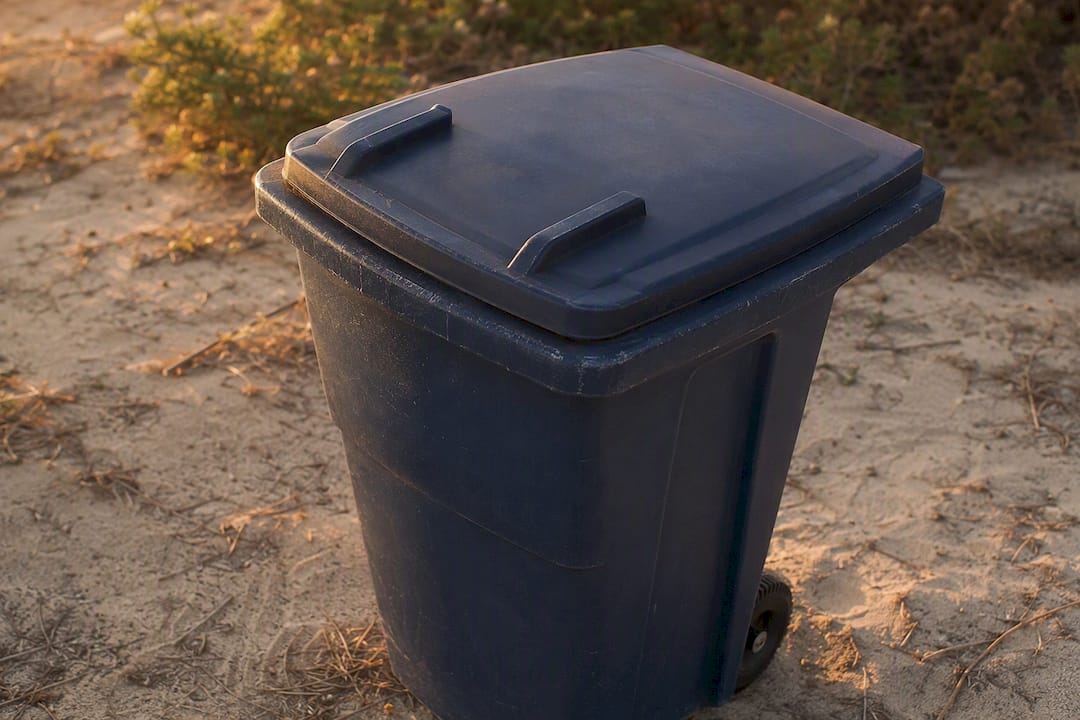
1. Upgrade the container.
Choose thick, animal-resistant plastic or metal cans with tight-fitting lids. Inspect for cracks or warped rims every few months. A gap smaller than a golf ball is still wide enough for a determined rat.
2. Fix the placement.
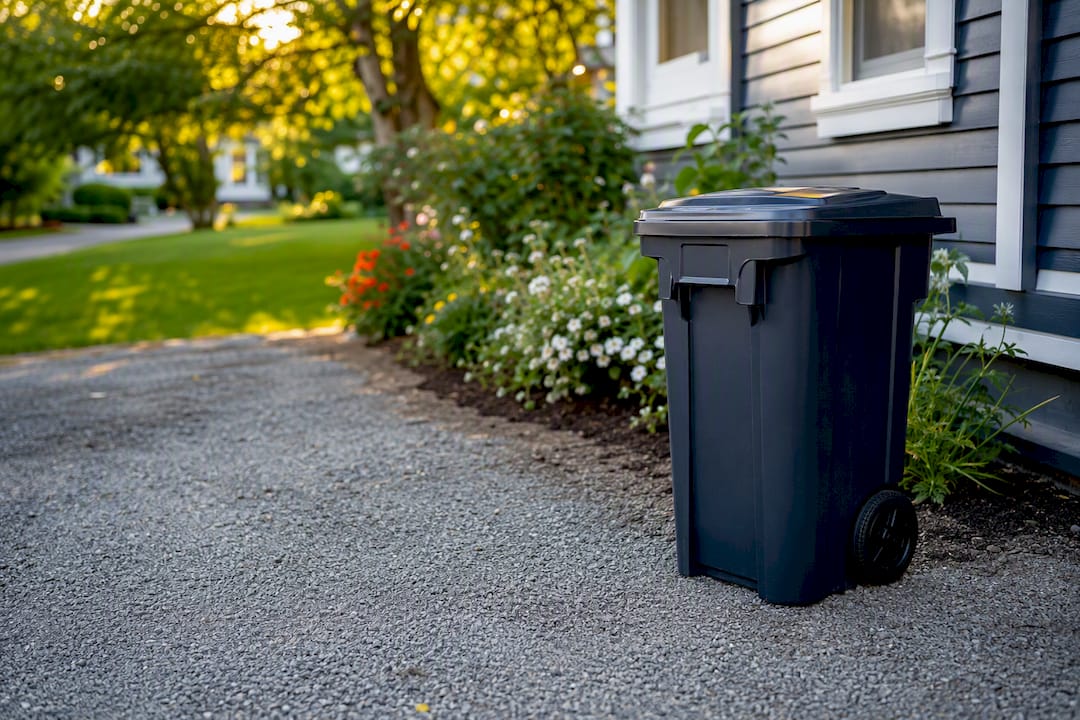
Keep cans several feet from the house and off soil or mulch. Bins stored close to a foundation create a stepping-stone effect that helps rodents and insects move from the trash area straight to your siding or door frame. A concrete pad or gravel base works better than grass or dirt, and it keeps the can out of dense vegetation where skunks and snakes like to linger.
3. Bag and time it right.
Double-bag anything wet. Drain liquids from takeout containers before tossing them. Rinse greasy packaging when you can. Set cans out as close to pickup time as your schedule allows rather than the night before, especially in warmer months.
4. Keep the surrounding area clean.
Spilled residue on the pad, forgotten pet food bowls, and overgrown grass around the can all extend an open invitation. A five-minute sweep once a week keeps that invitation closed.
- Trim vegetation back at least a foot from the can.
- Wipe down spills on the pad immediately, not “next time you’re out there.”
- Check lids after windy days; a knocked-loose latch is an open door.
Pro Tip: A simple bungee cord across the lid handles works in a pinch, but a dedicated locking enclosure or a weighted lid clip holds up far better through a full Midwest winter, when raccoons get more aggressive about finding food before denning up.
How to Clean and Sanitize Garbage Cans
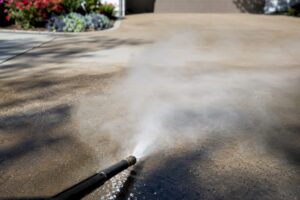
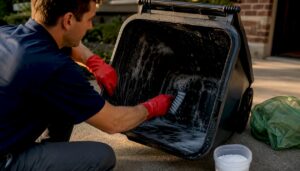
DIY cleaning matters, and it’s not complicated: empty the can completely, scrape out solid debris, hose it down, then scrub with dish detergent or a mild bleach solution (roughly a 10% dilution) if the smell is stubborn. Let it air dry upside down, and line the bottom with a few sheets of newspaper between pickups to soak up residual moisture.
Here’s where DIY runs into a wall. A garden hose and a scrub brush can’t reach the microscopic biofilm packed into seams, hinges, and the underside of the lid. That residue is exactly what keeps releasing odor for weeks after a rinse looks clean to the eye.
- DIY handles surface debris and short-term odor control.
- Professional cleaning uses hot, high-pressure water that breaks down biofilm DIY methods leave behind.
- Services like Abcbins also capture wastewater on board instead of letting it run into your yard or storm drains.
Most pest-prevention guidance advises regular cleaning of household garbage cans, with more frequent washing during warmer months when bacteria and odors can increase.
Pro Tip: If your can smells strong within a day of being emptied, that’s usually biofilm talking, not a one-off spill. A deep clean solves it faster than another round of soap and water.
Targeted Fixes for the Toughest Garbage Can Pests
Different pests need different responses. Here’s what actually works for each.
Raccoons and skunks:
- Install a locking lid or weighted enclosure.
- Remove pet food, bird feed, and compost scraps from the area at night.
- Add motion-activated lighting near the can if tipping continues.
Rodents:
- Seal any holes or cracks in the can itself.
- Move cans away from the foundation and onto a hard surface.
- Treat baiting as a last resort after sanitation and exclusion, not a first response.
Flies and maggots:
- Remove wet waste immediately and double-bag it.
- Keep bags fully closed; loose ties are an open invitation for egg-laying.
- Home remedies like vinegar or coffee grounds can help at the margins, but they don’t replace a dry, sealed can.
Wasps and ants:
- Clean sugary or greasy residue off the can’s exterior weekly.
- Fix small gaps around the lid where wasps like to nest.
- Remove an active nest directly rather than relying on sprays alone.
Cockroaches:
Cockroaches are notoriously hard to eliminate once established because they reproduce fast and thrive on grease and crumbs. Sanitation and sealing entry points come first; if you’re seeing them indoors, that’s a sign to call a professional.
When to Call a Pest Control or Bin-Cleaning Professional
Call pest control when you see repeated nesting, indoor sightings, structural damage around the foundation, or cans getting tipped over more than once a week. Call a bin-cleaning service like Abcbins when odor and biofilm keep coming back no matter how often you scrub, or when tipping happens even with a secure lid.
- A one-time deep clean resolves most odor-driven pest pressure within a single visit.
- Recurring service plans (monthly, bi-monthly, or quarterly) prevent the buildup from starting over.
- Pest control timelines vary by infestation severity and local provider, so treat any quoted range as a starting point, not a guarantee.
If you’re dealing with rodents and a persistent smell at the same time, don’t try to solve them separately. Book both fixes close together.
Why sanitation, not chemicals, wins the long game
Homeowners often reach for sprays and scented deterrents first because they feel like immediate action. But IPM principles put sanitation at the top of the list for a reason: you’re removing the thing pests are actually after, not masking it. Routine bin maintenance, paired with basic exclusion like tight lids and smart placement, does more heavy lifting than any spray on the shelf. Professional cleaning fills the one gap homeowners can’t close on their own: the biofilm baked into seams that keeps drawing pests back no matter how careful you are with bagging and timing.
Keep Pests Away With Professional Bin Cleaning
Abcbins gives rural and suburban homeowners the one piece of the pest puzzle that a hose and a scrub brush can’t reach: full biofilm removal without the guesswork of DIY dilution ratios or scrub schedules.
You don’t even need to be home. Recurring plans handle the schedule for you, whether that’s monthly during peak summer pest pressure or quarterly the rest of the year, so your cans stay a dead end for pests instead of an invitation. If you’re in the Barrington area, you can check current bin-cleaning availability and get your first appointment on the calendar before the next heat wave brings the flies out in force.
FAQ: Garbage Can Pest Issues in Rural Suburbs
Do garbage cans really attract pests, or is it just a smell issue?
Garbage cans attract pests because they offer food, moisture, and shelter together, not just because of odor. Fixing all three factors matters more than masking the smell.
How often should I clean my garbage can to prevent pests?
Most households benefit from a deep clean every month to every three months, tightening to monthly during hot summer stretches when bacteria multiply faster.
What’s the difference between rural and suburban garbage can pest problems?
Rural properties tend to draw larger wildlife like raccoons and skunks due to nearby open land, while suburban areas concentrate rodent and insect pressure from tighter housing density.
Can I use home remedies instead of cleaning my bin?
Scents like vinegar or peppermint can supplement prevention, but they don’t replace sanitation. Flies and rodents respond to actual food and moisture, not deterrent smells alone.
When should I call a professional instead of handling it myself?
Call a pest control service for repeated nesting, indoor sightings, or structural damage. Call a bin-cleaning service like Abcbins when odor or tipping keeps recurring despite regular DIY cleaning.
Sources
- Suburban vs. Rural Pests – Aptive Pest Control
- Are cockroaches hard to get rid of? – BugBaron
- Reduce school pests by properly handling waste — EPA (PDF)