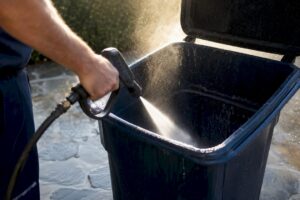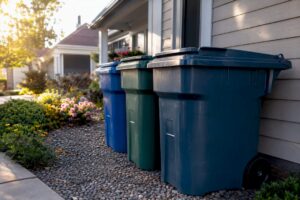
The most common outdoor contamination on residential and commercial properties falls into eight categories: organic residue, grease films, bacterial biofilms, mold and mildew, algae, standing liquids, pollen and leaf debris, and lingering odors. These show up in predictable spots: bin handles, lids, rim channels, dumpster pads, driveways, and shaded siding near tree cover. Call a professional the moment you notice a persistent smell, a slick or slimy film that won’t rinse away, dark staining that keeps coming back, pooled liquid, or signs of pests. Trash bins and dumpster areas routinely harbor bacteria like E. coli, Salmonella, and Listeria, which is exactly why a garden hose rarely solves the problem.
- Organic residue and food waste
- Grease and oil films
- Biofilms (bacterial slime layers)
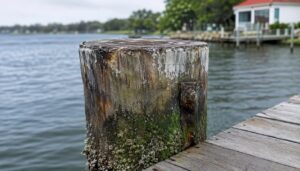
- Mold, mildew, and fungal growth
- Algae and cyanobacteria
- Standing liquids and pooled organics
- Pollen, leaf debris, and plant matter
- Odors and volatile compounds
Pro Tip: If you can smell a problem before you can see it, the contamination is already past the surface stage. Odor almost always means active bacterial or fungal growth, not just leftover mess.
Key Takeaways
Lasting contamination control requires disrupting the bacterial biofilm at its source, not just rinsing the surface, and matching cleaning frequency to actual waste volume and moisture exposure.
| Point | Details |
|---|---|
| Eight contamination types | Organic residue, grease, biofilms, mold, algae, standing liquids, plant debris, and odors all require different responses. |
| Rinsing alone fails | Biofilm’s EPS matrix protects bacteria from water and regrows within hours of a surface-only rinse. |
| Watch for the warning signs | Persistent odor, visible slime, recurring stains, or standing liquid mean it’s time to call a professional. |
| Frequency depends on use | Commercial sites need weekly or biweekly service; most homes do fine on a quarterly schedule. |
| Abcbins uses the two-step method | Sanitizer breaks down biofilm, controlled washing removes it, and all wastewater is captured on board rather than released outdoors. |
This article is general information, not a substitute for advice from a qualified doctor. Consult a qualified healthcare professional about your own circumstances before acting on anything here.
Table of Contents
- Types of Outdoor Contamination and Where They Show Up
- How Outdoor Contamination Forms in the First Place
- Why Ignoring Contamination Gets Expensive
- When to Call a Professional (and What They Actually Do)
- Prevention Steps That Keep Contamination From Coming Back
- What Most Advice Gets Wrong About Contamination Control
- Get Ahead of Contamination With Abcbins
- Sources
Types of Outdoor Contamination and Where They Show Up
Learning to identify contamination by sight and smell saves you money, because you’ll know when a quick rinse works and when you need a real intervention. Here’s what actually shows up on bins, pads, and pavement, and where it likes to hide.
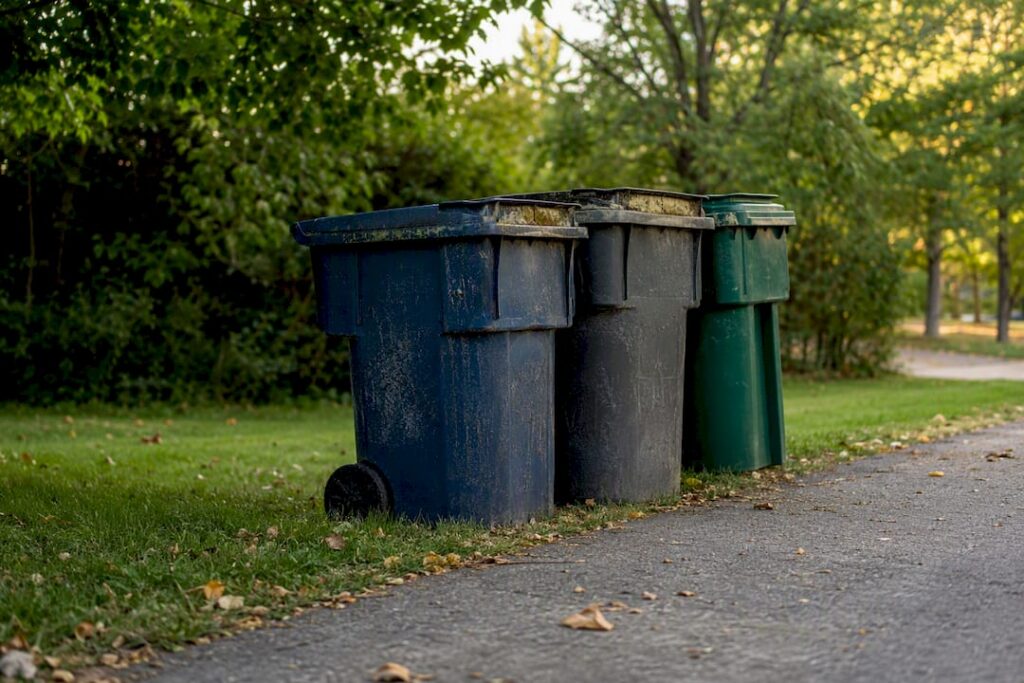
- Organic residue and food waste. This is the sticky, rotten-smelling buildup from spoiled food, grease drips, and dairy. It collects at the bottom of trash bins and in rim channels, the recessed groove around the lid that most homeowners never think to check. It’s also the number one thing that draws flies and rodents to a property.
- Grease and oil films. Dark, slick stains that resist plain water. You’ll find them inside bins, on dumpster pads, and on driveways under vehicles or near cooking-oil disposal points. Grease binds to concrete pores and gets worse with every hot day that follows.
- Biofilms and bacterial films. A slimy layer that’s often invisible until it causes an odor or a stain. Biofilms build up fastest on high-touch surfaces like lids, handles, and rim channels, which makes sense given that bin surface microbiomes tend to trace back to skin contact, food waste, and soil.
- Mold, mildew, and fungal growth. Black, green, or brown patches on siding, bin lids, or concrete, almost always in a shaded, damp spot that doesn’t get much sun.
- Algae and cyanobacteria. Slippery green growth on shaded concrete, walkway edges, and anywhere close to dense landscaping or trees.
- Standing liquids and pooled organics. Visible puddles on dumpster pads or collecting in bin corners. This is the single biggest driver of pest activity on a property.
- Leaf and pollen debris. Seasonal buildup that seems harmless but actually feeds the microbes behind steps 1 through 5.
- Odors and VOCs. A rotten-egg smell usually signals anaerobic decomposition. A sharp, acrid smell points to grease breakdown. A musty smell means mold. Learning to tell these apart helps you describe the problem accurately when you call for service.
How Outdoor Contamination Forms in the First Place
Moisture, shade, and a steady supply of organic material are the three ingredients that turn a clean surface into a contaminated one. Properties near wooded lots or heavy tree cover deal with this more than open, sunny lots do, simply because shade keeps surfaces wet longer and trees drop a constant stream of organic debris.
Surface material matters more than most people realize. Porous, rough surfaces like unsealed concrete, mortar joints, and untreated wood give bacteria and fungi far more places to grab hold than a smooth, sealed surface does. Once biofilm forms, it produces a protective layer called an EPS matrix, an extracellular polysaccharide substance that shields microbes from water and mild soap. That’s the real reason a garden hose or bucket of soapy water rarely fixes the problem: you’re rinsing the top of the film while the organisms underneath stay put and start rebuilding within hours. Clogged drains and blocked rim channels make it worse, letting liquid pool instead of draining away, which keeps the whole cycle going.
Black or green discoloration on siding or pavement is rarely just cosmetic. It usually signals moisture that’s been sitting long enough to trap itself in place, and that trapped moisture is what eventually breaks down sealant and mortar.
Concrete dumpster pads crack and stain under prolonged biofilm exposure. Painted siding blisters and peels. Plastic bins hold onto odor at a molecular level even after the visible grime is gone, which is why a rinse-only approach on a bin almost never solves a smell problem for good.
Why Ignoring Contamination Gets Expensive
Pathogens don’t stay put once they’re established. Contact with a contaminated lid or handle is enough to transfer bacteria to hands, and from there to anything those hands touch. Trash bins commonly carry E. coli, Salmonella, and Listeria in organic residue, and a review of solid waste sites found bacteria present in 71% of the studies examined. That’s not a fringe risk. That’s the baseline condition of an uncleaned dumpster pad.
- Standing liquid and food waste attract rodents, flies, and mosquitoes, and solid waste accumulation is linked to higher rates of vector-borne and zoonotic disease in areas where it’s left unmanaged.
- Biofilm acids and polysaccharides eat away at masonry, concrete, and painted coatings over time, accelerating cracking and sealant failure.
- For commercial properties, a smelly dumpster pad or grimy bin area generates tenant complaints, drives away customers, and can raise questions about whether walkways and loading areas meet basic sanitary and safety standards.
None of this happens overnight. It happens gradually, which is exactly why it’s easy to underestimate until the smell reaches the front door.
When to Call a Professional (and What They Actually Do)
Hire a professional the moment you see persistent odor, visible slime or biofilm, recurring stains that return within days of cleaning, standing liquid that won’t drain, pest activity, or if the surface itself (old brick, aging sealant) is too fragile for a DIY approach. Waiting past that point usually means the contamination has moved from surface-level to embedded.
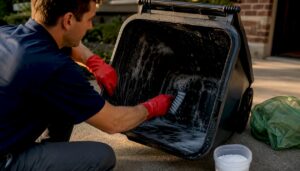
A real professional job isn’t a stronger version of a garden hose. High-pressure water alone often just displaces biofilm rather than removing it, which is why the effective approach is a two-step process: a targeted sanitizer breaks down the EPS matrix and kills the organisms living inside it, then a controlled wash or soft-wash removes the loosened residue completely. Drains get cleared, odors get neutralized at the source instead of masked, and the wastewater gets captured rather than left to run off into your yard or storm drains.
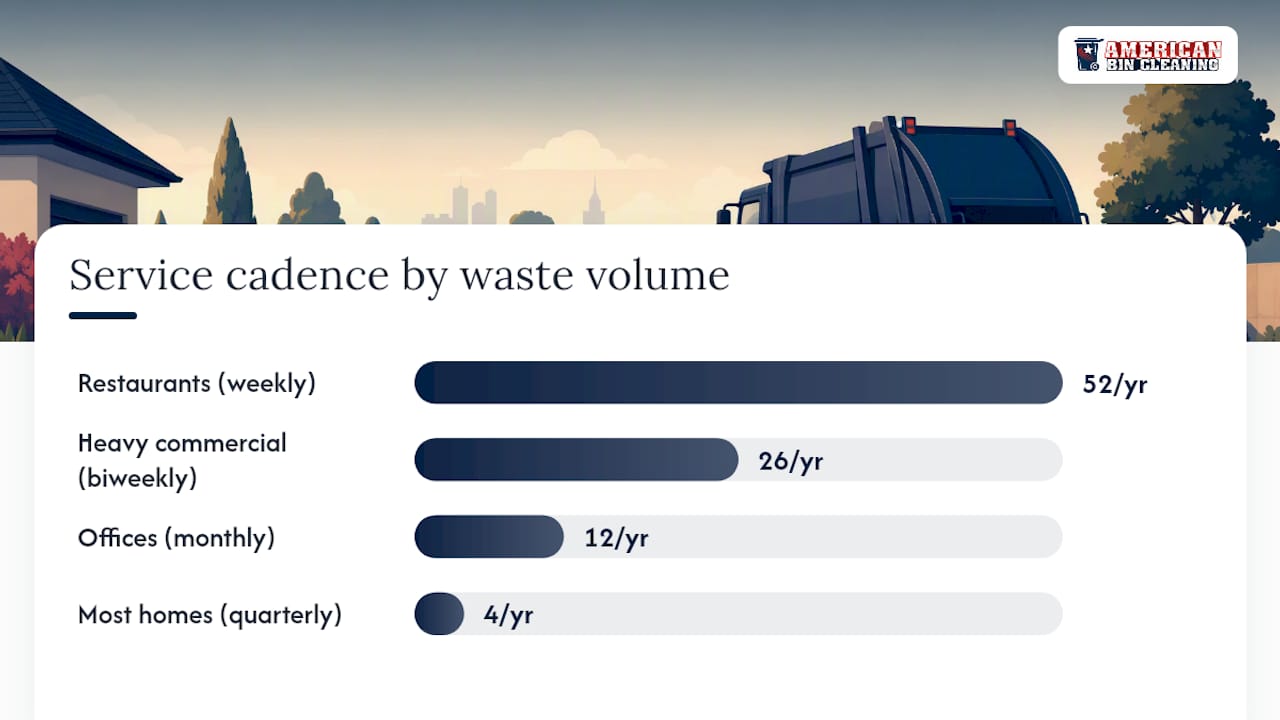
- Weekly service fits restaurants and other high-volume commercial waste generators.
- Biweekly service suits heavy-commercial properties like multi-tenant dumpster pads.
- Monthly service is the general guideline for offices, matching CDC recommendations tied to waste volume.
- Quarterly or seasonal service covers most residential bins depending on household size and usage.
Jim, who runs Abcbins, has watched this pattern play out across four decades: American Bin Cleaning has been family-owned since 1989, and the eco-friendly, high-pressure process it uses is built specifically around that two-step method, killing 99.99% of bacteria while capturing every drop of wastewater on board instead of letting it run off the pad.
| Point | Details |
|---|---|
| Match cadence to volume | Restaurants need weekly service, offices monthly, most homes quarterly or seasonal. |
| Rinsing isn’t enough | Biofilm’s protective EPS layer survives a hose rinse and regrows within hours. |
| Watch high-touch spots | Handles, lids, and rim channels carry the highest cross-contamination risk. |
| Wastewater matters | Abcbins captures all wastewater on board instead of letting it run into the yard or storm drains. |
Prevention Steps That Keep Contamination From Coming Back
A little routine maintenance between professional visits stretches the life of every cleaning appointment. None of this replaces a real sanitizing service, but it slows the buildup considerably.
- Keep lids closed and use liners to cut down on residue reaching the bin surface directly.
- Clear leaves and debris off bin tops and dumpster pads weekly, especially during fall.
- Rinse visible spills promptly where it’s safe to do so, without scrubbing hard enough to damage a sealed surface.
- Clear drains and rim channels monthly so liquid doesn’t pool and start the odor cycle over again.
- Trim back vegetation near dumpster pads and shaded siding. More sunlight and airflow means less moisture retention, which is the single biggest factor in biological staining on exterior surfaces.
- Inspect sealants and mortar joints each season for early cracking before biofilm gets a foothold.
Pro Tip: Skip the harsh chemical sprays near landscaping. They can kill the plants you’re trying to protect and still won’t touch biofilm that’s already established below the surface. Avoid full-pressure blasting on older or fragile surfaces, and if standing water keeps returning no matter how often you clear it, that’s a drainage issue worth a proper diagnosis rather than a repeated rinse.
What Most Advice Gets Wrong About Contamination Control
Most cleaning advice treats contamination like a cosmetic problem: scrub it, rinse it, move on. That’s backwards. The research on biofilm behavior makes clear that what you’re fighting isn’t dirt, it’s a living colony that protects itself chemically. Treating it like surface grime is why so many homeowners feel like they’re cleaning the same bin every single week.
The bigger blind spot is timing. People wait for a smell to show up before they act, but by the time odor is noticeable, the biofilm has usually had days or weeks to establish itself. Prevention steps like trimming vegetation and clearing drains matter more than most people give them credit for, precisely because they slow that establishment period down.
If I had to pick one priority for readers, it’s this: stop judging bin and pad cleanliness by smell alone. Smell is a lagging indicator. Check handles, lids, and rim channels visually on a regular basis, and treat a slick film as a warning sign long before it starts stinking.
— Jim
Get Ahead of Contamination With Abcbins
You don’t have to inspect rim channels every weekend or guess whether that dark stain on your dumpster pad is grease or biofilm. Abcbins built its entire service around the two-step method this article describes: a targeted sanitizer to break down biofilm at the source, followed by a controlled wash, with every drop of wastewater captured on board instead of running off into your yard.
Whether you’re managing a commercial dumpster pad that needs biweekly attention or a residential bin that’s due for its seasonal reset, Abcbins offers service plans that match your actual usage: monthly, bi-monthly, quarterly, or on-demand. You don’t need to be home. Homeowners in Barrington can book curbside bin cleaning directly, and the same eco-friendly process extends to driveways, dumpster pads, and siding through Abcbins’s pressure washing services. Check availability for your address and get a plan started before the next buildup cycle sets in.