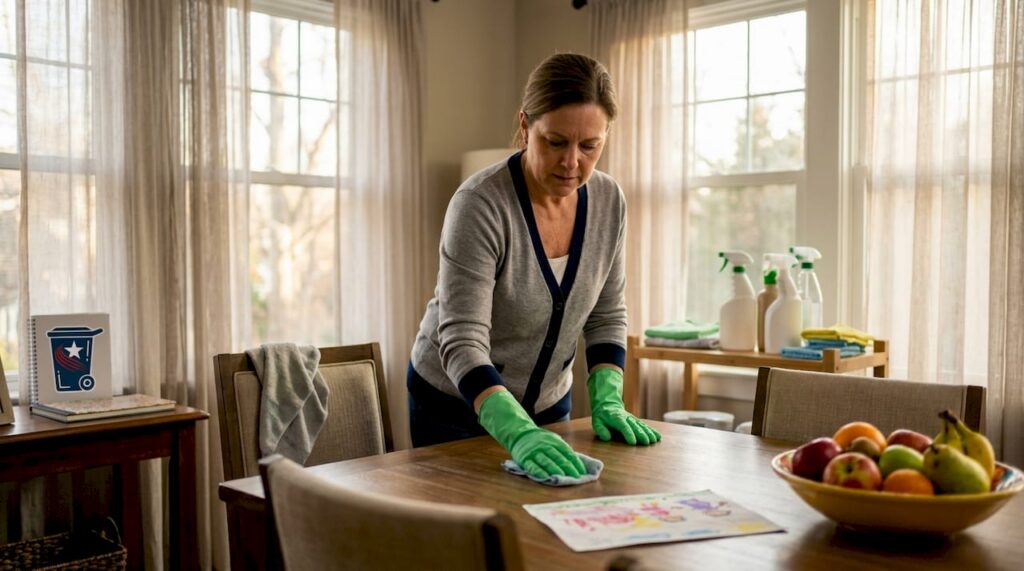
Eco-friendly cleaning services are professional providers that use certified non-toxic, biodegradable products and sustainable practices to keep your home safe and healthy. The term “green cleaning” is the recognized industry standard for this category, and it covers far more than swapping out one spray bottle for another. The best examples of eco-friendly cleaning services combine plant-based chemistry, trained staff, and responsible operational methods to deliver results without toxic residues. For families with children, pets, or anyone with allergies, the difference between a truly green service and a conventional one shows up in air quality, surface safety, and long-term health outcomes.
What makes a real example of eco-friendly cleaning services?
Not every service that calls itself “green” actually qualifies. The clearest way to identify a genuine provider is to look for third-party verification. Green Seal and EPA Safer Choice certifications require rigorous ingredient testing and full transparency, which cuts through vague marketing claims. These labels mean an independent body has reviewed the product, not just the company’s own marketing team.
Beyond certifications, a credible eco-conscious cleaning service will share its product list on request. Transparency through Safety Data Sheets (SDS) is a key trust signal. If a company cannot name its active ingredients, that is a strong sign of greenwashing.
Here are the core criteria that separate genuine providers from imposters:
- Certified products: Green Seal, EPA Safer Choice, or equivalent third-party labels on all cleaning agents
- Full ingredient disclosure: Written product lists and SDS available before the first visit
- Low or zero VOC formulations: No synthetic fragrances, chlorine bleach, ammonia, or phthalates
- Staff training: Documented protocols for dilution, contact time, and cross-contamination prevention
- Sustainable operations: Refillable concentrate systems, microfiber cloths, and HEPA vacuums
Pro Tip: Ask any prospective service to email you its SDS documents before booking. A company that hesitates is telling you something important.
Common ingredients found in eco-friendly cleaning products
The chemistry behind green cleaning is more effective than most people expect. Plant-based surfactants and enzymes tackle tough grime as effectively as harsh chemicals, without leaving toxic residues behind. This dispels the persistent myth that green products clean less thoroughly.
Families increasingly choose services that use formulations built around ingredients like castile soap, baking soda, citric acid, and hydrogen peroxide. Non-toxic, pH-balanced formulas protect both surfaces and the people who touch them daily. These ingredients break down safely in water systems and do not accumulate in soil or tissue.
The chemicals that green services avoid are just as telling as the ones they use:
- Chlorine bleach: Releases chlorine gas when mixed with other common cleaners; linked to respiratory irritation
- Ammonia: A high-VOC compound that aggravates asthma and eye sensitivity
- Phthalates: Found in synthetic fragrances; classified as endocrine disruptors
- Quaternary ammonium compounds (“quats”): Common in conventional disinfectants; associated with skin sensitization
One important nuance: “eco-friendly” does not automatically mean “disinfecting.” Services needing antimicrobial action must verify specific product claims and usage protocols, such as required contact time on surfaces. Hydrogen peroxide-based products and thymol (derived from thyme oil) are two examples that carry EPA-registered disinfectant claims while remaining biodegradable.
Pro Tip: If you need true disinfection, ask the service specifically which products carry an EPA registration number. That number is publicly searchable and confirms the antimicrobial claim is real.
Operational practices and technology used by green cleaning services
The products are only half the story. A complete eco-friendly cleaning system integrates smart water use, waste reduction, and trained staff alongside non-toxic chemistry. The operational side is where many self-described “green” services fall short.
HEPA vacuums and microfiber systems are as critical as the liquid cleaners themselves. HEPA filtration captures particles down to 0.3 microns, including dust mite debris, mold spores, and pet dander, rather than recirculating them into the air. Microfiber cloths trap and hold soil mechanically, reducing the volume of cleaning solution needed per surface.
| Practice | Conventional approach | Eco-friendly approach |
|---|---|---|
| Vacuuming | Standard filter, recirculates fine particles | HEPA filtration, captures allergens |
| Surface wiping | Single-use paper towels with chemical spray | Reusable microfiber cloths, minimal solution |
| Product packaging | Single-use plastic bottles | Refillable concentrate systems |
| Wastewater | Discharged to drain without capture | Captured or treated before disposal |
| Staff training | Basic product orientation | Documented dilution, contact time, and safety protocols |
Refillable packaging and correct dilution maintain cleaning performance while cutting plastic waste and chemical overuse. Dilution control also matters for safety: an over-concentrated product, even a plant-based one, can irritate skin or damage surfaces.
Situational examples and service plan options for different family needs
Green cleaning services adapt their approach based on who lives in the home. A household with a newborn has different needs than one with a teenager and two dogs. The best providers offer plan structures that reflect this reality.
Fragrance-free plans are the most requested option among families with chemical sensitivities or infants. Low-VOC and zero-VOC products reduce respiratory irritation in sensitive individuals, and removing synthetic fragrance is the single fastest way to improve indoor air quality after switching to a green service.
Allergy-focused deep cleans combine HEPA vacuuming, microfiber dusting, and unscented antimicrobial products to address dust mites, mold, and pet dander simultaneously. These are common as one-time services before a new baby arrives or after a renovation.
Routine maintenance plans work on a monthly, bi-monthly, or quarterly schedule. Eco-friendly cleaning service plan examples in this category typically include surface cleaning, floor care, and bathroom sanitation using certified products on every visit. Consistency matters here: a single green clean followed by conventional products the next month undermines the health benefit.
HOA and multi-unit property plans represent a growing segment. Eco-friendly cleaning service HOA examples include common-area maintenance programs where the HOA specifies certified products and requires SDS documentation from any contracted provider. This protects residents who share ventilation systems and common spaces.
Pet-safe cleaning plans use enzyme-based formulations to neutralize odors at the molecular level rather than masking them with fragrance. Enzymes break down the proteins in pet waste, which is why they outperform conventional deodorizers on stubborn stains.
Booking a trial clean lets families verify fragrance-free products and thorough methods before committing to a plan. One visit tells you more than any marketing brochure.
Key Takeaways
The most effective eco-friendly cleaning services combine third-party certified products, trained staff, and responsible operational practices to protect both family health and the environment.
| Point | Details |
|---|---|
| Certifications matter most | Require Green Seal or EPA Safer Choice labels to confirm products are genuinely non-toxic. |
| Demand SDS transparency | Any service that cannot provide Safety Data Sheets is likely greenwashing. |
| Tools are as important as products | HEPA vacuums and microfiber cloths reduce indoor allergens beyond what chemistry alone achieves. |
| Match the plan to your household | Fragrance-free, allergy-focused, and pet-safe plans each serve distinct family needs. |
| Trial cleans reveal the truth | One visit confirms scent neutrality and cleaning effectiveness before you commit. |
What I’ve learned from watching green cleaning services up close
I’ve spent years watching how families interact with cleaning services, and the pattern I see most often is this: people choose a green service based on the website, then feel vaguely disappointed after the first visit without knowing why. The reason is almost always one of two things. Either the products smelled strongly of artificial “natural” fragrance (lavender and citrus are the most common offenders), or the crew skipped the HEPA vacuum and used a standard upright instead.
The fragrance issue is the one that surprises people most. A product can be plant-derived and still contain synthetic fragrance compounds that trigger the same reactions as conventional cleaners. If a service cannot tell you whether its products are fragrance-free versus simply “naturally scented,” that distinction matters enormously for anyone with asthma or a newborn at home.
My practical advice: ask for the SDS before the first visit, request a fragrance-free option explicitly, and watch whether the crew uses microfiber cloths or paper towels. Those three observations tell you more than any certification badge on a website. The eco-friendly cleaning methods that actually work are boring to describe but consistent in practice. Consistency is the whole point.
Cost is the other objection I hear constantly. Green services often run slightly higher than conventional ones. The honest answer is that the premium reflects real costs: certified products cost more to formulate, microfiber systems require laundering and replacement, and proper staff training takes time. For a family with a child who has asthma, that premium is not a luxury. It is a medical decision.
— Jim
Abcbins brings eco-friendly standards to bin cleaning
Eco-friendly property maintenance extends beyond your floors and countertops. Trash bins are one of the most bacteria-dense surfaces on any residential property, and they are almost always cleaned with whatever is available rather than a certified product.
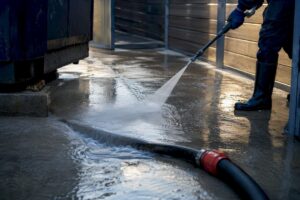
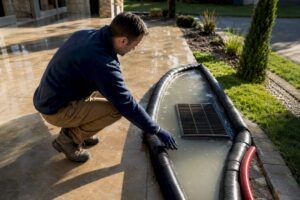
Abcbins has provided professional bin cleaning in Barrington, IL and throughout Chicagoland since 1989, using a high-pressure process that kills 99.99% of bacteria while capturing all wastewater in an on-board recycling system. Nothing runs off into the street or storm drains. Service plans run monthly, bi-monthly, quarterly, or on-demand, and you do not need to be home for the crew to complete the job. For families who have already committed to green cleaning indoors, professional bin sanitation is the logical next step for a fully maintained, healthy property.
FAQ
What does an eco-friendly cleaning service actually use?
Eco-friendly cleaning services use plant-based surfactants, enzymes, castile soap, citric acid, baking soda, and hydrogen peroxide as their primary cleaning agents. Certified providers hold Green Seal or EPA Safer Choice labels and avoid chlorine bleach, ammonia, and synthetic fragrances.
How do I know if a green cleaning service is genuine?
Request Safety Data Sheets and a written product list before booking. Companies that cannot provide SDS documents are likely engaging in greenwashing rather than using truly certified products.
Are eco-friendly products as effective as conventional cleaners?
Yes. Plant-based surfactants and enzymes clean tough grime as effectively as harsh chemicals without leaving toxic residues. The key is correct dilution and appropriate contact time, which trained staff manage through documented protocols.
What is a fragrance-free cleaning plan?
A fragrance-free plan uses certified products with no added scent compounds, synthetic or natural. These plans are standard for households with infants, asthma sufferers, or residents with chemical sensitivities, and they represent the clearest path to improved indoor air quality.
Do eco-friendly cleaning services cost more?
Green services typically cost slightly more than conventional ones because certified products, microfiber systems, and staff training carry real costs. For families managing allergies or respiratory conditions, the health benefit justifies the difference.