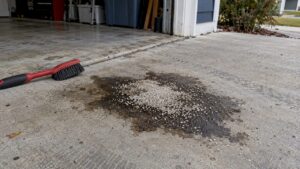
The best time to pressure wash a house is spring and fall, on a dry day above 40°F with no freeze in the forecast. In northern Illinois and southern Wisconsin, that usually means a window from late April into early June and another from September into October. Summer works for touch-ups. Winter is the season to leave alone unless a surface is a safety problem.
The right month is only half the answer. The right day, the right order of surfaces and the right timing around a home sale matter just as much. Here is how to plan it.
TL;DR
- Best seasons: spring (to clear winter grime) and fall (to clear summer algae and mold). Many homeowners wash twice a year, per HGTV.
- Best day: above 40°F, dry, mild and not in blazing sun. Never wash if a freeze is forecast.
- Selling a house: wash two to four weeks before photos and the first showing, so the exterior looks its best when buyers first see it.
- Winter: avoid washing siding and walkways in freezing weather. Ice is a hazard and equipment can be damaged.
Table of Contents
- Why spring and fall win
- The weather rules for a good wash day
- What about winter?
- How often should you wash?
- Best time to pressure wash before selling your house
- Curb appeal beyond the siding
- Know your siding before you pick a day
- How long does it take?
- Do it yourself or hire a pro?
- Book your wash and keep the curb clean
- FAQ
- Sources
Why spring and fall win
Pressure washing removes what the seasons leave behind, so the best timing follows the buildup. Winter leaves road salt splash, mud, grime and dull film on siding, the driveway and the front walk. Summer’s heat and humidity feed algae, mildew and mold, especially on shaded north-facing walls, under eaves and on decks.
HGTV’s guidance is that most people do best washing in spring and fall because of the mild temperatures: spring to remove winter grime, fall to remove the algae and mold that grew over the summer. Mild weather also helps in practical ways:
- Cleaning solutions stay wet long enough to work instead of drying on the surface.
- Siding dries within hours, so you are not left with damp surfaces for days.
- Crews and homeowners can work comfortably, and nothing freezes in the hose, pump or gutters.
Bob Vila’s step-by-step guide gives the same advice: choose a mild spring or fall day and avoid strong summer sun, which can dry a cleaning agent before you rinse it off. Streaks and spotting are the usual result.
Spring: the deep clean
Spring is the most popular time for a reason. After a Midwest winter, the whole exterior carries a layer of grime. Washing then resets the house before patio season, graduation parties and the spring real estate market.
In Chicagoland, wait until nights are reliably above freezing. A warm Saturday in March can be followed by a hard frost on Monday. Late April through May is the safest bet in most of Lake and McHenry counties and across the border in Walworth County, Wisconsin. Lakefront towns can run a bit cooler, so give them an extra week.
Spring is also a good time to wash before you paint, stain or seal. Surfaces need time to dry fully first, and the weather is more forgiving than in July.
Summer: touch-ups, not the main event
Summer is fine for targeted jobs: a mildewed shaded wall, a patio before a graduation party, a driveway oil stain. The trade-offs are heat and sun. Wash in the early morning or on an overcast day, work in small sections, and rinse promptly so product does not dry on the surface.
Summer is also when algae grows fastest, so a spring wash does not stay fresh forever. If you notice green film by August, spot-treat it now rather than waiting for fall.
Fall: clear the algae and get ready for winter
Fall is the underrated season. Washing in September or October removes the summer’s algae and mold before it sits through months of cold, and it cleans the driveway, walks and steps before salt and snow arrive. It also puts the house in good shape for Thanksgiving and holiday guests.

Finish before the first hard freeze. Once overnight lows stay near or below 32°F, hold off until spring.
The weather rules for a good wash day
Pick the day as carefully as the season. Use this checklist:
| Condition | Target | Why it matters |
|---|---|---|
| Air temperature | Above 40°F, ideally 50°F or warmer | Cleaners work properly and water does not freeze on surfaces |
| Overnight low | Above freezing | Water left in cracks and on steps can turn to ice |
| Sky | Dry, overcast or mild sun | Direct sun dries detergent too fast |
| Wind | Light | Gusts push spray and cleaner onto windows, cars and neighbors |
| Next 24 hours | No rain forecast, if you are sealing or staining | Surfaces need to dry |
HGTV recommends washing above 40°F with a dry, sunny forecast and never washing when temperatures are at or forecast to drop below freezing, because freeze-thaw cycles can damage surfaces and the machine. The equipment side agrees. STIHL’s owner’s manual says not to operate a pressure washer below 32°F (0°C), since freezing can crack the pump or damage the hose or spray gun.
This is why the Midwest has a shorter safe window than many readers expect. A “nice” 45°F day in November that drops to 28°F overnight is not a good wash day, even though it feels fine at noon.

What about winter?
If you want the longer answer for cold months, we cover it in our guide to winter pressure washing for owners and managers. The short version: siding and decks are best left until the thaw. Washing a walkway or entry in freezing weather can leave a sheet of ice right where people walk. If you are hiring out the work, a reputable pro will reschedule rather than risk it.
How often should you wash?
For most houses, twice a year (spring and fall) is a solid rhythm, and that is the pattern HGTV describes. Some surfaces need less, some more:
- Siding: once a year is often enough for a clean, sunny lot. Shaded, tree-covered or lakefront lots tend to grow algae faster.
- Driveways, walks and patios: spring and fall, with salt residue in mind.
- Decks: once a year, plus a check before the season you use it most.
- Gutters fronts, fascia and trim: with the siding.
We break this down further in our pressure washing schedule by surface, which is worth a look if you are planning a full year.
Best time to pressure wash before selling your house
If you are listing, the calendar changes. The goal is for the exterior to be at its best the first time a buyer sees it, which in practice means listing photos and the first online impressions.
A good order of operations:
- Four to six weeks out: decide what needs cleaning. Walk the property from the street and look for dark streaks on siding, a stained driveway, a gray deck, a mossy front walk.
- Two to four weeks before photos: pressure wash siding, driveway, walks, patio and deck. This leaves time for surfaces to dry fully and for any touch-up.
- Photo day: do a quick walk-around. Rinse off any pollen or fresh mud, and clean the garbage bins and the area where they sit.
- During showings: keep it fresh. A light rinse before a weekend open house is cheap insurance.
Why bother? The National Association of Realtors notes that exterior upkeep is a signal to buyers that the whole property is well maintained. Its curb appeal guide cites a study in The Journal of Real Estate Finance and Economics that found strong curb appeal can raise a home’s perceived value by as much as 7%. The same article points out that a quick pass with a pressure washer can make a deck, driveway or patio look brand new.
That 7% is a perceived value figure from one study, not a promise of what your house will sell for. But the logic holds: dirty siding and a streaked driveway make buyers wonder what else has been neglected.
If you list in winter, clean what you can safely in the last mild fall window and then keep walks clear and salt-free. Early spring listings are the sweet spot for a late April wash.
Curb appeal beyond the siding
Buyers and guests form an impression in seconds, and the things people see first are not only the walls. A few places that make a quick difference:
- Driveway and front walk: the biggest flat surfaces in view.
- Front steps and porch: where mildew and cobwebs gather.
- Garage door and trim: dust and spider webs dull them quickly.
- Deck or patio: often the first place buyers imagine themselves.
- Garbage and recycling bins: easy to overlook, hard to ignore at the curb. Our piece on keeping garbage bins clean for better curb appeal explains why.
Know your siding before you pick a day
Timing does not matter if the pressure is wrong. Different materials tolerate very different force:
- Vinyl siding: use low pressure and never spray upward under the laps. Water forced behind siding can cause trouble and may affect your warranty. Read our guide on pressure washing vinyl siding without voiding the warranty.
- Stucco: it needs gentle handling, which we cover in our stucco pressure washing guide.
- Wood decks: often cleaned first and then sanded or sealed only if needed. See clean first or sand.
- Older homes: the STIHL manual warns never to spray surfaces containing asbestos or lead paint. If your house was built before the late 1970s and the paint is peeling, have it tested by a qualified professional before anyone washes it.
If you do it yourself, our step-by-step guide to pressure washing a home exterior walks through the safe sequence.
How long does it take?
Most one- and two-story houses are a half-day job. Online guides put a typical home at around two to four hours of actual washing, but your time depends on the square footage, how much algae is on the walls, how many outbuildings, decks and walkways you include, and whether you are running a consumer machine. Setup, covering plants and moving furniture add time. Plan on the whole day for a first wash with a lot of buildup.
This is also where hiring out saves a day. Professional crews bring commercial equipment, and they come with a routine for plants, windows and runoff. Our home pressure washing service checklist shows what to ask before you book.
Do it yourself or hire a pro?
DIY is realistic for a driveway or a small patio. It is harder on tall siding, second stories and delicate materials, where a ladder, a wrong tip or too much pressure can cost more than the service would have. Readers also tend to underestimate prep: moving furniture, covering outlets and shrubs, running water and mixing detergents.
There is also the matter of spray. A risk assessment is sensible when you are working with mist and cleaning products, and respiratory protection suits some jobs. Wear eye protection, closed-toe shoes and stay off ladders when the machine is running. Our overview of the benefits of professional pressure washing covers what a pro adds.
Our perspective
After more than 35 years serving Chicagoland families since 1989, we have watched the same pattern every year. The first warm weekend in April, everyone looks at the house and decides it is time. By the following week, everyone is calling. Then the fall rush hits in late September.
Our advice is to go slightly earlier than the crowd. Book your spring wash for when the nights are reliably above freezing, and book your fall wash before the first hard frost. You get a better choice of days, and the house is clean for the season when you will actually see it.
We also want you to think of the whole property, not only the siding. A clean house with grimy garbage cans at the curb undercuts the whole picture. That is why we handle both: eco-friendly, high-pressure cleaning that is designed to capture and recycle wastewater through our on-board system, so nothing is dumped and nothing runs off into your yard or the storm drain.
You do not need to be home. We take care of it while you are at work or away.
Bill
Book your wash and keep the curb clean
If you would rather not spend a Saturday on a ladder, we offer residential pressure washing for driveways, homes and decks across Chicagoland and southern Wisconsin, with no need for you to be home. Request a quote to get a date in your best weather window.
We also keep the curb side of your property fresh with curbside bin cleaning plans: Monthly at $35 per 4 weeks, Quarterly at $45 per quarter, or On-Demand at $75 for a one-off cleaning. It is a simple add-on before photos, open houses or a party.
For a full overview of what we do, see our pressure washing services guide for homeowners.
FAQ
What month is best to pressure wash a house in Illinois?
May and September are the two safest bets. Both usually offer mild days and nights above freezing. April can work once the frost has passed, and October works if you finish before the first hard freeze. Check the forecast for the day you book.
Is it better to pressure wash a house in spring or fall?
Both are good, and many homeowners do both. Spring removes winter grime and salt. Fall removes the algae and mold that built up over summer and prepares the house for winter. If you can only do one, choose the season when your house looks worst.
Can you pressure wash a house in the summer?
Yes, with care. Wash early in the morning or on an overcast day so strong sun does not dry detergent on the siding before you rinse. Summer is great for spot-cleaning mildew and getting a patio ready for a party.
Should I pressure wash before listing my house?
Yes, in most cases. Wash the siding, driveway, walks and deck two to four weeks before your listing photos, then do a quick rinse before showings. Curb appeal tells buyers the home has been cared for, which is a point the National Association of Realtors makes in its curb appeal guidance.
Can I pressure wash when it is below 40°F?
It is better not to. HGTV advises washing above 40°F, and STIHL says not to operate a pressure washer below 32°F. Water that freezes on steps or walkways also becomes a slip hazard.
Sources
- How to Use a Pressure Washer, HGTV
- How to Pressure Wash a House: A Step-by-Step Guide, Bob Vila
- How to Boost Curb Appeal in Two Weekends or Less, National Association of Realtors
- STIHL RB 200 Owner’s Instruction Manual